
How To
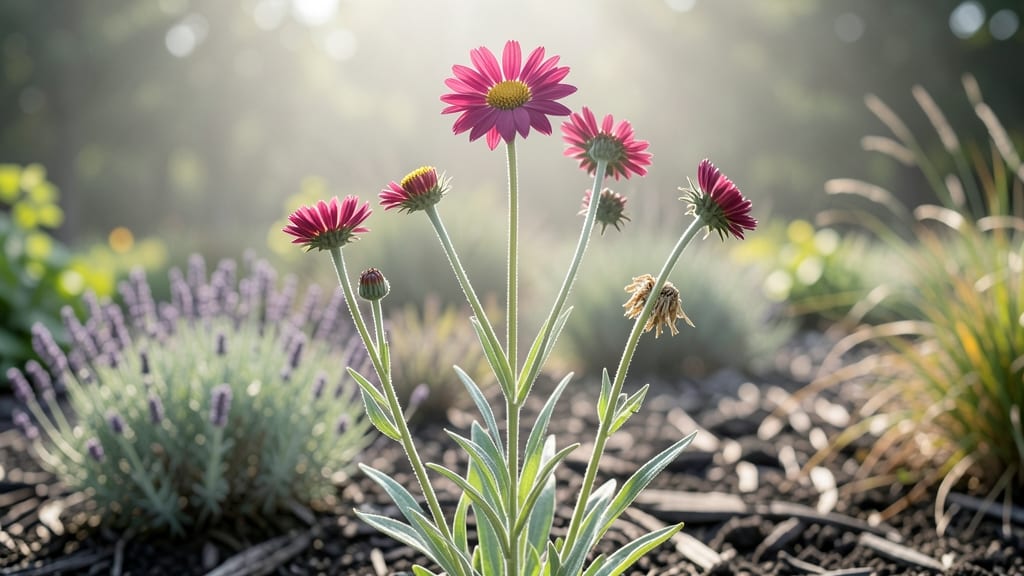
Strawflowers grow between 1 and 3 feet tall, making them a perfect mid-height addition to any garden 🌼—whether you’re filling gaps in borders or creating striking cut flower arrangements.
If you're dreaming of adding vibrant, drought-tolerant blooms but wondering how much space these cheerful flowers will need, you're not alone. Strawflowers aren’t just stunning—they’re surprisingly adaptable, ranging from delicate ground covers to bushy shrubs that stand taller than a standard desk.
Most varieties mature around 2 feet, but with the right growing conditions—like full sun and well-drained soil—some can stretch closer to 3 feet. That’s why spacing and pruning play such a big role in controlling their height and keeping them looking their best.
In this guide, you’ll discover how different strawflower types grow, how sunlight and soil affect their size, and practical tips to manage their height—whether you want them compact or reaching for the sky.


Strawflower height by variety: a complete growth chart
Strawflowers (Helichrysum bracteatum) are a gardener's dream for their vibrant colors and drought-tolerant nature, but their height can vary dramatically depending on the variety. Whether you're planning a container garden or a border planting, knowing the mature size helps you create a balanced layout.
Some varieties stay compact at just 12 inches tall, while others reach 3 feet or more, making them perfect for cut flower arrangements.
Understanding these height differences ensures you choose the right strawflower for your space. For example, dwarf varieties work beautifully in window boxes, while tall varieties can anchor the back of a flower bed.
Let’s explore the most popular strawflower varieties and their typical mature heights to help you plan your garden with confidence.
| Variety | Mature Height | Spacing | Best For |
|---|---|---|---|
| 'Moulin Rouge' | 12–18 inches | 8–12 inches apart | Containers, borders |
| 'Limelight' | 18–24 inches | 12–18 inches apart | Cut flowers, mixed beds |
| 'Golden Delight' | 24–36 inches | 18–24 inches apart | Back of borders, tall arrangements |
| 'Cherry Ripe' | 15–20 inches | 10–12 inches apart | Window boxes, cottage gardens |
| 'Xerochrysum bracteatum' | 12–18 inches | 6–10 inches apart | Rock gardens, drought areas |
| 'Helipterum roseum' | 20–30 inches | 15–20 inches apart | Wildflower meadows, pollinator gardens |
If you're comparing strawflower heights to other popular garden plants, think of 'Moulin Rouge' as similar to a small shrub like dwarf boxwood, while 'Golden Delight' rivals the height of sunflowers or black-eyed Susans.
This range makes strawflowers incredibly adaptable—whether you're filling gaps in a container garden or adding drama to a cut flower arrangement.
For container gardening, dwarf varieties like 'Moulin Rouge' or 'Cherry Ripe' thrive in pots as small as 8 inches wide. Place them near the front of your arrangement to showcase their vibrant blooms.
In contrast, taller varieties like 'Golden Delight' need larger containers (12+ inches wide) or direct garden planting to support their upright stems.
When planting strawflowers in flower beds, spacing is key to prevent overcrowding. For example, 'Limelight' needs 12–18 inches between plants, while 'Helipterum roseum' can stretch out to 20–30 inches. This spacing ensures each plant gets enough air circulation and sunlight, promoting healthier growth and longer-lasting blooms.
One of my favorite tricks for managing strawflower height is deadheading spent blooms. This simple task encourages the plant to produce more flowers and can slightly reduce legginess in taller varieties.
For cut flower arrangements, harvesting stems when buds are just beginning to open ensures they last longer in a vase, making them a low-maintenance choice for bouquets.
If you're growing strawflowers for dried flower arrangements, taller varieties like 'Golden Delight' or 'Helipterum roseum' are ideal. Their upright stems hold their shape beautifully when dried, adding texture and color to winter wreaths or centerpieces.
For a whimsical touch, mix shorter varieties like 'Moulin Rouge' with taller ones to create a layered look.
Remember, strawflower height can also be influenced by growing conditions. Plants
How growing conditions affect strawflower height: sun, soil, and pruning tips
Strawflowers (Helichrysum bracteatum) are famous for their versatile heights, but their growth isn't just luck—it's science! Whether you're aiming for compact container plants or tall border stars, understanding how sunlight, soil, and pruning influence their stature lets you shape their size perfectly.
Let's break down the key factors that determine how tall your strawflowers will grow.
First, sunlight exposure is the #1 growth regulator. Strawflowers thrive in full sun (6+ hours daily), where they can reach their maximum height of 2-3 feet. But move them to partial shade, and you'll likely see shorter, leggier growth—sometimes as little as 12-18 inches.
This is because sunlight triggers photosynthesis and flowering hormones, so less light means less energy for vertical growth.
Next, let's talk soil quality. Well-draining, nutrient-rich soil with a slightly alkaline pH (6.5-7.5) encourages robust growth. Heavy clay or overly sandy soil can stunt their height, while adding compost or aged manure can boost growth by up to 30%.
Remember, strawflowers are drought-tolerant, but consistent moisture (not soggy soil) helps them reach their full potential.
How to Control Strawflower Height
- Sunlight: Full sun (6+ hrs) = 2-3 ft tall | Partial shade = 12-18 in
- Soil: Well-draining + compost = optimal growth | Poor soil = stunted
- Watering: Deep, infrequent = taller stems | Overwatering = weak growth
- Pruning: Pinch back young plants = bushier, shorter | Let grow = taller
- Fertilizer: Balanced feed = stronger stems | None = natural height
Don't underestimate the power of pruning! If you want compact, bushy strawflowers, pinch back the tips of young plants when they're about 6 inches tall. This encourages lateral branching and keeps them shorter.
For taller, stem-focused growth, avoid pruning until after flowering. Deadheading spent blooms also promotes continuous vertical growth throughout the season.
For container gardening, choose dwarf varieties like 'Mona Lisa' (12-18 inches) or 'Little Princess' (10-12 inches). These stay perfectly proportioned for pots and window boxes. In garden beds, space standard varieties 12-18 inches apart to give them room to reach 2-3 feet without crowding.
Pro tip: If your strawflowers start leaning, it's a sign they need more sunlight or staking.
Finally, seasonal care matters. Strawflowers grow fastest in spring and summer when temperatures are mild (60-75°F). In hot climates, they may grow faster but need extra shade to prevent stress.
In cool zones, growth slows naturally, keeping them shorter unless you use grow lights or extend the season.
With these tips, you can customize strawflower height to fit your garden vision—whether you want whimsical cottage charm or dramatic vertical accents. Experiment with conditions, and soon you'll have strawflowers growing exactly how you imagined! 🌼