
How To
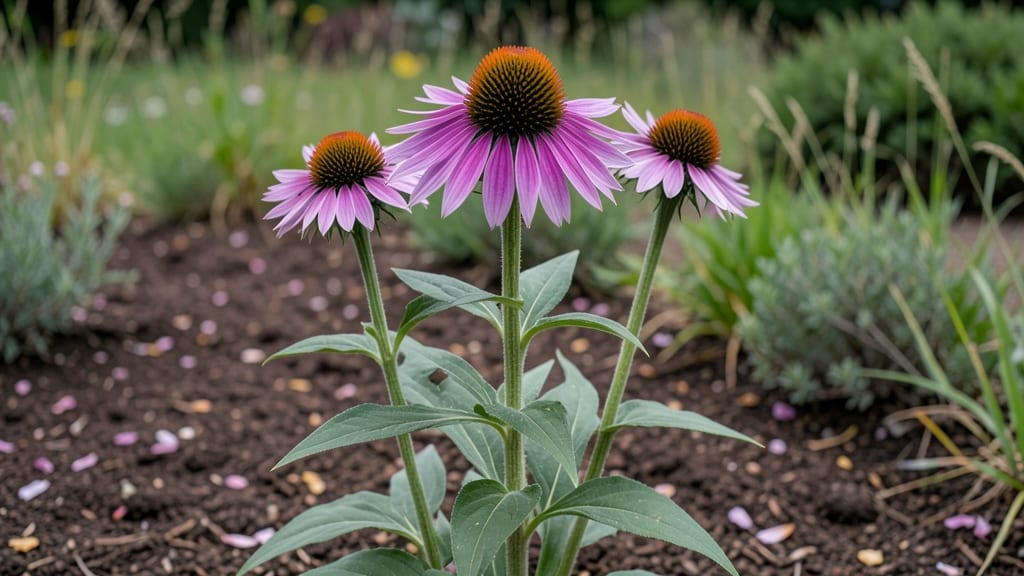
Coneflowers can grow anywhere from 1 foot to 5 feet tall, depending on the variety and how you care for them.
Wondering if your coneflowers will tower over your garden or stay compact? The height of these hardy perennials can vary dramatically—and knowing the right variety for your space is key to stunning, low-maintenance blooms.
For example, Echinacea purpurea, the most common type, typically reaches 3 to 5 feet when mature, making it perfect for the back of borders or pollinator gardens.
But if you’re working with limited space, dwarf varieties like ‘White Swan’ stay under 2 feet, ideal for containers or front-of-the-border plantings.
Below, I’ll break down how sunlight, soil, and spacing affect their growth, plus tips to control height and choose the best variety for your garden design. Ready to plan your perfect 🌼 display?


Coneflower height by variety: dwarf to giant options explained
Coneflowers are one of the most versatile perennials for full-sun gardens, offering heights ranging from compact 1-foot dwarfs to towering 5-foot giants. Choosing the right variety ensures your garden design stays balanced while attracting pollinators like bees and butterflies.
Whether you need a border plant for containers or a back-of-border statement, understanding each cultivar's mature size is essential.
The most common species, Echinacea purpurea, typically reaches 3 to 5 feet tall, but hybrids and other species like Echinacea pallida or Echinacea atrorubens offer shorter or taller options. Dwarf varieties are perfect for small spaces, while tall cultivars create dramatic focal points.
Let’s explore the full spectrum so you can pick the perfect fit for your garden.
| Variety | Mature Height | Spread | Best For |
|---|---|---|---|
| 'White Swan' (E. purpurea) | 18–24" | 12–18" | Containers, borders |
| 'Green Envy' (E. purpurea) | 20–24" | 12–16" | Cut flowers, small gardens |
| 'Magnus' (E. purpurea) | 42–54" | 24–30" | Back of border, pollinator gardens |
| 'White Lady' (E. purpurea) | 30–36" | 18–24" | Cutting gardens, cottage styles |
| 'Purple Sunset' (E. purpurea) | 36–48" | 20–24" | Wildflower meadows, tall borders |
| 'Hot Papaya' (E. purpurea) | 30–36" | 18–24" | Color contrast, pollinator magnet |
| 'Sombrero Salsa' (E. purpurea) | 24–30" | 16–20" | Containers, urban gardens |
| 'Pallida' (E. pallida) | 36–48" | 24–30" | Prairie-style plantings |
| 'Atrorubens' (E. atrorubens) | 24–36" | 18–24" | Dry gardens, native landscapes |
Dwarf coneflowers like 'White Swan' and 'Green Envy' stay under 2 feet tall, making them ideal for container gardening or front-of-border plantings. These varieties thrive in small spaces and even perform well in hanging baskets with proper support.
Their compact size also means they require less staking compared to taller types, saving you time and effort.
On the opposite end, 'Magnus' and 'Purple Sunset' can reach 4 to 5 feet, creating a dramatic vertical element in your garden. These giants work best when planted at the back of borders or in pollinator meadows where their height can be fully appreciated.
Their deep root systems also make them more drought-tolerant once established.
If you're designing a layered garden, consider pairing tall varieties like 'Magnus' with mid-height options like 'Hot Papaya' (30–36 inches) and dwarf types like 'Sombrero Salsa' (24–30 inches). This creates a natural progression that guides the eye through your space while supporting vertical interest.
For example, place 'Magnus' against a fence or trellis and tuck 'White Swan' in pots along your patio.
How to control coneflower height: pruning and spacing tips
Coneflowers are stunning pollinator magnets, but their height can become a challenge in small gardens or containers. The good news? With the right pruning techniques and spacing strategies, you can keep them tidy, encourage bushier growth, and prevent flopping stems.
Whether you're growing tall varieties like 'White Swan' or compact 'Green Envy', these tips will help you manage their size naturally.
First, let's address the most common issue: overcrowding. When coneflowers are planted too closely, they compete for nutrients and sunlight, leading to taller, leggier stems that flop over. The solution is simple—proper spacing from day one.
For most varieties, aim for 18-24 inches apart in the garden. Dwarf varieties like 'Sombrero White' only need 12-18 inches of space, while tall cultivars like 'Magnus' should have 24-36 inches between plants.
- 1. Deadhead regularly: Remove spent blooms 1-2 inches below the flower head to encourage new side shoots and bushier growth.
- 2. Prune in early spring: Cut back 1/3 of the plant's height before new growth begins to prevent legginess and promote compactness.
- 3. Use stakes for tall varieties: Insert 3-foot stakes at planting for cultivars like 'Magnus' to support floppy stems without restricting airflow.
- 4. Thin seedlings: If growing from seed, thin to 12-18 inches apart to avoid overcrowding that leads to taller, weaker stems.
- 5. Fertilize lightly: Over-fertilizing with nitrogen can promote leafy growth over flowers and increase height. Use a balanced 5-10-10 fertilizer sparingly.
- 6. Mulch properly: Apply 2-3 inches of mulch around the base to suppress weeds and retain moisture, which helps plants stay shorter and stockier.
For shorter, bushier coneflowers, focus on regular deadheading throughout the blooming season. This simple task removes spent flowers and signals the plant to redirect energy into producing new side shoots instead of tall, single stems.
I like to deadhead every 7-10 days during peak bloom (July-August) to keep my 'Green Envy' variety compact and prolific.
If your coneflowers are already too tall and leggy, don’t panic! A spring pruning can work wonders. In early spring, before new growth appears, cut the entire plant back by one-third of its height.
This aggressive pruning encourages multiple basal shoots to emerge, creating a fuller, shorter plant by summer. Just be sure to wear gloves—coneflower stems are prickly!
Another pro tip: Staking isn’t just for support—it can also help control height. For tall varieties like 'White Swan', insert 3-foot bamboo stakes at planting time.
Gently tie the main stems to the stakes as they grow to prevent flopping and encourage a more upright, compact growth habit. Avoid over-tightening the ties, though, to prevent stem girdling.
Finally, remember that soil and sunlight play a huge role in coneflower height. Plant in well-draining soil with full sun (6+ hours daily) to promote stockier, shorter growth. If your plants are still stretching too tall, they might be shade-stressed or overcrowded.
Adjust their location or thin them out for better results. With these techniques, your coneflowers will stay neat, healthy, and perfectly sized for your garden! 🌼