
Flowers
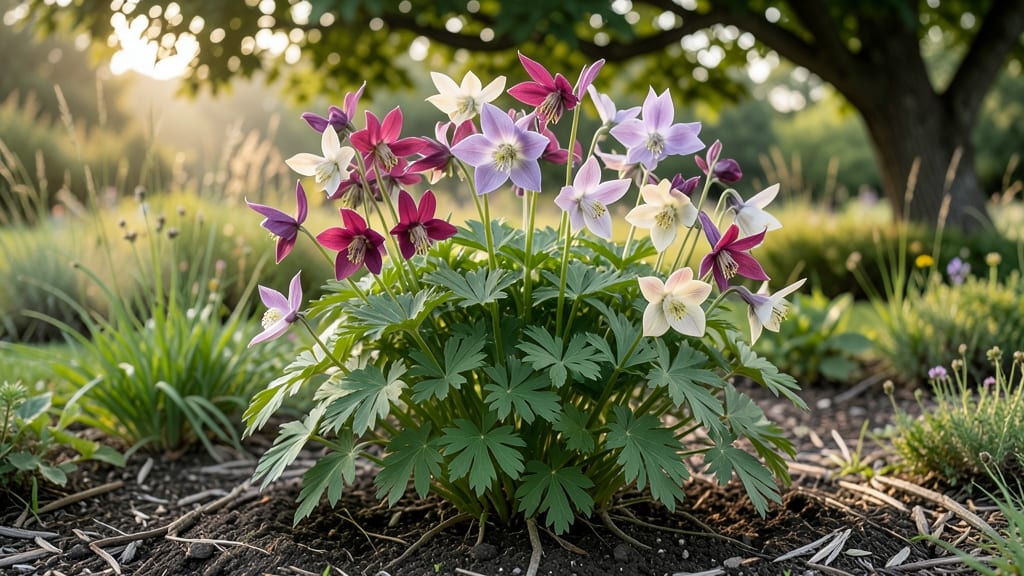
Columbine flowers grow between 1 and 3 feet tall, depending on the variety and growing conditions—making them a versatile choice for borders, containers, or cottage gardens.
If you’re dreaming of adding vibrant, hummingbird-attracting 🌸 columbine to your garden, knowing their mature height is key to planning your landscape—some varieties stretch gracefully toward the sky while others stay compact and charming.
For example, dwarf types like Aquilegia canadensis typically max out at 12 to 18 inches, perfect for window boxes, while taller varieties such as Aquilegia vulgaris can reach 2 to 3 feet, ideal for mid-border planting.
Below, we’ll break down how sunlight, soil, and pruning can influence their height, plus the best varieties for small spaces or vertical accents to help you choose with confidence.


Columbine flower height by popular varieties: a complete size guide
Choosing columbine varieties isn’t just about color—it’s about height and growth habit. Some varieties reach skyward like delicate spires, while others stay compact, perfect for borders or containers. Understanding these differences helps you design a garden where every plant has its place.
Whether you’re creating a cottage garden or a modern container display, knowing columbine flower height ensures your layout flows beautifully.
Columbines (Aquilegia spp.) offer a stunning range of heights, from dwarf varieties under 12 inches to tall spires exceeding 3 feet. Their unique nodding blooms and fern-like foliage make them versatile, but their mature size determines where they’ll thrive.
For example, tall varieties shine as backdrops, while bushier types add texture to mid-height garden beds. Let’s explore the most popular varieties and their ideal heights.
If you’re planning a
Factors that influence columbine height: sunlight, soil, and pruning tips
Columbine flowers (Aquilegia spp.) are stunning perennials that can vary dramatically in height based on growing conditions.
While some varieties naturally reach 3 feet, others stay under 1 foot—and the difference often comes down to three key factors: sunlight exposure, soil quality, and pruning habits.
Understanding these elements lets you coax your columbines to reach their full potential—or keep them compact for small spaces.
Sunlight plays a surprisingly big role in columbine height. Most varieties thrive in partial shade (4-6 hours of sun daily), but too much direct sunlight can cause leggy growth, stretching stems by 20-30%.
Meanwhile, rich, well-draining soil packed with organic matter encourages sturdy, upright growth, while poor or compacted soil can stunt height by up to 50%. Pruning also makes a difference—deadheading spent blooms and cutting back leggy stems can redirect energy toward healthier, bushier growth.
- Sunlight: Partial shade (4-6 hrs) ideal; full sun causes leggy growth (+20-30% height).
- Soil: Well-draining soil = optimal height; clay or soggy soil stunts growth by up to 50%.
- Pruning: Deadhead spent blooms to encourage bushier growth and prevent legginess.
- Fertilizer: Balanced 10-10-10 in spring boosts height by 15-25% for tall varieties.
- Watering: Consistent moisture prevents stress; drought causes shorter, weaker stems.
Let’s start with sunlight. Most columbine varieties, like the classic blue columbine (Aquilegia caerulea), reach their maximum height (2-3 feet) when given morning sun and afternoon shade. If planted in full sun, stems may elongate by 10-15 inches as the plant stretches toward light.
For dwarf varieties like ‘Crimson Riding Hood’, too much sun can actually reduce height by causing stress. Test your garden’s light conditions by observing how nearby plants grow—if they’re thriving, your columbines likely will too.
Soil type is another game-changer. Columbines prefer moist but well-draining soil with a slightly acidic to neutral pH (6.0-7.0). If your garden has heavy clay soil, amending it with compost or sand can improve drainage and encourage taller, sturdier stems.
In contrast, sandy soil may require extra mulching to retain moisture, which helps columbines reach their full height potential. Before planting, dig a hole and check drainage—if water pools after 30 minutes, your soil needs amending.
Pruning isn’t just about keeping your columbines tidy—it’s a tool to control height and encourage bushier, more compact growth. After the first flush of blooms, deadhead spent flowers to prevent seed formation and redirect energy toward new growth.
For leggy stems, trim back by one-third in early summer to promote branching. This technique works especially well for tall varieties like ‘McKana Giant’, which can grow 3 feet or taller with proper pruning. Just avoid heavy pruning in late summer, as it can reduce next year’s blooms.
Finally, don’t underestimate the power of fertilizer and watering. A light application of balanced fertilizer (10-10-10) in early spring can boost height by 15-25% for tall varieties, while consistent watering (about 1 inch per week) keeps stems strong.
Overwatering or underwatering, however, can lead to weak, spindly growth or stunted height. Aim for deep, infrequent watering to encourage deep root development, which supports taller plants.
With the right care, your columbines can thrive at their ideal height—whether you’re aiming for a whimsical cottage garden or a structured border.
Experiment with sunlight, soil, and pruning to see what works best for your specific varieties, and don’t forget to enjoy the hummingbirds and bees that’ll flock to your blooms! 🌸