
How To
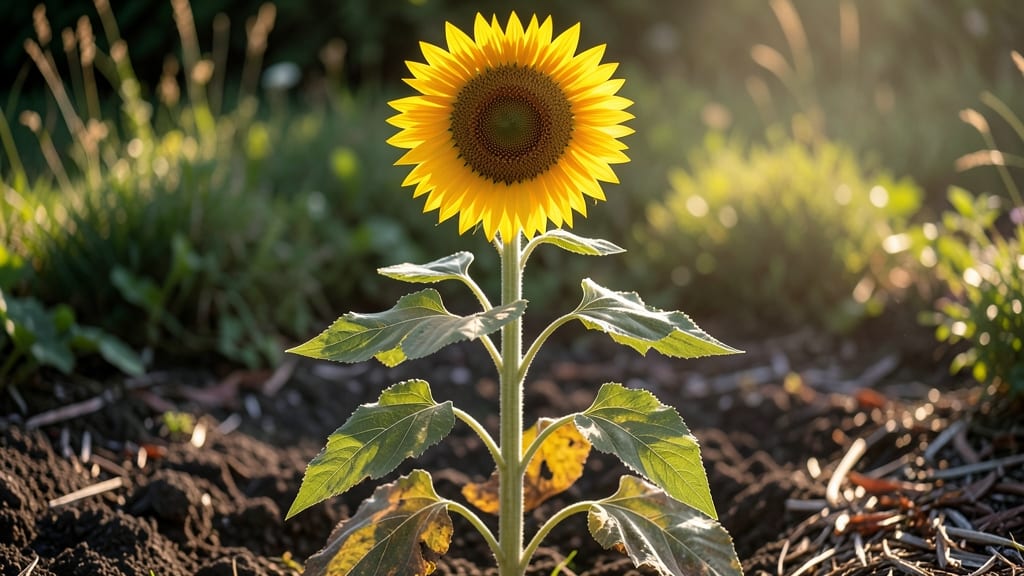
How tall can a sunflower grow? These towering plants can stretch up to 15 feet or more, reaching heights that dwarf even the tallest humans.
If you’ve ever marveled at towering sunflowers in fields or gardens, you’re not alone—these giants of the plant world can reach astonishing heights, sometimes dwarfing even the tallest humans. But just how tall can sunflowers grow, and what secrets unlock their massive potential?
The answer depends on the variety you choose. Dwarf sunflowers stay compact at just 1-3 feet, perfect for containers or small gardens, while standard varieties like 'Mammoth Russian' or 'American Giant' can soar to 10-15 feet with the right care.
In this guide, you’ll discover the tallest sunflower varieties, the factors that influence their height, and practical tips to help you grow sunflowers that reach their full potential—or manage their towering growth in your garden.


Sunflower height records: tallest varieties and their staggering stats
Sunflowers aren’t just cheerful faces in gardens—they’re architectural marvels capable of reaching unbelievable heights. While most varieties top out around 6-10 feet, some giant sunflower varieties shatter expectations by soaring past 12 feet, with record-breaking specimens hitting 20+ feet under ideal conditions.
These towering plants aren’t just a show—they’re a testament to genetic potential and perfect growing conditions.
In 2022, a Mammoth Russian sunflower in Germany claimed the world record at 11.8 feet, but private growers have reported heights exceeding 15 feet with specialized care.
The key? A combination of genetics, nutrient-rich soil, and optimal climate. Let’s dive into the tallest varieties and the secrets behind their staggering growth.
Comparison Table: Tallest Sunflower Varieties vs. Standard Heights
| Variety | Recorded Height | Standard Height Range | Key Growth Factor | Sun Needs |
|---|---|---|---|---|
| Mammoth Russian | 20+ feet (private records) | 10–15 feet | Cold-hardy genetics | Full sun |
| American Giant | 15–18 feet | 12–16 feet | Deep root system | Full sun |
| Russian Giant | 12–14 feet | 8–12 feet | Early maturity | Full sun |
| Giant Russian Sunflower | 10–13 feet | 6–10 feet | Drought tolerance | Full sun |
| Standard Dwarf (e.g., 'Teddy Bear') | 1–3 feet | 1–3 feet | Compact genetics | Full sun |
The Mammoth Russian variety holds the crown for tallest sunflowers, with some specimens exceeding 20 feet when grown in loamy, nutrient-rich soil with consistent moisture.
These giants aren’t just tall—they’re structurally robust, thanks to their thick stems and deep root systems that anchor them against wind and weather.
For comparison, standard sunflower varieties like 'Autumn Beauty' or 'ProCut' typically max out at 6–10 feet, making them ideal for small gardens or cut flower arrangements.
The difference in height isn’t just about variety—it’s also about growing conditions. Giant sunflowers thrive in USDA Zones 3–9, where they can take full advantage of long growing seasons and warm summers.
One surprising factor in sunflower height is soil fertility. Plants grown in compost-amended soil with a pH of 6.0–7.5 can grow 30% taller than those in poor soil.
Adding bone meal or phosphorus-rich fertilizer early in the season encourages root and stem development, while regular watering prevents stunted growth. Even wind exposure plays a role—sheltered locations reduce stem stress, allowing plants to channel energy into height rather than reinforcement.
Climate also matters: Cooler nights (below 70°F) and warm days (above 75°F) create the perfect growth window for sunflowers. In hotter climates, like Zone 10, sunflowers may bolt prematurely or struggle to reach full height.
Conversely, in shorter seasons (e.g., Zone 4), planting early-start varieties like 'Russian Giant' ensures they mature before frost.
If you’re dreaming of giant sunflowers in your garden, start with heirloom varieties known for their height, like 'American Giant' or 'Mammoth'. Plant seeds 1 inch deep and 12–18 inches apart to give roots room to spread.
Use stakes or cages for support if your area is windy, and avoid over-fertilizing with nitrogen, which can lead to leafy growth at the expense of height.
For a visual benchmark, imagine a 15-foot sunflower towering over a 6-foot-tall adult—that’s the kind of dramatic impact these giants deliver.
Whether you’re growing them for award-winning displays or simply to wow neighbors, understanding the height potential of sunflowers helps you plan for their space needs and support requirements.
Ready to grow your own sunflower skyscraper? The secret lies in patient care, the right variety, and a little garden magic. With the perfect blend of sun, soil, and genetics, your sunflowers could soon be reaching for the sky—literally! 🌻
How to grow sunflowers taller: proven tips for maximizing height
Sunflowers are nature's skyscrapers, and with the right care, you can coax them to reach their maximum height potential. The secret lies in mimicking their ideal growing conditions—rich soil, consistent moisture, and plenty of sunlight.
I’ve grown 12-foot sunflowers in my garden by following these proven techniques, and I’m excited to share them with you.
First, let’s talk about the foundation of growth: your soil. Sunflowers thrive in well-draining, nutrient-rich soil with a pH between 6.0 and 7.5. Amend your garden bed with compost or aged manure before planting to give your sunflowers the nutrients they need to shoot upward.
I always add a balanced fertilizer (like 10-10-10) at planting time to kickstart their growth.
⚠️ WARNING: Overpromising Heights Can Backfire
While some giant varieties like 'Mammoth Russian' can reach 12-15 feet under perfect conditions, most standard sunflowers max out at 8-10 feet. Over-fertilizing or overwatering can lead to weak stems that flop under their own weight.
Focus on strong stems, not just height—your sunflowers will thank you with sturdy growth and vibrant blooms!
Next, watering consistency is key. Sunflowers need 1-1.5 inches of water per week, especially during their rapid growth phase. I water mine deeply in the morning to prevent fungal diseases and ensure the roots absorb moisture efficiently.
Avoid wetting the leaves, as this can encourage mildew. Let the soil dry slightly between waterings to prevent root rot.
Sunlight is non-negotiable for tall sunflowers. These plants crave 6-8 hours of direct sunlight daily. If your garden is shady, consider growing dwarf varieties like 'Teddy Bear' instead.
I’ve seen sunflowers in partial shade grow only half their potential height, so choose a sunny spot and watch them reach for the sky!
For extra-tall varieties, staking is your best friend. Use bamboo stakes or tomato cages to support stems as they grow. I tie the stems loosely with soft plant ties every 2-3 feet to prevent damage.
This not only encourages height but also protects against wind damage. Prune any side shoots that form below the main stem to redirect energy upward.
Finally, avoid common mistakes like crowding plants or pruning too late. Give each sunflower 12-24 inches of space to grow without competing for nutrients. If you notice yellowing leaves, it’s often a sign of overwatering or nutrient deficiency.
Adjust your care routine accordingly, and your sunflowers will reward you with impressive height and stunning blooms.