
How To
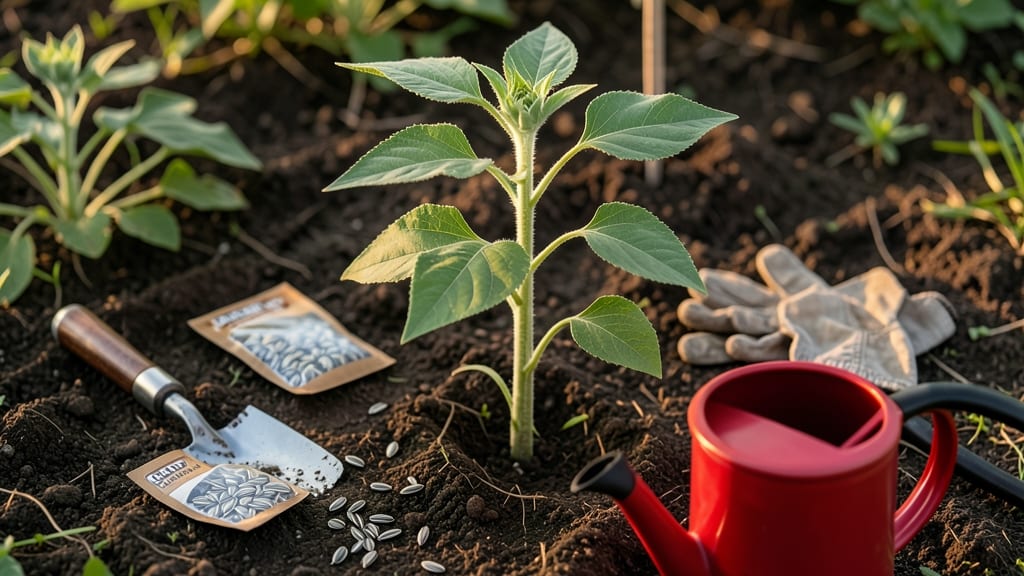
Sunflower seeds grow surprisingly fast from tiny sprouts to towering 10-foot giants in just 70–120 days, depending on the variety and conditions.
Picture this: a sun-drenched morning in your backyard, where just weeks ago you dropped a seed into the soil. Now, a bright yellow bloom stands taller than you, its petals radiating like the sun itself. That’s the magic of sunflowers—one of the fastest-growing annuals you can plant.
But here’s the catch: not all sunflowers grow at the same speed. Dwarf varieties like ‘Teddy Bear’ may bloom in as little as 50 days, while giants like ‘Russian Giant’ take closer to 120 days to reach their full height.
Soil warmth, sunlight, and even watering habits can shave weeks off—or add them on.
In this guide, I’ll break down the exact timeline from seed to bloom, share pro tips to speed up growth, and highlight the fastest varieties for quick rewards. Ready to turn your garden into a sunflower spectacle?


Sunflower growth timeline: weeks to bloom from seed planting
Sunflowers are one of the fastest-growing plants in any garden, transforming from tiny seeds into towering sun-loving giants in just a few months.
On average, most sunflower varieties reach maturity—from seed to full bloom—in 8 to 12 weeks, though some dwarf types can flower in as little as 6 weeks. Understanding this growth timeline helps you plan your garden layout, predict bloom times, and troubleshoot delays before they happen.
My first sunflower garden taught me that patience is key—those first green shoots appear quickly, but the real magic happens in the weeks that follow. Each stage, from germination to bud formation, brings its own set of care requirements.
Let’s break down the week-by-week milestones so you can track your sunflowers’ progress like a pro.
🌱 Key Takeaway: Sunflowers grow fastest when planted in well-draining soil, given full sun exposure, and watered consistently. Skipping any of these steps can slow growth by 2-4 weeks.
During the first 2 weeks, your sunflower seeds will focus all their energy on breaking through the soil and establishing those critical root systems. This is when most gardeners see their first green shoots poking through the earth—a sure sign your patience is paying off.
If your seeds take longer than 10 days to sprout, check your soil temperature; sunflowers need warm soil (60°F+) to germinate efficiently.
By week 3, your seedlings will be racing upward, adding new leaves every few days. This is the vegetative growth phase, where you’ll notice the most dramatic height increases. If your sunflowers start leaning or looking leggy, it’s a sign they need more direct sunlight or stronger stems.
I’ve found that staking tall varieties early prevents future breakage when storms roll in.
One of my favorite moments is watching the bud stage begin around week 7. That’s when the flower head starts to swell, and you can almost see the bright yellow petals forming.
This phase is also when sunflowers become drought-tolerant, so you can ease up on watering slightly—just don’t let the soil dry out completely. Overwatering now can cause bud rot, which is a heartbreaking setback.
When your sunflowers finally bloom, typically between 8 and 12 weeks after planting, it’s
Factors that speed up or slow down sunflower growth
Sunflowers are nature’s speed demons when conditions are right, but even the fastest varieties can stall without proper care. The difference between a 6-week sprout and a 12-week giant often comes down to just a few key factors.
Let’s break down what makes your sunflowers reach for the sky—or wilt before they begin.
First, soil temperature is your secret weapon. Sunflower seeds need soil that’s at least 55°F (13°C) to germinate, but they’ll shoot up fastest in 70-85°F (21-29°C) ranges. Cold soil slows germination by 30-50%, while warm soil can have them popping through in just 5-7 days.
Use a seedling heat mat if your spring soil is still chilly.
Next, sunlight exposure isn’t just important—it’s non-negotiable. Sunflowers crave 8+ hours of direct sun daily, and even partial shade can cut growth by 40%.
I’ve seen sunflowers in full sun grow 3 feet in 30 days, while shaded plants might only reach 1 foot in the same time. Place them where they’ll get morning sun and afternoon light.
Watering habits make or break your sunflowers. Deep, infrequent watering (1-2 gallons per plant weekly) encourages strong root systems, while shallow, frequent watering leads to weak stems that flop over.
Overwatering is just as bad—it causes root rot and fungal diseases that stall growth completely. Stick your finger 2 inches into soil; if it’s dry, water thoroughly.
Speed Up vs. Slow Down Sunflower Growth
✅ SPEED UP GROWTH
- Warm soil (70-85°F)
- Full sun (8+ hours)
- Deep watering (1-2x/week)
- Balanced fertilizer (10-10-10)
- Loose, fertile soil
❌ SLOW DOWN GROWTH
- Cold soil (<55°F)
- Partial shade (<6 hours sun)
- Over/under watering
- Poor drainage (root rot)
- Crowded plants (compete for nutrients)
"A sunflower’s growth rate doubles with ideal conditions—don’t let small mistakes hold it back!"
Choosing the right seed variety can shave weeks off your timeline. Dwarf varieties like 'Teddy Bear' bloom in 50-60 days, while giant 'Russian Giants' take 100-120 days. If you want quick blooms, opt for early-maturing hybrids—they’re bred to prioritize speed over size.
I always plant a mix of fast and slow varieties to extend my bloom season.
Common mistakes often stall growth without gardeners realizing it. Overcrowding forces plants to compete for nutrients, while late planting (after June) gives them less time to mature.
Even using old seeds (over 2 years) reduces germination rates by 30%. Save seeds from your healthiest plants each year to maintain vigor.
To maximize speed, combine these tips: start seeds indoors 2-3 weeks before last frost, transplant to warm soil, and stake tall varieties early. With the right conditions, you’ll see 3-foot growth in just 30 days—and those golden blooms will be worth every effort. Happy growing! 🌻