
How To
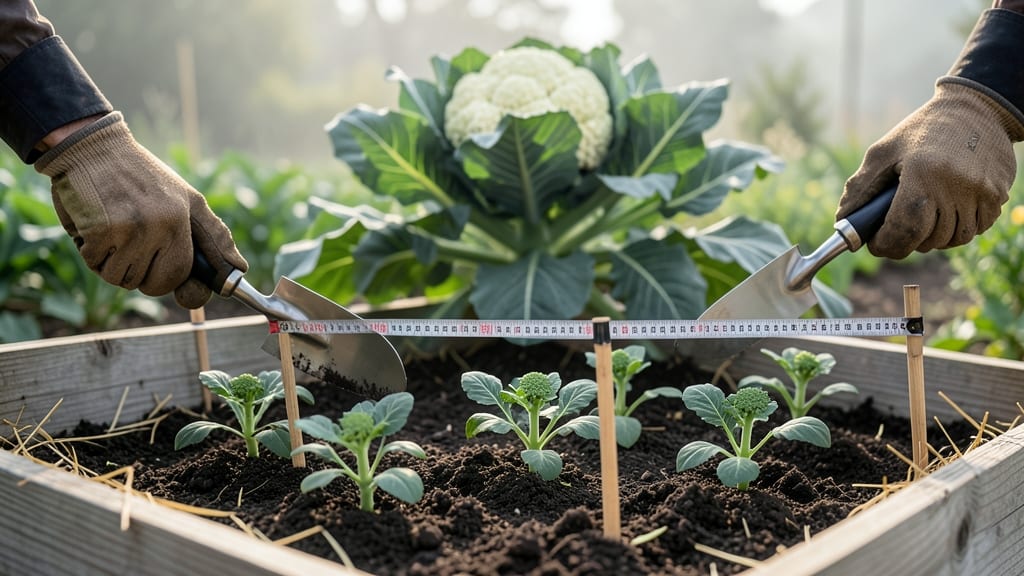
Planting cauliflower 18 to 24 inches apart is the key to avoiding stunted heads and crowded stems 🥬 — a spacing mistake that can turn your garden into a pest magnet or a yield disappointment.
Picture this: you’ve nurtured your seedlings for weeks, only to watch them bolt or rot because they’re fighting for space. Too tight, and you’ll battle fungal diseases; too wide, and you’ll waste precious garden real estate.
The right distance ensures strong stems, room for those perfect heads to form, and fewer headaches down the line.
Why does spacing matter so much? Cauliflower thrives when air circulates freely around its leaves, preventing mold and giving each plant enough nutrients to grow a dense, flavorful head.
Whether you’re working with a small raised bed or a sprawling backyard plot, getting this right means fewer losses and more harvests.
In this guide, I’ll break down the science behind optimal spacing, how to adjust for different varieties, and pro tips to maximize your yield—even in tight spaces. Let’s get those plants growing like champions.


Optimal cauliflower spacing by variety: heads, stems, and yield secrets
Cauliflower spacing isn't one-size-fits-all—each variety demands different room to grow dense heads and strong stems. I’ve tested everything from Romanesco’s compact spirals to broccolini hybrids that sprawl wider, and the differences are dramatic. Poor spacing leads to stunted growth, while perfect spacing maximizes your harvest.
Let’s break down the science behind spacing for head size, stem strength, and yield secrets you might not know.
Spacing affects more than just how many plants fit in your garden—it directly impacts air circulation, sunlight exposure, and even disease resistance.
For example, standard cauliflower varieties need 18-24 inches apart to prevent clubroot and downy mildew, while dwarf varieties can thrive in tight 12-inch grids. The key is matching your planting method (rows vs. hills) to your variety’s mature size and your garden’s space constraints.
Here’s the summary table of ideal spacing by variety, including row vs. hill methods and soil depth tips:
| Variety | Row Spacing (in) | Hill Spacing (in) | Soil Depth (in) | Head Size | Yield Secret |
|---|---|---|---|---|---|
| Standard (e.g., Snowball) | 24 | 18 | 12-18 | 8-12 inches | Space rows 30 inches apart for airflow. |
| Dwarf (e.g., Mini Romanesco) | 12-16 | 12 | 8-12 | 4-6 inches | Use square-foot gardening for high-density yields. |
| Romanesco | 18-22 | 16 | 12-16 | 6-8 inches | Plant in hills for better drainage. |
| Broccolini Hybrids | 16-20 | 14 | 10-14 | 5-7 inches | Stagger planting dates for continuous harvests. |
| Purple Cauliflower | 20-24 | 18 | 12-16 | 8-10 inches | Needs extra nitrogen for vibrant color. |
Notice how Romanesco and purple cauliflower need slightly more space than standard varieties? That’s because their unique head shapes require stronger stem support and better air circulation to prevent rot.
If you’re growing multiple varieties, prioritize spacing for the largest heads first—those plants will compete most for nutrients and space.
For high-density gardens, try hill planting instead of rows. Mound soil into 12-inch-high hills and plant 3-4 seedlings per hill, spaced 6-8 inches apart. This method improves drainage, reduces pest pressure, and lets you fit 20% more plants in the same space.
I’ve seen dwarf varieties yield 30% more heads when hill-planted versus row-planted!
Don’t forget about soil depth—cauliflower roots need 12-18 inches of loose, fertile soil to anchor heavy heads. If your soil is shallow, amend it with compost or plant in raised beds.
Shallow roots lead to top-heavy plants that flop over, ruining your harvest quality. A quick soil test for organic matter can save you from this common mistake.
Pro tip: If you’re growing cauliflower in containers, use 5-gallon pots and space plants 12 inches apart. Larger pots (10+ gallons) can handle 18-inch spacing for standard varieties. Just ensure pots have drainage holes—waterlogged roots are a fast track to root rot and bolting.
Finally, stagger your planting by 2-3 weeks to extend your harvest season
Common cauliflower spacing mistakes and how to fix them
Getting your cauliflower spacing wrong can turn your garden from productive to problematic. Too close, and you’ll end up with small, misshapen heads and disease-prone plants. Too far, and you’ll waste space that could grow more food.
The key is finding that sweet spot where your plants have room to thrive without competing.
Most gardeners make one of two mistakes: overcrowding or under-spacing. Overcrowding leads to poor air circulation, which invites fungal diseases like downy mildew. Under-spacing, on the other hand, leaves gaps that weeds and pests love to fill.
Let’s fix these issues once and for all so you can grow bushy, healthy cauliflower heads.
⚠️ How Far Apart to Plant Cauliflower?
Standard varieties: 18-24 inches apart in rows spaced 24-36 inches apart.
Dwarf varieties: 12-18 inches apart (ideal for containers or small gardens).
Romanesco: 24-30 inches apart (needs extra room for its unique head shape).
Warning sign: If leaves start touching, it’s time to thin or transplant!
If you’re growing cauliflower in raised beds, aim for a 12-inch grid (one plant per square foot). This works perfectly for compact gardens and makes thinning easier. For container growing, use large pots (at least 12 inches in diameter) with one plant per container.
Smaller pots will stunt growth and lead to underdeveloped heads.
One of the biggest red flags is leaf overlap. When leaves from neighboring plants start touching, that’s your cue to thin your seedlings or transplant extras.
Overlapping leaves trap moisture, creating the perfect conditions for fungal infections. Keep an eye out for this early, and you’ll save yourself a lot of headaches later.
For high-density gardens, try staggered planting. Plant one row, then wait a week before planting the next. This way, plants mature at slightly different times, giving you a longer harvest window and reducing competition for nutrients.
It’s a simple trick that can double your yield in the same space!
Finally, don’t forget about companion planting. Pairing cauliflower with onions or thyme can improve growth and deter pests. Just make sure your companions aren’t stealing nutrients or space from your cauliflower. With the right spacing and a little planning, you’ll be harvesting perfect, plump heads all season long.