
Planting
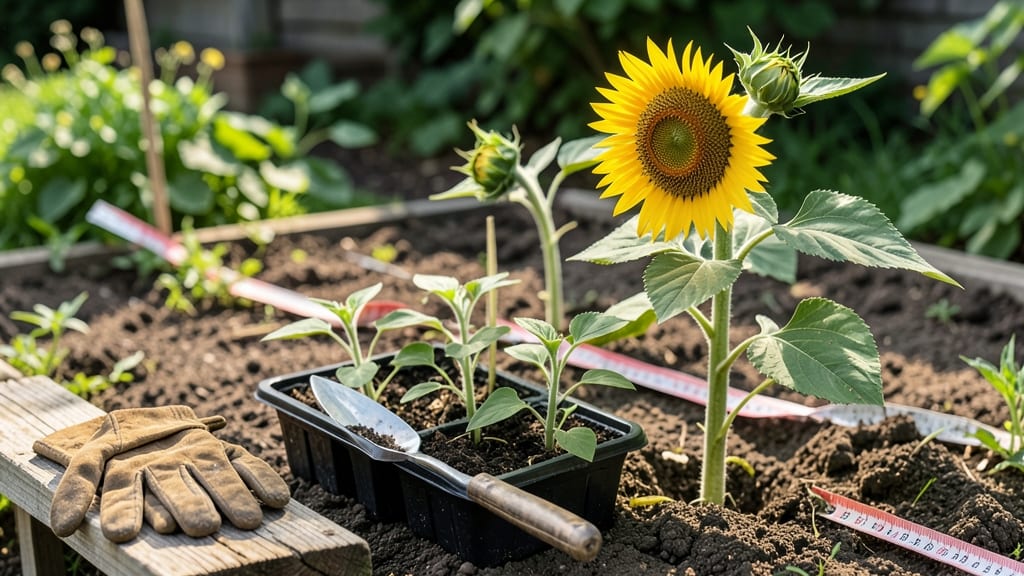
Planting sunflowers too close will leave you with a jungle of floppy stems and half-sized blooms—so here’s the exact spacing you need for those towering 🌻 stalks to shine.
Picture this: You’ve spent weeks waiting for your sunflower seeds to sprout, only to watch them lean into each other like drunken partygoers, struggling to stand straight. That’s the problem with crowded spacing—and it’s easier to fix before you plant than after.
Sunflowers need room to stretch their legs (literally). Most varieties thrive when planted 12-24 inches apart, but dwarf types can squeeze in at 6 inches, while giants like ‘Russian Giant’ demand 3 feet of elbow room.
Get this wrong, and you’ll end up with weak stems, fewer flowers, and a garden that looks more like a tangled mess than a sunlit masterpiece.
Below, I’ll break down the ideal spacing for every sunflower type, plus how to adjust for soil, sunlight, and even your garden’s layout. By the end, you’ll know exactly how to plant them so they grow tall, proud, and ready to turn heads all summer long.


Optimal sunflower spacing by variety: giant vs. dwarf vs. standard
Sunflowers come in a stunning range of sizes—from dwarf varieties that barely reach your knees to giant stalks towering over your fence. But their spacing needs vary just as dramatically.
Plant them too close, and you’ll end up with leaning stems and stunted blooms. Follow these variety-specific guidelines to ensure your sunflowers grow strong, stable, and show-stopping.
Proper spacing isn’t just about aesthetics—it’s about giving each plant enough root space and sunlight access. Tall varieties need room to avoid wind damage, while dwarf types benefit from airflow circulation to prevent fungal issues.
Think of spacing as the foundation for healthy sunflower architecture—just like how skyscrapers need sturdy footings!
| Variety | Height Range | Spacing (inches) | Rows Apart (feet) | Notes |
|---|---|---|---|---|
| Giant (Mammoth, Russian Giant) | 12–16 ft | 24–36" | 3–4 ft | Needs sturdy soil and windbreaks; avoid overcrowding. |
| Standard (Autumn Beauty, ProCut) | 6–10 ft | 12–18" | 2–3 ft | Versatile for cut flowers and bird feed. |
| Dwarf (Teddy Bear, Moulin Rouge) | 2–4 ft | 6–12" | 1–2 ft | Perfect for containers and small gardens. |
| Semi-Dwarf (Island Sun, Sunspot) | 4–6 ft | 12–16" | 2 ft | Great for border gardens and mixed beds. |
For giant sunflowers like Mammoth or Russian Giant, space them 24–36 inches apart in rows 3–4 feet apart. These towering beauties need room to develop deep roots and avoid toppling in windy conditions.
I once grew a Russian Giant just 18 inches from its neighbor, and by mid-summer, both stems leaned like drunkards at a garden party!
Standard varieties like Autumn Beauty or ProCut strike a balance—12–18 inches apart in rows 2–3 feet apart. This spacing works well for cut flower gardens or when you want a continuous bloom display.
I plant these in staggered rows to create a natural trellis effect for climbing beans or morning glories.
Don’t overlook dwarf sunflowers like Teddy Bear or Moulin Rouge—they’re perfect for containers or small-space gardens. Space them 6–12 inches apart in rows 1–2 feet apart. These little powerhouses pack big color into tight spots, and they’re deer-resistant, making them ideal for urban or suburban plots.
If you’re growing sunflowers in containers, opt for dwarf or semi-dwarf varieties. A 5-gallon pot can comfortably hold one Teddy Bear sunflower, while a 12-inch diameter pot can fit 3–4 plants spaced 6 inches apart. Just ensure your container has drainage holes—sunflowers hate soggy roots!
For wind-prone areas, increase spacing by 25–50% to give plants more structural support. I’ve seen giant sunflowers snap at the base when planted too close in open fields.
If you’re unsure, err on the side of more space—you can always add companion plants like marigolds or borage in the gaps.
Pro tip: Use a string
5 Common sunflower spacing mistakes that stunt growth (and how to fix them)
Sunflowers may seem easy to grow, but spacing mistakes can turn your vibrant garden into a jungle of floppy stems and underperforming blooms. Even the hardiest varieties like Russian Giant or Teddy Bear need room to breathe—or they’ll compete for nutrients and sunlight, leaving you with weak, leggy plants.
The biggest offenders? Overcrowding, poor airflow, and ignoring variety-specific spacing. These errors don’t just limit height—they invite pests, fungal diseases, and root rot. The good news? Most issues are fixable with simple adjustments like thinning seedlings or adding support structures.
⚠️ Danger Zone: How Close Is Too Close?
Mistake #1: Planting seeds closer than 6 inches apart. This leads to root competition and stunted growth. Fix: Thin to 12–24 inches between mature plants (adjust by variety).
Mistake #2: Ignoring height-to-spacing ratios. Tall varieties (like Mammoth) need 36+ inches of space, while dwarfs (2–4 ft) can handle 12 inches. Fix: Group similar heights together.
Another silent killer is blocked sunlight. Sunflowers need 6–8 hours of direct light, and crowded plants will stretch toward gaps, creating weak stems. I’ve seen 10-footers collapse under their own weight because they were planted too densely in a north-facing plot.
For container gardens, the stakes are even higher. One 5-gallon pot per sunflower is ideal—any less, and roots will circle, strangling growth. If you’re short on space, try succession planting: Sow seeds every 2 weeks in staggered rows to extend blooms without overcrowding.
Don’t overlook companion planting as a spacing hack. Pair sunflowers with bush beans or marigolds—their shallow roots won’t compete, but they’ll deter pests like aphids and improve soil health. Just keep them 18 inches away from sunflower stems.
If your sunflowers are already struggling, act fast. Prune lower leaves to improve airflow, and install trellises or stakes for support. For severe cases, dig up the most crowded plants and replant them 12 inches apart in fresh soil.
With the right spacing, your sunflowers will reward you with bold blooms and sturdy stalks—not floppy failures. 🌻