Vegetables
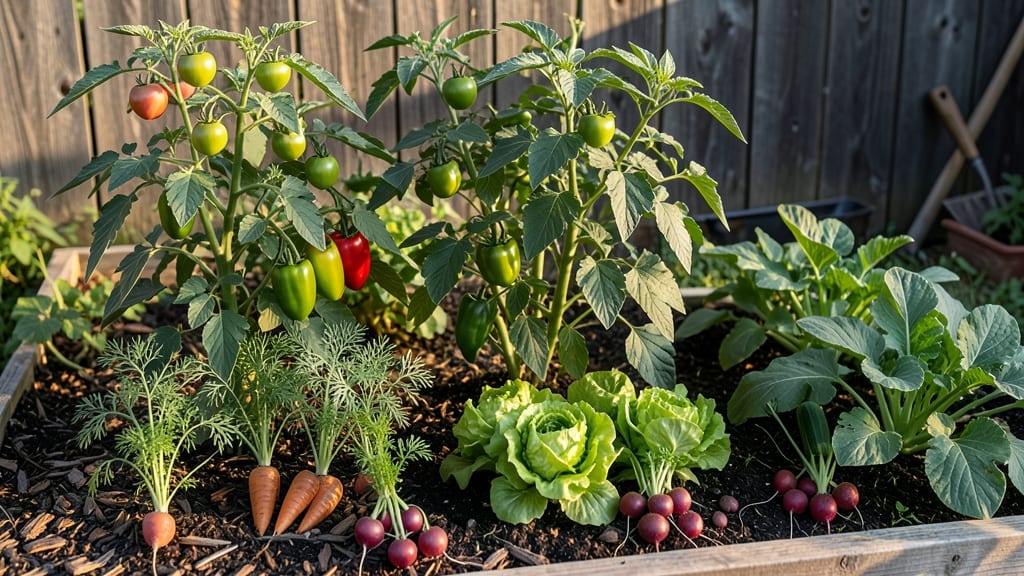
Your home vegetable garden could feed you fresh tomatoes in July and crisp greens in January—no guilt, no waste, just pure, homegrown abundance. 🌱 The secret isn’t fancy tools or perfect soil, but smart design that fits your space while maximizing every inch for productivity.
I’ve turned my small urban yard into a year-round harvest zone using raised beds, vertical trellises, and companion planting tricks that confuse pests naturally.
Start with what you love to eat—maybe a few heirloom tomatoes, some leafy greens, or a row of peppers—and design around those. A 4’ x 8’ raised bed fits most backyards, while balcony planters work for herbs and dwarf varieties.
The key is layering plants by height: tall tomatoes in back, bushy peppers in middle, and shallow-rooted lettuce up front. This keeps everything accessible and sunlight-friendly.
By summer’s end, you’ll be pulling pounds of zucchini from your own plot instead of buying them at the store. The best part? No more grocery store trips for sad, wilted veggies—just the crispest, juiciest produce you’ve ever tasted, grown right outside your door.
And the layout? It’ll look intentional, not like a random patch of dirt.
Whether you’ve got a full backyard or just a sunny windowsill, this approach scales. Next, we’ll break down the exact spacing, planting schedules, and companion combos that make the difference between a decent garden and one that feeds your family all year. Let’s get growing!
📚 In This Guide
- What you need
- Instructions
- Tips and common mistakes
- Wrapping up and next steps
What you need
- ● Garden Space: In-ground plot (minimum 4x8 feet for beginners) OR
- ● Raised beds (4x8 feet, 6-12 inches deep, with drainage holes)
- ● Soil: High-quality potting mix or garden soil (avoid clay-heavy soil)
- ● Compost (1-2 inches mixed into soil for nutrients)
- ○ Optional: Worm castings or aged manure (1 cup per square foot)
- ● Seeds or Seedlings: Choose easy-to-grow veggies like tomatoes, lettuce, green beans, or herbs
- ● Quantity: 2-3 plants per person (e.g., 6 tomato plants for a family of 4)
- ● Watering Supplies: Watering can (1-2 gallons) OR hose with adjustable nozzle
- ○ Drip irrigation kit (optional but water-efficient)
- ● Basic Tools: Hand trowel (for planting/seeding)
- ● Garden gloves (to protect your hands)
- ● Pruners (for trimming)
- ● Stakes or cages (for vining plants like tomatoes)
- ● Soil Amendments: Balanced fertilizer (e.g., 10-10-10 or organic options)
- ● Mulch (straw or wood chips to retain moisture)
- ● Pest Control: Neem oil (natural pesticide)
- ● Row covers (to deter pests)
- ● Storage & Organization: Garden journal (to track planting dates & progress)
- ● Seed storage containers (for saving seeds)
Step-by-step instructions for starting a home vegetable garden
Here's how to create a thriving vegetable patch that keeps producing all year—no fancy tools required.
🌱 Step 1: Choose Your Garden Location and Size
Pick a spot that gets at least 6-8 hours of sunlight daily. Most home vegetable gardens need full sun, but leafy greens like spinach and lettuce tolerate partial shade. I always test my spot by planting a few fast-growing radishes first—they’ll tell you instantly if the location works.
Size matters too. A 4' x 8' raised bed (about 32 square feet) feeds two people all season, while a 10' x 10' plot handles a family of four. Mark your space with stakes and string—this keeps you from overcrowding plants later. Real talk: I once planted tomatoes too close together, and they fought for sunlight like siblings over the last slice of pizza.
🪴 Step 2: Prepare the Soil for Maximum Growth
Loosen the top 12 inches of soil with a garden fork or tiller. Break up any clumps and remove rocks or weeds. I swear by adding 2-3 inches of compost to the top layer—this improves drainage and feeds plants slowly all season. Mix in a handful of bone meal for phosphorus if you're planting root crops like carrots or potatoes.
Test your soil’s moisture by squeezing a handful. It should hold together but not feel soggy. If it crumbles like dry sand, add more compost or aged manure. The goal is soil that feels like a damp sponge—plants hate sitting in puddles just as much as they hate thirst.
☀️ Step 3: Plan Your Planting Layout for Success
Group plants by their needs: tall plants like tomatoes and corn go in the north end of the bed (so they don’t shade shorter ones), while shallow-rooted herbs and greens thrive in the south. I use the "square foot gardening" method—divide your bed into a grid and plant 16 seeds per square foot for most veggies (check seed packets for exceptions).
Don’t forget to leave walking paths between rows—18-24 inches wide is ideal. This prevents soil compaction and makes harvesting easier. I always sketch my layout first; it’s amazing how different a garden looks on paper versus in your head.
💧 Step 4: Plant Seeds or Transplants at the Right Time
Direct-sow seeds like beans, peas, and carrots 2-3 weeks before your last frost date. For transplants (tomatoes, peppers, etc.), wait until soil temps hit 60°F—stick a thermometer in the ground to check. Plant seeds at the depth marked on the packet (usually 2-3 times the seed’s diameter), and cover lightly with soil.
Water gently right after planting—aim for 1 inch of water per week, either from rain or irrigation. Use a soaker hose or drip system to avoid disturbing seedlings. I set a reminder on my phone for watering days; consistency beats perfection every time.
✂️ Step 5: Maintain Your Garden for Continuous Harvests
Mulch with 2-3 inches of straw or wood chips to retain moisture and suppress weeds. Remove weeds when they’re young—they steal nutrients faster than your plants can. I pull weeds on cloudy days when the soil is damp; it’s way easier and less frustrating.
Fertilize every 4-6 weeks with a balanced organic fertilizer (like 5-5-5). Watch for pests like aphids or cabbage worms—handpick them early or spray with neem oil if they spread. The key to year-round success? Rotate crops annually to prevent soil depletion and disease buildup.
Tips & tricks for perfect home vegetable gardens
Common pitfalls—and how to sidestep every one—so your garden thrives from first sprout to final harvest.
Sunlight Secret: That 6-8 hours of sunlight isn't just a minimum—it's your golden ticket to success. I've seen gardens fail when planted near trees or buildings that cast shadows. Use a sun calculator app to map your yard's sunlight patterns throughout the day. Morning sun is gentler, while afternoon sun can scorch delicate plants like lettuce, so position heat-sensitive crops on the north side of your bed.
The Soil Test You Shouldn't Skip: Before adding compost, do this quick test: Grab a handful of your native soil and squeeze it. If it crumbles like dry sand, you need more organic matter. If it sticks together like wet clay, you need to add sand or perlite for better drainage. I once had a garden where the soil was so compacted that my carrots grew in spirals—adding 2-3 inches of compost fixed it completely. The goal is soil that holds together when squeezed but breaks apart easily when you poke it.
Layout That Actually Works: When planning your 16 seeds per square foot layout, remember that some plants need more space as they mature. Tomatoes and squash are notorious space hogs—give them at least 2 feet between plants. I sketch my layout on graph paper first, then use a string and stakes to mark the actual garden. This prevents the "oops, I planted these too close" mistake I made with my first zucchini plants.
Watering Wisdom: That 1 inch per week watering guideline assumes average rainfall. In my climate, we get heavy downpours followed by dry spells, so I set up a rain gauge to track actual precipitation. During dry periods, I water deeply in the morning to prevent fungal diseases. The key is consistent moisture—plants prefer steady hydration over occasional deep soaks. I've seen seedlings wilt dramatically after just one missed watering day.
Pro Tips for Home Vegetable Gardens
- Common pitfalls—and how to sidestep every one—so your garden thrives from first sprout to final harvest.
- Sunlight Secret: That 6-8 hours of sunlight isn't just a minimum—it's your golden ticket to success. I've seen garden...
- The Soil Test You Shouldn't Skip: Before adding compost, do this quick test: Grab a handful of your native soil and s...
Frequently asked questions
Got questions about starting and maintaining your own home vegetable garden? You’re not alone! Here are some of the most common queries—plus straightforward answers to help you grow with confidence.
What’s the best time of year to start a vegetable garden?
Most vegetables thrive when planted in early spring (after the last frost) or late summer (for fall harvests). Cool-season crops like lettuce and peas can even handle light frosts! Check your USDA Plant Hardiness Zone for local timing tips.
Can I grow a garden on a budget? What are the cheapest starter plants?
Skip expensive seedlings and start with seeds (a $1 packet = dozens of plants). Opt for heirloom varieties or swap seeds with neighbors. Budget-friendly picks: beans, peas, lettuce, and radishes—all grow quickly and need minimal space.
How do I keep pests away without chemicals?
Prevention is key! Use row covers for bugs, companion planting (e.g., marigolds repel pests), and neem oil for organic sprays. Handpick larger pests (like tomato hornworms) early in the morning when they’re sluggish. Healthy soil = happy plants!
What if my garden fails? Common mistakes and fixes.
Don’t stress—even experts face setbacks! Overwatering? Let soil dry slightly between waterings. Poor soil? Amend with compost. Wrong sunlight? Move pots or choose shade-tolerant veggies like Swiss chard. Start small and adjust as you learn!
Can I grow vegetables in containers or small spaces?
Yes! Balconies, patios, and even windowsills work for herbs, cherry tomatoes, peppers, and leafy greens. Use 5-gallon pots (minimum for most veggies) and ensure they have drainage. Dwarf varieties (like ‘Tiny Tim’ tomatoes) are perfect for tight spaces.
Wrapping up and next steps
Starting a home vegetable garden isn’t just about growing food—it’s about reclaiming joy, sustainability, and freshness right in your backyard (or balcony!).
Whether you’re a seasoned green thumb or a curious beginner, the key is to start small, stay consistent, and celebrate every leafy victory. 🌱 With the right tools, patience, and a dash of creativity, you’ll soon be harvesting homegrown goodness year-round—no guilt, no middleman, just pure, delicious satisfaction.
Ready to take the next step? Pick one vegetable to plant this week—even a single tomato or herb pot will spark the magic. Then, watch as your garden (and your confidence!) grows. Happy planting! 🌟