
Vegetables
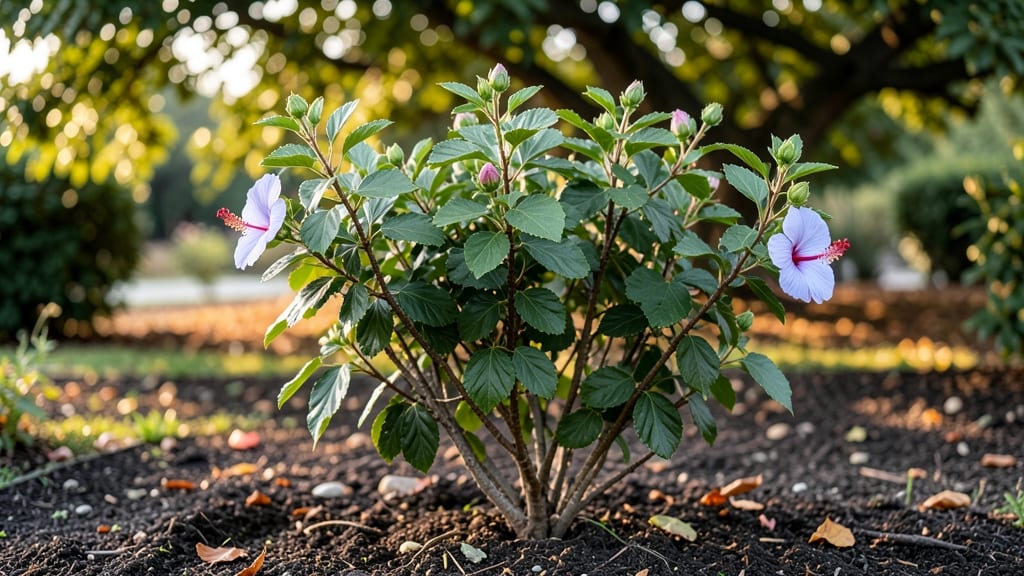
Your hibiscus after winter needs just three simple steps to wake up from dormancy and bloom like crazy again. 🌸 I’ve revived my own tropical hibiscus every spring with the same routine—pruning the dead wood, feeding the roots, and easing them back into the sun.
The key is patience; rushing this process means leggy growth and fewer flowers.
Start by cutting back any brown or mushy stems to healthy green wood—this happens naturally in temperate climates, but tropical hibiscus might need a little help. Use clean pruners and focus on shaping the plant while you’re at it.
A light feeding with balanced fertilizer (10-10-10) right after pruning gives roots the kickstart they need for new growth.
By late spring, your hibiscus will be pushing out fresh leaves and buds faster than you can snap photos. The secret is gradual sun exposure—move potted plants outdoors for a few hours a day, then increase their time outside over 1-2 weeks.
This prevents sunburn and shock, especially for tropical varieties that spent winter indoors.
Watch for spider mites or aphids as new growth appears—they love tender hibiscus leaves. A quick spray of water or neem oil keeps pests at bay without chemicals.
With this approach, my hibiscus blooms heavier in June than it did all summer last year, and the flowers stay vibrant until frost.
📚 In This Guide
- What you need
- Instructions
- Tips and common mistakes
- Wrapping up and next steps
What you need
- ● Pruning shears – Sharp, clean pair (sterilize with rubbing alcohol for hygiene).
- ● Organic fertilizer – Slow-release (10-10-10 NPK ratio) or balanced bloom booster (e.g., Miracle-Gro or Dr. Earth). Quantity: 1–2 tbsp per plant.
- ● Compost or well-rotted manure – 2–3 cups per plant to replenish soil nutrients.
- ● Mulch – Wood chips, straw, or shredded leaves (2–3 inches thick) to insulate roots.
- ● Watering can or hose with gentle nozzle – Avoid blasting stems; deep watering is key.
- ○ Gloves – Heavy-duty for handling thorny stems (optional but recommended!).
- ● pH test kit – Hibiscus thrives in 6.0–7.0 pH; adjust with lime (to raise) or sulfur (to lower) if needed.
- ● Epsom salt – 1 tbsp dissolved in a gallon of water (monthly foliar spray for magnesium boost).
- ○ Plant support (optional) – Stakes or cages for tall varieties (e.g., Hibiscus syriacus).
- ● Sunlight check – Ensure 6+ hours of direct sun daily (south-facing spot ideal).
- ● Weather window – Wait until last frost date (or after soil warms to 60°F+) to prune.
- ● Patience – Hibiscus may take 4–6 weeks to show new growth post-pruning!
Instructions: how to revive and encourage hibiscus to bloom after winter
Here’s how I bring my hibiscus back to life each spring—no fuss, just consistent care.
🌱 Step 1: Prune for Shape and Health
Start by inspecting your hibiscus for dead or damaged branches. Use clean, sharp pruners to trim back any brown, brittle stems to a healthy green section. I like to cut just above a leaf node or outward-facing bud to encourage new growth in the right direction. This is also the time to shape the plant—remove any crossing or crowded branches to improve airflow and sunlight penetration.
Don’t overthink it. Hibiscus are forgiving, and even if you cut a little too much, new shoots will sprout within a few weeks. Just avoid heavy pruning if your plant looks weak—wait until you see fresh green growth before making drastic cuts.
☀️ Step 2: Move to a Warmer, Sun-Dappled Spot
Hibiscus thrive in warmth, so move your plant to a location where temperatures stay above 50°F. If you overwintered it indoors, place it near a south-facing window or under a grow light for 6-8 hours daily. If outdoors, choose a spot with morning sun and afternoon shade—too much direct summer sun can scorch the leaves.
Watch for signs of stress like yellowing leaves or wilting. If this happens, your plant may need more humidity. A quick fix? Place the pot on a tray of pebbles with water underneath—this creates a natural humid microclimate without overwatering.
💧 Step 3: Water and Fertilize for New Growth
Water your hibiscus when the top 1-2 inches of soil feel dry. Stick your finger in the soil—if it’s dry at that depth, it’s time to water. Use room-temperature water to avoid shocking the roots, and water deeply until it drains from the bottom of the pot. Empty the saucer afterward to prevent root rot.
Once new leaves start appearing, switch to a balanced 10-10-10 fertilizer every 2-3 weeks. This jumpstarts blooming. I mix the fertilizer with water and apply it in the morning so the plant can absorb it before the heat of the day. Avoid over-fertilizing—hibiscus prefer a gentle feeding rather than a heavy dose.
✂️ Step 4: Encourage Blooms with Light and Care
Hibiscus need bright, indirect light to produce buds. If your plant isn’t blooming by early summer, it might need more light. Rotate the pot a quarter turn weekly so the plant grows evenly toward the light source. Avoid drafts, like air conditioning vents or cold windows, which can stress the plant.
When buds form, you’re on the right track! To keep blooms coming, pinch back any leggy stems by one-third to encourage bushier growth. Deadhead spent flowers by snipping the stem just above a leaf node—this redirects the plant’s energy into producing new blooms instead of seed pods.
🌿 Step 5: Gradually Acclimate to Outdoor Conditions
If your hibiscus spent winter indoors, harden it off before moving it outside. Start by placing it in a sheltered spot for 1-2 hours daily, gradually increasing exposure over 7-10 days. This helps prevent shock from temperature swings and direct sun.
Once outside, keep an eye on the soil—container-grown hibiscus dry out faster in warm weather. Mulch the top of the soil with 1-2 inches of organic matter (like shredded bark) to retain moisture and regulate temperature. With consistent care, your hibiscus will reward you with vibrant blooms all season long.
Tips & tricks for reviving winter-weary hibiscus
Here's what nobody tells you about bringing your hibiscus back from winter dormancy—these small tweaks make all the difference.
Pruning Precision: When shaping your hibiscus in Step 1, look for those outward-facing buds—they're your secret weapon for bushier growth. I always make my cuts at a 45-degree angle just above a leaf node, which helps water run off and prevents rot. And here's the thing: if you accidentally cut into a leaf, don't panic! Hibiscus heal quickly, and new growth will emerge within weeks. The key is cutting at the right angle to maximize surface area for healing.
Lighting Strategy: That 6-8 hours of light in Step 2 is non-negotiable for bud formation, but not all light is equal. If your hibiscus isn't blooming by early summer, try moving it closer to the window—even just 6 inches can make a difference. I've found that placing my plant on a rotating tray (just a lazy Susan from the kitchen) lets me easily rotate it weekly for even growth. This simple trick prevents that lopsided look while ensuring all sides get equal light exposure.
Fertilizer Timing: The 2-3 week feeding schedule in Step 3 works wonders, but timing matters. Always apply fertilizer in the morning—this gives your hibiscus the full day to absorb nutrients before nightfall. I also like to mix my fertilizer with a bit of seaweed extract (optional) for that extra boost of vitamins and minerals. The secret is consistency: stick to the schedule, and you'll see new leaves within 3-4 weeks, signaling it's time to start pinching back those leggy stems.
Acclimation Hack: That gradual 7-10 day hardening off in Step 5 is crucial, but you can speed up the process slightly if you're patient. Start with just 30 minutes in the morning sun on day 1, then add 30 minutes each subsequent day. Your hibiscus will thank you with fewer shock symptoms like yellowing leaves or wilting. And remember: mulching with 1-2 inches of organic matter isn't just about moisture—it also helps regulate soil temperature, preventing those sudden swings that can stress your plant.
Pro Tips for Hibiscus After Winter
- Here's what nobody tells you about bringing your hibiscus back from winter dormancy—these small tweaks make all the d...
- Pruning Precision: When shaping your hibiscus in Step 1, look for those outward-facing buds—they're your secret weapo...
- Lighting Strategy: That 6-8 hours of light in Step 2 is non-negotiable for bud formation, but not all light is equal....
Frequently asked questions
Got questions about reviving your hibiscus after winter? Here are answers to the most common ones—so you can get back to enjoying those stunning blooms with minimal fuss!
When is the best time to prune hibiscus after winter?
Prune your hibiscus after the last frost (typically late spring) when new growth appears. This encourages fresh, healthy blooms while avoiding cold-sensitive damage. Avoid heavy pruning too early—wait until the plant shows signs of waking up!
What if my hibiscus didn’t survive the winter? Can I still save it?
Don’t give up! If the plant looks dead, check for green at the base or roots—it might still be alive. Cut back dead stems by half, water lightly, and mulch heavily. If no signs of life appear by spring, consider replanting or propagating from cuttings.
How often should I fertilize hibiscus after winter dormancy?
Start with a balanced, water-soluble fertilizer (10-10-10) once new growth emerges, then switch to a bloom-specific formula (like 7-9-5) every 4-6 weeks. Over-fertilizing can stress the plant—follow package instructions closely!
Why aren’t my hibiscus leaves or flowers looking healthy post-winter?
Common culprits include overwatering (yellow leaves), underwatering (brown edges), or pests (aphids, spider mites). Check soil moisture, inspect leaves for bugs, and adjust care. A light dose of neem oil can help if pests are the issue.
Can I grow hibiscus indoors after winter to extend its life?
Yes! Move potted hibiscus indoors before frost, near a south-facing window or under grow lights. Reduce watering slightly (soil should dry between waterings) and avoid drafts. Prune lightly in early spring to encourage indoor blooming—just expect fewer flowers than outdoors.
What’s the fastest way to get hibiscus to rebloom after winter?
Boost reblooming by deadheading spent flowers, ensuring full sun (6+ hours daily), and feeding with a phosphorus-rich fertilizer. Also, keep soil consistently moist but well-draining. With patience, you’ll see fresh blooms in 6-8 weeks!
Wrapping up and next steps
Reviving your hibiscus after winter doesn’t have to be a daunting task—just a little care and patience can bring back its vibrant blooms!
With the right pruning techniques, nutrient-rich soil, and a dash of protection from late frosts, your hibiscus will reward you with stunning flowers all season long. 🌸
Now that you’re armed with the know-how, it’s time to roll up your sleeves and give your plant the TLC it deserves. Start by assessing its health, trim with confidence, and watch your hibiscus thrive! Happy gardening! 🌱