
How To
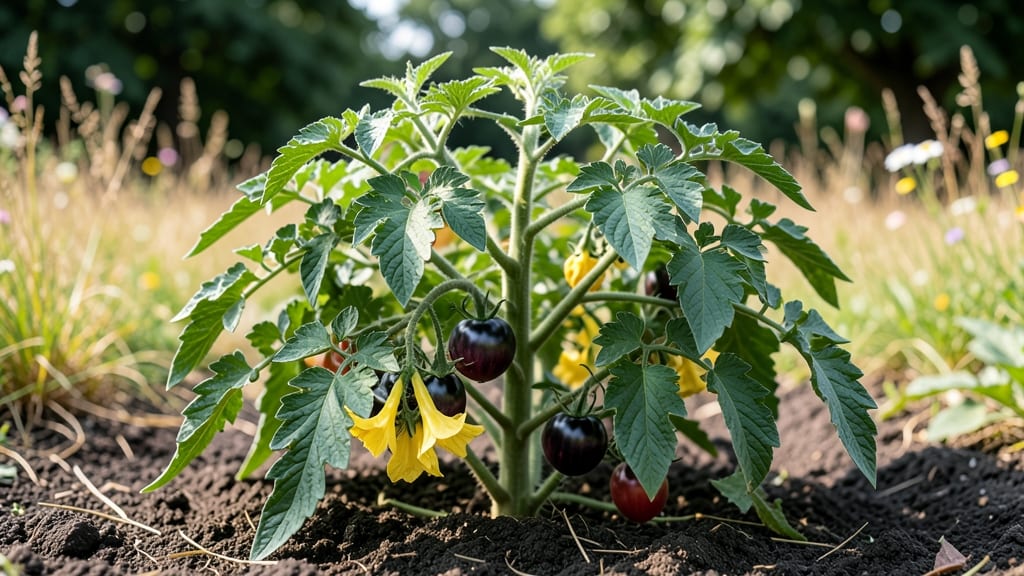
Growing Black Krim heirloom tomatoes unlocks a flavor experience most store-bought varieties can’t match—deep, smoky, and slightly tangy with just a hint of spice. 🌱 I’ve grown them for years, and they thrive even in cooler climates where other tomatoes struggle, making them a standout for gardeners who want bold taste without sacrificing hardiness.
The secret lies in their adaptability: they handle cooler temperatures better than most tomatoes and even produce fruit in short-season areas.
Start with rich, well-draining soil mixed with compost—Black Krims love nutrients but hate soggy roots. Plant after your last frost when soil reaches 60°F, spacing plants 24-36 inches apart to give them room to sprawl.
These tomatoes need full sun (6-8 hours daily) and consistent moisture, but avoid overhead watering to prevent disease. Prune suckers regularly to boost airflow and fruit production, and watch for cracking—it’s common in heirlooms when watering fluctuates.
📚 In This Guide
- What you need
- Instructions
- Tips and common mistakes
- Wrapping up and next steps
What you need
- ● Seeds or Seedlings: 10–20 Black Krim heirloom tomato seeds (or 3–5 seedlings if starting with transplants). Look for organic, non-GMO seeds for best results.
- ● Growing Containers or Soil: Option 1 (Containers): 5-gallon pots or larger (at least 12" deep) with drainage holes. Black Krims thrive in containers!
- ● Option 2 (In-Ground/Beds): Well-draining, fertile soil with a pH of 6.0–6.8. Mix in compost or aged manure for nutrient-rich soil.
- ● Fertilizer: Balanced 10-10-10 fertilizer or compost tea to kickstart growth.
- ○ Optional: Tomato-specific fertilizer (higher in phosphorus/potassium) for flowering/fruiting.
- ● Support Structures: Cages (5–6 ft tall) or sturdy stakes (6–8 ft long) to support vines.
- ○ Trellis (optional but helpful for air circulation).
- ● Mulch: Straw, grass clippings, or black plastic mulch (to warm soil and retain moisture).
- ● Watering Supplies: Drip irrigation system or watering can with a gentle spray nozzle (avoid wetting leaves to prevent disease).
- ● Pruning Tools: Sharp bypass pruners or scissors for trimming suckers and dead leaves.
- ● Row covers or frost blankets for early/late-season protection (especially if growing in cooler climates).
- ● Epsom salt (1 tbsp per plant monthly) for a magnesium boost to prevent blossom-end rot.
- ● Fish emulsion or seaweed extract for a natural growth boost during flowering.
- ● Pest control: Neem oil or insecticidal soap (for hornworms or aphids).
- ● pH test kit to monitor soil acidity (especially if using containers).
Step-by-step guide to growing Black Krim heirloom tomatoes
Here's how I transform Black Krim tomatoes from seed to cold-hardy perennial harvests—using my battle-tested method.
🌱 Step 1: Start Seeds Indoors at the Right Time
Black Krims thrive when started 8-10 weeks before your last frost date—earlier than most tomatoes because they need time to establish strong roots for cold tolerance. I use biodegradable peat pots filled with sterile seed-starting mix, planting 2 seeds per cell at ¼ inch depth.
Keep the soil consistently moist at 70-75°F using a seedling heat mat. Germination takes 7-14 days—longer if your home runs cooler. The moment you see first true leaves (not the initial seed leaves), thin to the strongest seedling per pot. I always keep my trays under grow lights 14-16 hours daily to prevent leggy growth.
☀️ Step 2: Harden Off and Transplant for Cold Resilience
Two weeks before transplanting, begin hardening off seedlings by placing them outside in partial shade for 1 hour daily. Gradually increase exposure over 10-14 days until they can handle 6+ hours of sun and 30°F nights without wilting.
Choose a south-facing location with well-draining soil enriched with compost. Black Krims perform best in full sun but tolerate partial shade better than most varieties. I plant mine 18-24 inches apart in rows 3 feet apart—their sprawling habit needs space. Bury stems 1 inch deeper than the transplant pot to encourage stronger root systems.
💧 Step 3: Water Deeply and Mulch for Cold Tolerance
Water deeply 2-3 times per week until the soil is 6 inches deep and thoroughly moist. Black Krims hate soggy roots but need consistent moisture to develop their cold-hardy traits. I always water at the base, avoiding overhead sprinkling to prevent disease.
Apply 3-4 inches of straw mulch around plants immediately after transplanting. This insulates roots during cold snaps and retains moisture. In fall, I add an extra 2-inch layer of mulch to protect plants through 20°F nights. The mulch also suppresses weeds, which compete for nutrients Black Krims need to overwinter successfully.
✂️ Step 4: Prune Strategically for Perennial Growth
Prune suckers (the shoots that grow between main stems and branches) weekly during active growth to direct energy into fruit production and root development. I remove suckers when they're 2-3 inches long—any longer wastes plant energy. Leave 2-3 main stems per plant for optimal airflow and sunlight penetration.
In late summer, when fruit production slows, I cut back one-third of the plant's height to encourage bushier growth. This pruning triggers new shoots that harden off better for winter. Stop pruning 6 weeks before your first frost to allow plants to recover and store nutrients for overwintering.
🌿 Step 5: Protect and Harvest Through Winter
When temperatures drop below 25°F, cover plants with row fabric or cold frames to protect them. Black Krims can survive down to 10°F with proper protection, but they'll produce less fruit in extreme cold. I remove covers during the day when temperatures rise above 40°F to allow photosynthesis.
Harvest fruit as it ripens—even in winter—to encourage continuous production. Black Krims ripen from green to deep purple-black, and their flavor improves with cold exposure. In spring, remove winter protection gradually to avoid shocking the plants. You'll see new growth within 2-3 weeks of consistent warmth above 50°F.
Tips & tricks for perfect Black Krim heirloom tomatoes
These battle-tested strategies will help you grow Black Krim tomatoes that thrive through multiple seasons.
Timing is Everything: The 8-10 week indoor starting window is non-negotiable for cold-hardy Black Krims. I've learned this the hard way—starting too late means plants won't establish strong roots before winter. Use a frost date calculator to determine your exact start date, and mark it on your calendar. The extra time allows roots to develop the resilience needed to survive winter temperatures down to 10°F.
Lighting Matters: That 14-16 hours of daily grow light isn't just about preventing leggy seedlings—it's about replicating summer daylight conditions. I use LED grow lights on a timer to maintain consistency, especially during shorter winter days. The extra light boosts photosynthesis, helping seedlings develop the energy reserves they'll need to push through cold snaps. Position lights 6 inches above seedlings for optimal intensity.
Transplanting Technique: Burying stems 1 inch deeper than the transplant pot creates a stronger root system that can better withstand winter's chill. This simple trick works because it encourages new root growth along the buried stem section. When transplanting, make sure to firm the soil gently around the base to eliminate air pockets that could stress the plant.
Cold Protection Strategy: The 25°F threshold for covering plants isn't arbitrary—it's when Black Krims start showing stress. I keep row fabric or cold frames handy to deploy at this temperature. During the day when temperatures rise above 40°F, remove covers to allow photosynthesis. This balance prevents heat buildup that could damage plants while still providing protection against freezing nights.
Pro Tips for Heirloom Tomatoes Black Krim
- These battle-tested strategies will help you grow Black Krim tomatoes that thrive through multiple seasons.
- Timing is Everything: The 8-10 week indoor starting window is non-negotiable for cold-hardy Black Krims. I've learned...
- Lighting Matters: That 14-16 hours of daily grow light isn't just about preventing leggy seedlings—it's about replica...
Frequently asked questions
Got questions about growing Black Krim heirloom tomatoes?
You’re not alone! Here are answers to some of the most common queries to help you cultivate these flavorful gems like a pro.
Can Black Krim tomatoes really grow in cold climates?
Black Krim are one of the hardiest heirloom varieties, tolerating temperatures as low as 25°F (-4°C) once established. Start seeds indoors 6–8 weeks before your last frost, then transplant after soil warms to 50°F (10°C). Use row covers or cold frames for extra protection in early spring or fall. With patience, you can harvest into early winter!
How long does it take for Black Krim plants to produce fruit?
From seed to first ripe tomato, expect 80–90 days in ideal conditions. If growing from transplants, you’ll see fruit in 60–75 days. Black Krim thrive in warm weather, so plant after frost risk passes. Pro tip: Pinch off early blossoms to encourage stronger vines and bigger yields later!
What’s the best way to store Black Krim tomatoes?
These tomatoes are best eaten fresh, but you can extend their shelf life with care. Store at room temperature (not the fridge!) in a paper bag for 3–5 days. For longer storage, ferment them into sauces or paste—their deep flavor shines in preserved forms! Warning: Never refrigerate until fully ripe, or their texture and taste will suffer.
Why are my Black Krim leaves turning yellow or spotted?
Yellow leaves often signal overwatering or nutrient deficiencies (like nitrogen or magnesium). Spotted leaves? Likely early blight or septoria leaf spot. Improve airflow, remove affected foliage, and apply a copper fungicide if needed. Prevention tip: Rotate crops yearly and avoid wetting leaves when watering.
Are there alternatives to Black Krim for cold climates?
If Black Krim don’t suit your zone, try these cold-tolerant heirlooms:
- Cherokee Purple – Rich, dark fruit with great cold resistance.
- Siberian – Handles frost better than most, with sweet flavor.
- Brandywine – Large, beefsteak-style tomatoes (needs slightly warmer temps).
Wrapping up and next steps
Growing Heirloom Tomatoes Black Krim isn’t just about reaping delicious, deep-purple fruits—it’s about embracing resilience and flavor in every bite. Whether you’re a seasoned gardener or a curious beginner, these cold-hardy tomatoes prove that great harvests aren’t just seasonal.
With the right techniques, you can enjoy their rich taste year-round, making your garden a true treasure trove.
Now that you’re armed with the secrets to success, roll up your sleeves and start planting! 🌱 Experiment with containers, extend your season, or share your bounty with neighbors—your garden (and taste buds) will thank you. Happy growing!