
Vegetables
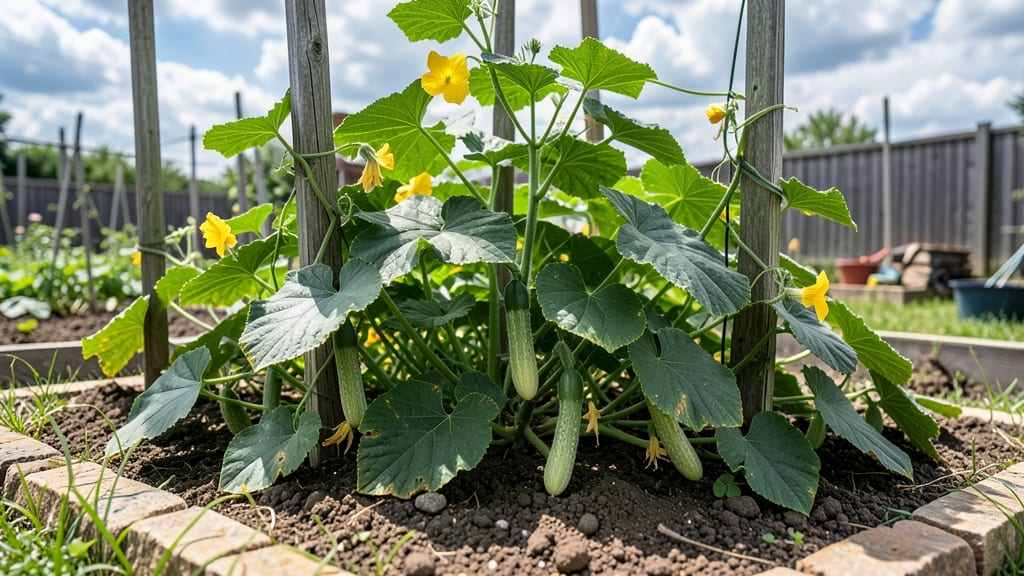
Heirloom cucumber seeds deliver the kind of flavor that makes you question why you ever bought store-bought ones. 🌱 These cold-hardy varieties aren’t just tougher—they’re packed with the sweet, crisp taste that disappears from modern hybrids.
I’ve grown them for years, and the difference is like switching from black coffee to a fresh-brewed cup every morning.
The secret to their success starts with the right soil and spacing. Heirlooms need rich, well-draining soil with plenty of compost—think of it as giving them a nutrient boost to handle their vigorous growth.
Space plants 12-24 inches apart (depending on variety) to avoid crowded vines and improve air circulation, which keeps diseases at bay. Unlike hybrids, heirlooms often produce fewer but higher-quality fruits, so patience pays off.
By mid-summer, you’ll be harvesting cucumbers that taste like summer should—crisp, sweet, and bursting with flavor. The key is consistent watering (deep soaks, not surface splashes) and regular pruning to direct energy toward fruit production.
Save seeds from your best plants, and you’ll have a self-sustaining supply for years. No more bland supermarket cucumbers—just homegrown perfection.
These varieties thrive in both warm and cooler climates, making them versatile for gardeners across zones. Whether you’re growing in a greenhouse, on a trellis, or sprawling in a raised bed, heirlooms adapt beautifully. The only real mistake? Not trying them sooner.
📚 In This Guide
- What you need
- Instructions
- Tips and common mistakes
- Wrapping up and next steps
What you need
- ● Heirloom cucumber seeds: Choose cold-hardy varieties like ‘Armenian,’ ‘Lemon,’ or ‘Straight Eight.’ Buy 5–10 seeds per variety (or more if testing different types).
- ● Seed-starting mix: 1–2 gallons of sterile, well-draining potting soil (avoid garden soil—it can harbor diseases).
- ● Containers or seed trays: Biodegradable pots (3–4 inches deep) or cell trays with drainage holes (10–20 cells).
- ● Grow lights or sunny windowsill: A full-spectrum LED grow light (12–16 hours/day) or a south-facing window for seedlings.
- ● Watering can or spray bottle: With a fine mist setting to keep soil moist but not soggy.
- ● Plant labels & marker: To track varieties (especially if growing multiple types).
- ● Garden gloves: For handling soil and seedlings comfortably.
- ● Trowel or transplant tool: To gently move seedlings without damaging roots.
- ● Row covers or frost cloth: For extending the growing season in cooler climates (1–2 covers per planting area).
- ● Compost or organic fertilizer: Balanced 10-10-10 or compost tea to boost growth (1–2 tbsp per plant at transplanting).
- ○ Trellis or stakes: 4–6 feet tall for climbing varieties (optional but saves space and improves airflow).
- ● pH test kit: To check soil pH (ideal range: 6.0–6.8 for cucumbers).
How to grow cold-hardy heirloom cucumber varieties successfully
Here’s my battle-tested approach to growing heirloom cucumbers that survive cooler springs and deliver reliable harvests.
🌱 Step 1: Select the Right Cold-Hardy Varieties
Not all heirlooms tolerate cool weather equally. I always choose varieties bred for shorter seasons, like 'Tyria' (a compact, disease-resistant type) or 'Northern Pickling' (a true cold-hardy heirloom). These can handle temperatures down to 40°F for brief periods, while tender varieties like 'Straight Eight' will bolt or rot in chilly soil.
Check seed packets for days to maturity—aim for 50-60 days or less. The shorter the season, the more reliable the harvest before frost. I also verify if the variety is parthenocarpic (self-pollinating), which eliminates the need for bees when weather delays their activity.
🌱 Step 2: Start Seeds Indoors for Early Growth
Begin seeds 4-6 weeks before your last frost date in 72°F soil. I use biodegradable peat pots (not plastic) to avoid root disturbance later. Fill them with sterile seed-starting mix—never garden soil, which can harbor fungal diseases that cucumbers hate.
Plant 2 seeds per pot at ½ inch deep, then cover lightly. Mist the surface with water until the mix feels damp but not soggy. Place the pots under a grow light (not just a window) to prevent leggy seedlings. Germination takes 5-10 days—watch for the first true leaves (not the initial seed leaves) before transplanting.
☀️ Step 3: Harden Off and Transplant After Warmth Arrives
Two weeks before transplanting, move seedlings outside for 1-2 hours daily in a sheltered spot. Gradually increase exposure to full sun and wind over 7-10 days. This toughens stems and prevents shock when they hit the garden.
Transplant after soil reaches 60°F—cucumbers refuse to grow in cold soil. Bury stems 1-2 inches deeper than the pot to encourage root development. Space plants 12-18 inches apart for vining types or 24 inches for bush varieties. I always add a 1-inch layer of mulch (like straw) to retain soil warmth and moisture.
💧 Step 4: Provide Consistent Water and Support
Cucumbers need 1-2 inches of water weekly, delivered at the base (never overhead) to prevent mildew. I water in the early morning so leaves dry quickly. Use drip irrigation or soaker hoses—sprinklers spread disease spores.
Install trellises or cages immediately after transplanting. Vining varieties like 'Straight Eight' grow 10+ feet without support, but vertical growth improves air circulation and reduces rot. Prune suckers (side shoots) to direct energy upward—this boosts fruit production and keeps plants compact.
✂️ Step 5: Harvest and Extend the Season
Pick cucumbers when they reach 6-8 inches for best flavor. Use pruning shears to avoid damaging vines. I harvest every 2-3 days—overripe cucumbers trigger bitter flavors and attract pests.
To extend harvests, cover plants with floating row covers at night when temperatures dip below 50°F. Remove covers during the day for pollination. For late-season plants, I also add black plastic mulch in early spring to warm soil faster and jumpstart growth.
Tips & tricks for growing cold-hardy heirloom cucumbers
Real talk: The difference between a thriving cucumber patch and a failed experiment often comes down to these small but critical details.
Variety Selection Matters: When choosing seeds, look beyond just the name—focus on days to maturity and cold tolerance ratings. I've learned the hard way that even "heirloom" labels don't guarantee cold-hardiness. For example, 'Tyria' handles 40°F temperatures better than most, but 'Straight Eight' will struggle below 50°F. Always cross-reference with your local frost dates and growing zone.
Soil Temperature is Non-Negotiable: Those 60°F soil temperatures in Step 3 aren't just a suggestion—they're a biological requirement. I've seen cucumber seedlings sit in 50°F soil for weeks with no growth. Use a soil thermometer to verify before transplanting. If your soil runs cold, consider black plastic mulch laid down 2-3 weeks before planting to warm it faster.
Harden Off Strategically: The 1-2 hours daily hardening period in Step 3 is where most beginners mess up. Instead of just moving plants outside, I recommend starting with 30 minutes on the first day, then adding 30 minutes each subsequent day. This gradual approach prevents transplant shock better than the full 1-2 hours jump. Watch for wilting—if it happens, they're not ready yet.
Watering Wisdom: The 1-2 inches weekly water requirement is a baseline, but timing matters more. I've found that early morning watering (before 8 AM) prevents fungal issues completely. If you must water in the evening, do it at least 3 hours before sunset so leaves have time to dry. Overhead watering? That's a fast track to mildew—always use drip irrigation or soaker hoses.
Pro Tips for Heirloom Cucumber Seeds
- Real talk: The difference between a thriving cucumber patch and a failed experiment often comes down to these small b...
- Variety Selection Matters: When choosing seeds, look beyond just the name—focus on days to maturity and cold toleranc...
- Soil Temperature is Non-Negotiable: Those 60°F soil temperatures in Step 3 aren't just a suggestion—they're a biologi...
Frequently asked questions
Got questions about growing heirloom cucumber seeds? You’re not alone! Here are answers to the most common concerns—from planting to harvest—so you can grow like a pro.
What’s the best time to plant heirloom cucumber seeds?
Most heirloom cucumbers thrive in warm soil (at least 60°F/15°C). Start seeds indoors 4–6 weeks before your last frost date, or direct-sow after all danger of frost has passed. Cold-hardy varieties like ‘Armenian’ or ‘Lemon’ can tolerate cooler temps—just wait until soil warms to 50°F/10°C for these.
How long does it take for heirloom cucumbers to produce fruit?
Expect 50–70 days from seed to harvest for most heirloom varieties, depending on the type. Vining cucumbers (like ‘Straight Eight’) may take longer, while bush varieties (like ‘Bush Champion’) mature faster. Patience pays off—consistent warmth and moisture speed up fruiting!
Can heirloom cucumbers survive frost or cold snaps?
Most heirloom cucumbers are tender annuals and die in frost. However, cold-hardy varieties (e.g., ‘Northern Pickling’ or ‘Corinto’) tolerate light frosts (28–32°F/-2 to 0°C) for short periods. For extra protection, use row covers or grow in containers to move indoors if needed.
What if my heirloom cucumber seeds don’t germinate?
Check these fixes:
- Soil temp: Too cold? Use a seedling heat mat (70–80°F/21–27°C ideal).
- Moisture: Keep soil damp (not soggy) and mist seeds lightly.
- Depth: Plant seeds ½–1 inch deep—too deep = slow sprouting.
- Freshness: Old seeds (2+ years) may fail—test viability with a salt float test.
Can I save seeds from heirloom cucumbers for next year?
Heirloom cucumbers are open-pollinated, so their seeds stay true to type. Scoop out seeds from a fully ripe cucumber, ferment them in water for 3–5 days (this removes pulp), then rinse, dry, and store in a cool, dark place. Label them—varieties like ‘Tyria’ or ‘Evidence’ are great for seed-saving!
Wrapping up and next steps
Growing heirloom cucumber seeds isn’t just about adding flavor to your garden—it’s about preserving tradition, sustainability, and resilience. These cold-hardy varieties reward patience with abundant harvests year after year, making them a gardener’s best friend.
Whether you’re a seasoned green thumb or a curious beginner, now’s the perfect time to plant, nurture, and savor the unique taste of heirloom cucumbers.
Ready to take the next step? Start small—pick one variety, grab those seeds, and let your garden flourish! Share your progress (and your homegrown bounty) with fellow gardeners—you might just inspire someone else to join the heirloom revolution. 🌱