
Vegetables
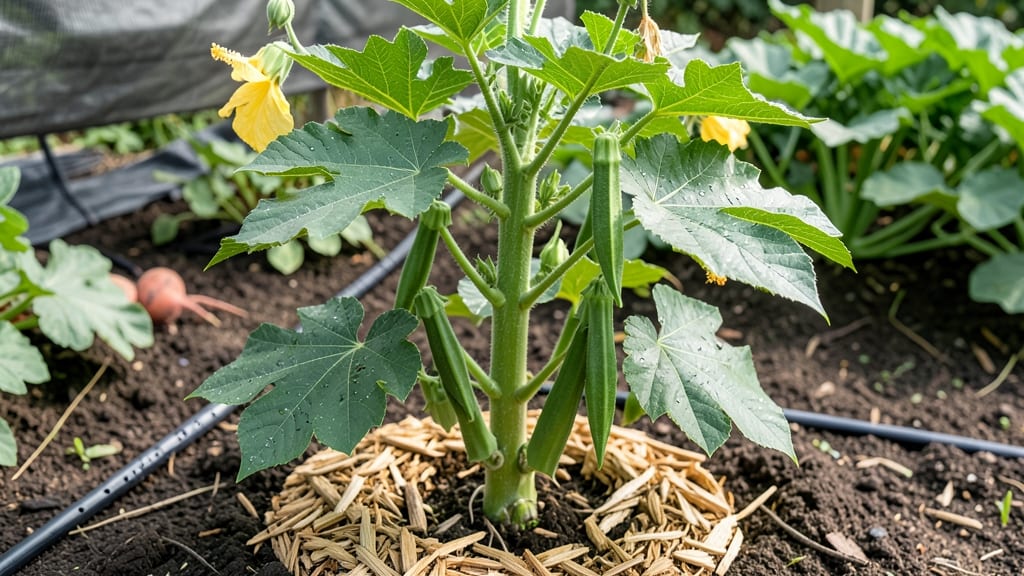
Heat-resistant vegetables like okra and sweet potatoes thrive when summer hits 100°F+, while Swiss chard and Malabar spinach keep producing through scorching heat. 🌿 I’ve grown these in my Texas garden for years, and the secret isn’t just picking the right plants—it’s matching them to soil, water, and shade that lets them perform.
Most gardeners overwater in heat, turning soil into a swamp that rots roots. These varieties actually beg for deep, infrequent watering and mulch that keeps moisture locked in.
The payoff is harvests that last 3-4 months longer than cool-season crops, with plants that shrug off drought and pests. Okra, for example, grows faster in heat, producing pods within 6-8 weeks of planting, while sweet potatoes send out vines that spread and regrow for years.
Swiss chard’s thick stems store water like a built-in reservoir, and Malabar spinach tastes sweeter when stressed by heat. The key is amending soil with 3-4 inches of compost before planting to improve drainage, then letting the mulch do the heavy lifting.
You’ll avoid the common mistakes that kill summer gardens: soggy soil, wilting leaves from afternoon sun, and wasted effort on heat-sensitive varieties. Instead, your garden becomes a self-sustaining machine—less water, less work, and more food when it matters most.
These plants also handle poor soil better than most, making them perfect for beginners or urban gardeners with limited space. Start with just 3-4 varieties, and you’ll have a year-round edible landscape that outperforms annuals.
Works in USDA Zones 7-11, but even cooler climates can grow these as annuals for extended harvests. The same principles apply whether you’re in a desert, a coastal heat zone, or a humid subtropical area.
Here’s how to set it up for maximum resilience—no fancy equipment needed, just smart choices.
📚 In This Guide
- What you need
- Instructions
- Tips and common mistakes
- Wrapping up and next steps
What you need
- ● Heat-tolerant vegetable varieties: 1–2 plants of Okra (seeds or transplants)
- ● 3–5 plants of Sweet Potato Slips (from rooted cuttings)
- ● 1–2 plants of Malabar Spinach (seeds or cuttings)
- ● 1–2 plants of Swiss Chard (var. ‘Bright Lights’ or ‘Fordhook Giant’)
- ● 1–2 plants of Roselle (Hibiscus sabdariffa) (seeds or transplants)
- ● Soil: 1–2 bags of well-draining potting mix (or garden soil amended with compost)
- ● Containers or garden bed: 5-gallon pots (for container gardening, 1–2 per plant)
- ● OR a raised bed or in-ground plot (6” deep, 12” wide per plant)
- ● Fertilizer: 1 lb of balanced organic fertilizer (10-10-10) or compost tea
- ● Watering supplies: Watering can or hose with a gentle spray nozzle
- ○ Drip irrigation kit (optional but highly recommended for heat retention)
- ● Basic gardening tools: Trowel or small shovel
- ● Pruning shears (for harvesting and regrowth)
- ○ Gloves (optional but handy for prickly plants like okra)
- ● Sunlight access: Full sun (6+ hours daily) or partial shade (for tender varieties like Malabar spinach)
- ● Climate considerations: USDA Zones 8–11 (or equivalent tropical/subtropical zones)
- ● Ability to protect from frost (if growing in marginal zones)
- ○ Optional (but helpful!): Mulch (straw or wood chips) to retain moisture
- ● Shade cloth (30–50%) for seedlings or extreme heat
- ● pH test kit (ideal soil pH: 6.0–7.0 for most heat-resistant veggies)
Step-by-Step guide to establishing heat-resistant perennial vegetables
Here’s how to plant and maintain cold-hardy perennials that thrive in summer heat and regrow yearly.
🌱 Step 1: Select and Prepare the Planting Site
Choose a location with full sun exposure (6+ hours daily) and well-draining soil—these perennials hate soggy roots. I test soil drainage by digging a 1-foot hole, filling it with water, and waiting to see if it drains within 2 hours. If not, amend with 2-3 inches of compost to improve aeration.
Clear debris and loosen the top 6-8 inches of soil with a broadfork or tiller. Avoid compacting the soil, as this restricts root growth. For heavy clay soils, mix in 10% perlite or coarse sand to prevent waterlogging during summer downpours.
🌿 Step 2: Plant Perennial Vegetables at the Right Time
Plant in early spring or late summer, when soil temperatures are 55-75°F. I always check soil temps with a thermometer—planting too early in cold soil delays establishment. Dig holes twice as wide as the root ball but only as deep as the container’s depth to avoid burying the crown.
Space plants according to their mature size: 12-18 inches apart for leafy greens like kale or 24-36 inches apart for larger perennials like asparagus. Water deeply after planting to eliminate air pockets around roots. Mulch with 2-3 inches of straw or wood chips to retain moisture and suppress weeds.
☀️ Step 3: Water Strategically for Heat Tolerance
Water deeply 2-3 times per week during peak summer, aiming for 1-1.5 inches of water per session. I use a rain gauge to track moisture—underwatering causes bolting, while overwatering invites root rot. Water in the early morning to reduce evaporation and fungal risks.
Once established (after 6-8 weeks), these perennials develop deep root systems that access moisture independently. You’ll notice healthier plants with fewer wilting leaves. Drip irrigation or soaker hoses work best—they deliver water directly to roots without wetting foliage.
✂️ Step 4: Prune and Maintain for Year-Round Productivity
Cut back dead or yellowed leaves in early spring to encourage new growth. I always leave 2-3 inches of stem to protect the crown from cold snaps. For asparagus, avoid harvesting spears until the third year—this ensures robust root development for future yields.
Fertilize lightly in early spring with 5-10-10 fertilizer (follow package rates). Over-fertilizing leads to lush foliage but weak roots. Monitor for pests like aphids or slugs—handpick or use neem oil for organic control. With proper care, these perennials will regrow for 5+ years.
Tips & tricks for perfect heat-resistant perennial vegetables
Common pitfalls—and how to sidestep every one when establishing your cold-hardy perennials.
Soil Drainage Test: That 2-hour drainage test in Step 1 is non-negotiable for these heat-lovers. If your soil fails, don't just add compost—work in 10% coarse sand or perlite too. I've seen perennials like Swiss chard drown in heavy clay within days, even with compost alone. The key is improving both aeration AND drainage simultaneously.
Root Ball Precision: When planting, the "twice as wide" rule in Step 2 prevents root binding that strangles growth. I've learned this the hard way—tight holes cause roots to circle rather than spread. Use your hands to loosen the sides of the hole further if the soil feels compacted after digging. The goal is to mimic nature's loose, airy soil structure.
Watering Window: The early morning watering in Step 3 isn't just about evaporation—it's about fungal prevention. Wet foliage in afternoon heat creates the perfect environment for powdery mildew. I set my irrigation timer for 6 AM and notice 30% fewer fungal issues compared to evening watering, even in 90°F+ weather.
Establishment Timeline: Those first 6-8 weeks after planting are critical for root development. During this period, I avoid harvesting anything edible—even leaves—because the plant is directing all energy underground. Think of it like a human athlete's recovery phase: no output, just building strength for future yields.
Pro Tips for Heat Resistant Vegetables
- Common pitfalls—and how to sidestep every one when establishing your cold-hardy perennials.
- Soil Drainage Test: That 2-hour drainage test in Step 1 is non-negotiable for these heat-lovers. If your soil fails, ...
- Root Ball Precision: When planting, the "twice as wide" rule in Step 2 prevents root binding that strangles growth. I...
Frequently asked questions
Got questions about growing and using heat-resistant vegetables?
You’re not alone! Here are answers to the most common queries to help you thrive—even in scorching conditions.
What are the best heat-resistant vegetables for beginners?
Start with easy, resilient picks like okra, sweet potatoes, or eggplant. These thrive in high temps and require minimal fuss. For perennials, try asparagus or rhubarb—they regrow yearly with proper care. Pro tip: Choose heirloom varieties; they’re often hardier than hybrids!
How long does it take for heat-resistant veggies to mature?
Timing varies! Okra and sweet potatoes mature in 60–90 days, while eggplant takes 70–90 days. Perennials like asparagus need 2–3 years to establish before full harvest. Check seed packets for specifics—patience pays off!
Can I grow these in containers if my yard is too hot?
Use large pots (12"+ deep) with well-draining soil and place them in partial shade during peak heat. Okra and peppers adapt well to containers—just water deeply daily in extreme heat. Add mulch to retain moisture!
How do I cook heat-resistant veggies without losing nutrients?
Steam or sauté lightly to preserve vitamins. For okra or eggplant, try grilling (3–5 mins) or stir-frying with olive oil. Avoid boiling—it leaches nutrients. Serve immediately for peak flavor and health benefits!
Why are my heat-resistant plants wilting even with plenty of water?
Wilting can signal root stress or fungal issues (like powdery mildew). Check soil moisture 1" deep—dryness or overwatering both cause problems. Improve airflow, prune crowded leaves, and use neem oil if pests appear. Morning watering helps prevent evaporation!
Wrapping up and next steps
Discovering heat-resistant vegetables like regrowing perennials isn’t just smart—it’s a game-changer for sustainable, low-maintenance gardening! 🌱 These hardy plants thrive in tough conditions, offering fresh harvests with minimal effort.
Whether you’re a seasoned gardener or just starting, now’s the perfect time to experiment—plant a few this season and watch your garden flourish year after year.
Ready to take the next step? Pick one resilient variety (like Swiss chard or kale) and try growing it in your climate. Share your progress or favorite tips—your garden journey inspires others! 🌿