
Vegetables
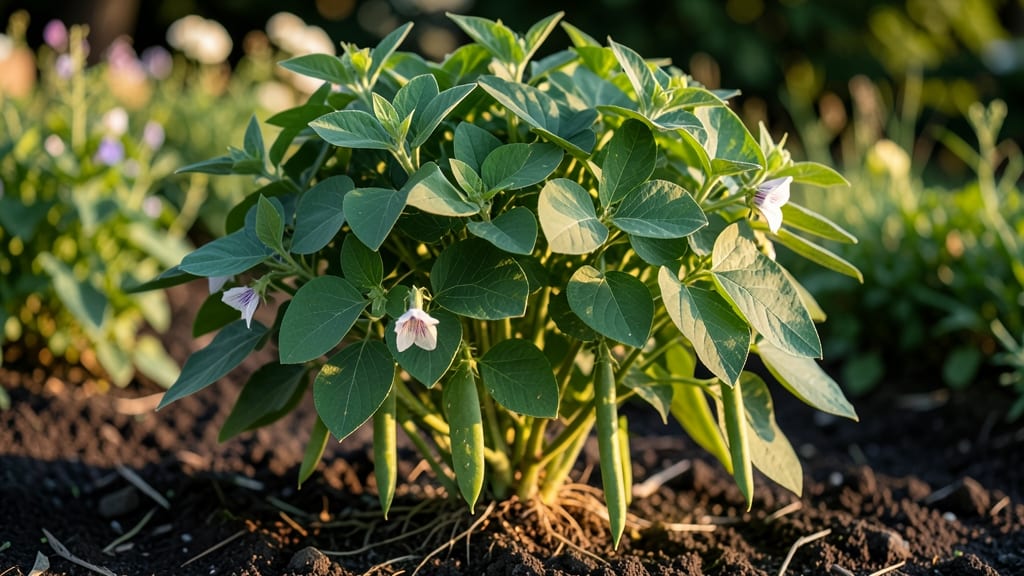
Growing green bean bush seeds gives you a fast harvest that beats store-bought beans every time. 🌱 Last spring, I planted 'Blue Lake' seeds and had my first pods ready in just 45 days—long before the grocery store ever stocked fresh ones.
The secret isn't fancy equipment; it's choosing the right variety, timing, and a little extra care during germination.
Cold-resistant varieties like 'Blue Lake' or 'Contender' germinate well in 50-60°F soil, so you can plant them 2-3 weeks before your last frost. Start with well-draining soil mixed with compost, and plant seeds 1 inch deep, 4-6 inches apart.
A sunny spot with 6-8 hours of light daily is non-negotiable—shady patches mean sparse harvests. Water gently after planting to keep soil moist but not soggy.
Within 7-10 days, you'll see tiny sprouts pushing through the soil. That's when the real work begins: consistent watering (about 1 inch per week) and light mulching to keep roots cool. The first flowers appear in 3-4 weeks, and pods form 10-14 days after that.
If you miss a harvest window, the beans toughen up—so check plants every 2-3 days once they start producing.
This method works for container gardens, raised beds, or in-ground plots, and the same principles apply whether you're in Zone 3 or Zone 9. The key is patience during germination and vigilance once the plants start flowering.
Stick with it, and you'll have beans on the table long before summer ends.
📚 In This Guide
- What you need
- Instructions
- Tips and common mistakes
- Wrapping up and next steps
What you need
- ● Green Bean Bush Seeds: Choose cold-resistant varieties like 'Contender' or 'Blue Lake Bush'. Aim for 50-100 seeds (or more, depending on your garden size).
- ● Well-draining potting mix: A 10-12 quart bag of organic, sterile soil blend (e.g., 60% peat moss, 30% vermiculite, 10% perlite).
- ● Containers or seed trays: For seedlings: 2-4 biodegradable pots (3-4 inches deep) or a 10x20-inch seed tray with drainage holes.
- ● For transplanting: Garden beds or large containers (at least 12 inches deep and 18 inches wide per plant).
- ● Fertilizer: A balanced, slow-release fertilizer (e.g., 10-10-10) or organic options like composted manure or worm castings.
- ● Watering can or spray bottle: With a gentle mist setting for seedlings.
- ● Garden twine or stakes: 4-6 feet long (for trellising, if desired).
- ● Mulch: 2-3 cubic feet of straw, shredded leaves, or grass clippings (to retain moisture and suppress weeds).
- ● Hand trowel: For planting seeds and transplanting seedlings.
- ● Gloves: Gardening gloves to protect your hands.
- ○ Pruners or scissors: For trimming plants (optional but handy).
- ● pH testing kit: To ensure soil pH is 6.0-7.0 (ideal for beans).
- ○ Row cover or frost cloth: For early planting in cold climates (optional but recommended).
- ○ Sunlight meter or app: To track 6-8 hours of sunlight per day (optional but useful).
- ● Location: A spot with full sun exposure (or at least 6 hours of direct sunlight daily).
- ● Soil temperature: Wait until soil is at least 50°F (10°C) (use a soil thermometer if unsure).
- ● Last frost date: Plant seeds 2-3 weeks after the last expected frost in your area.
- ● Space: Ensure 3-4 inches of spacing between plants (or rows) for optimal growth.
How to grow cold-resistant green bean bushes from seed
Here’s how I get bush beans thriving in cooler climates—no waiting for summer heat.
🌱 Step 1: Start Seeds Indoors 4-6 Weeks Before Last Frost
Fill small seed-starting pots with sterile seed-starting mix (not garden soil) and plant 2 seeds per pot just ½ inch deep. Cold-resistant varieties like ‘Blue Lake’ or ‘Contender’ germinate best at 70-80°F, but they’ll still sprout in cooler conditions if you’re patient. Water gently with a spray bottle to avoid displacing seeds.
Cover the pots with plastic wrap or a humidity dome to retain warmth and moisture. Place them in a bright, indirect light spot—like a sunny windowsill or under grow lights. You’ll see sprouts in 7-14 days, depending on your home’s temperature. If germination takes longer than two weeks, the soil may be too cold.
☀️ Step 2: Harden Off Seedlings for Outdoor Planting
Two weeks before your last frost date, move the seedlings outside for gradual acclimation. Start with just 1-2 hours in a sheltered, shaded spot, then increase exposure by 1 hour daily. This prevents shock and ensures strong, resilient plants. Watch for leggy growth—if stems stretch too much, they’re not getting enough light.
By the time you transplant, seedlings should have 3-4 true leaves and a sturdy stem. Cold-resistant varieties tolerate cooler soil better than heat-lovers, but wait until soil reaches at least 50°F before planting. If frost threatens after transplanting, cover plants with frost cloth for protection.
🪴 Step 3: Plant Seedlings in Well-Drained, Fertile Soil
Choose a sunny spot with 6+ hours of direct sunlight—bush beans need full sun to produce well. Space plants 4-6 inches apart in rows 18-24 inches apart to allow airflow and prevent disease. Dig a hole slightly deeper than the root ball and press soil firmly around the base to eliminate air pockets.
Mulch with 2-3 inches of straw or shredded leaves to retain moisture and regulate soil temperature. Cold-resistant varieties handle cooler soils better, but consistent moisture is key—water deeply once a week unless rainfall provides 1 inch. Avoid overhead watering to prevent fungal issues like rust.
✂️ Step 4: Maintain for Fast, Bountiful Harvests
Bush beans mature quickly—50-60 days from transplant—so keep soil consistently moist but not soggy. You’ll know it’s time to harvest when pods reach 4-6 inches long and feel firm to the touch. Pick regularly to encourage more production; left on the vine, beans toughen and lose flavor.
Watch for pests like Mexican bean beetles or diseases like powdery mildew. If you spot holes in leaves, handpick beetles or use neem oil spray for organic control. Cold-resistant varieties handle early-season pests better, but remove damaged leaves promptly to prevent spread.
⏰ Step 5: Extend the Season with Succession Planting
For a continuous harvest, sow new seeds every 2-3 weeks until 6-8 weeks before your first fall frost. Cold-resistant varieties tolerate cooler temperatures, so you can often extend the season into early autumn. Stop planting when nights drop below 50°F consistently—beans won’t mature properly in cold soil.
After harvest, pull up remaining plants and compost them. Avoid planting beans in the same spot next year to prevent soil-borne diseases. Instead, rotate with nitrogen-fixing crops like peas or clover to replenish soil fertility for your next fast-growing green bean crop.
Tips & tricks for perfect cold-resistant green bean bushes
Here's what nobody tells you—these tricks will help you beat the odds and grow thriving green beans even in cooler climates.
Seed Starting Secret: The 70-80°F germination range is ideal, but if your home stays cooler, place pots on a seedling heat mat (set to 75°F) for consistent warmth. I learned this the hard way after watching seeds take three weeks to sprout in my 65°F basement. For extra insurance, soak seeds overnight before planting—they'll germinate faster and more uniformly.
Harden Off Like a Pro: When increasing outdoor exposure in Step 2, place seedlings in a spot that gets morning sun and afternoon shade during the first few days. This gradual transition prevents sunburn while still building resilience. Watch for leaves that curl or yellow—this is your signal to slow down the exposure time. Cold-resistant varieties handle cooler temps better, but abrupt changes still stress plants.
Soil Temperature Matters: That 50°F minimum soil temperature is non-negotiable for cold-resistant varieties, but don't wait until the very last moment. Test soil temperature with a thermometer—if it's hovering around 45°F, wait another day. I've seen beans planted too early develop stunted growth that never recovers. For extra warmth, cover planting areas with black plastic mulch a few days before transplanting to raise soil temperature naturally.
Pest Prevention Strategy: The key to handling Mexican bean beetles and powdery mildew is prevention. In Step 4, I recommend planting bush beans near strong-smelling herbs like thyme or oregano—their scent repels many pests naturally. Also, rotate planting locations yearly to break disease cycles, especially if you've grown beans in the same spot before. This simple rotation prevents soil-borne diseases that can devastate your harvest.
Pro Tips for Green Bean Bush Seeds
- Here's what nobody tells you—these tricks will help you beat the odds and grow thriving green beans even in cooler cl...
- Seed Starting Secret: The 70-80°F germination range is ideal, but if your home stays cooler, place pots on a seedling...
- Harden Off Like a Pro: When increasing outdoor exposure in Step 2, place seedlings in a spot that gets morning sun an...
Frequently asked questions
Got questions about growing green bean bush seeds? You’re not alone! Here are some of the most common queries—plus straightforward answers to help you cultivate a thriving harvest with ease.
When is the best time to plant green bean bush seeds?
For cold-resistant varieties like bush beans, sow seeds after the last frost when soil temps hit 55–65°F (13–18°C). In cooler climates, start indoors 2–3 weeks before transplanting. Pro tip: If your area has short summers, opt for early-maturing varieties (50–60 days) to beat the heat!
How deep and far apart should I plant the seeds?
Plant seeds 1 inch deep and 3–4 inches apart in rows spaced 18–24 inches apart. Bush beans don’t need trellises, so give them room to sprawl. Troubleshooting: Overcrowding leads to poor air circulation—hello, fungal risks! Thin seedlings if needed.
How long does it take for green bean bush seeds to germinate?
Germination usually takes 7–14 days in warm, moist soil (60–85°F). For faster sprouts, pre-soak seeds in water for 4–6 hours before planting. Cold snap? Use a seedling heat mat or cover with row fabric until soil warms up.
Can I grow green bean bush seeds in containers or small spaces?
Bush beans thrive in 5-gallon containers or deeper pots (at least 12 inches deep). Use well-draining soil and plant 2–3 seeds per container. Just ensure they get 6–8 hours of sunlight daily. Space-saving hack: Grow vertically by adding a small trellis (though bush beans aren’t climbers, they’ll appreciate the support!).
What should I do if my green bean plants get pests like aphids or bean beetles?
Start with neem oil or insecticidal soap for mild infestations. For beetles, handpick adults and use row covers early to block egg-laying. Prevention tip: Interplant with marigolds or nasturtiums to deter pests naturally.
How do I know when green beans are ready to harvest?
Harvest when beans are 4–6 inches long and snap easily when bent. Pick every 2–3 days to encourage more production. Overlooking them? Beans turn woody and tough—so stay vigilant!
Wrapping up and next steps
Growing green bean bush seeds is a rewarding journey that brings fresh, nutritious produce right to your doorstep—even in cooler climates! With the right cold-resistant variety and a little care, you’ll enjoy a fast, bountiful harvest in no time.
Whether you’re a beginner or a seasoned gardener, these seeds are your ticket to a thriving garden and homegrown goodness.
Ready to get started? Plant your seeds today and watch your garden transform! For even better results, consider joining a local gardening group or exploring more cold-hardy veggies to expand your green thumb skills. 🌱✨