Vegetables
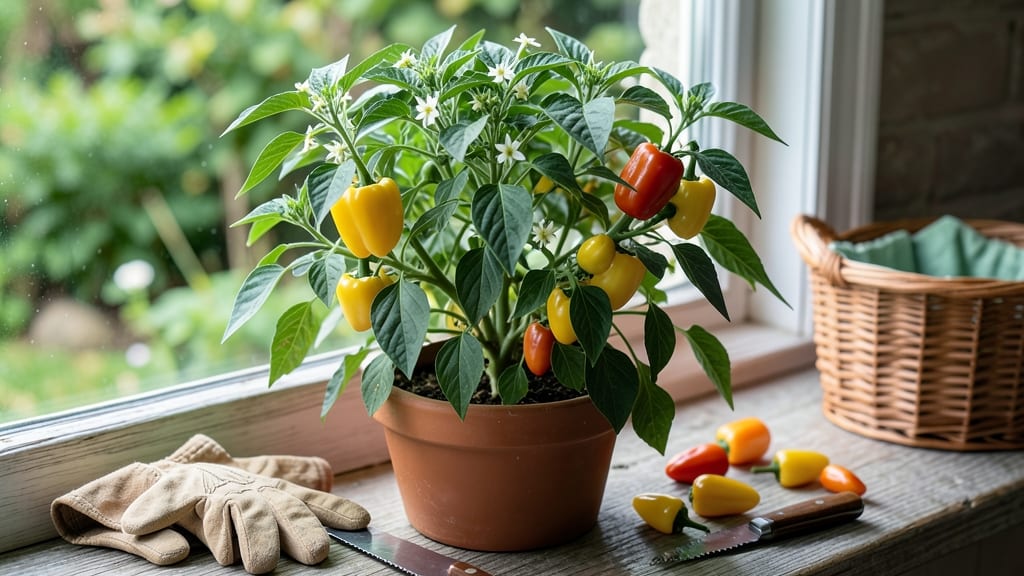
Growing Golden Harvest hot peppers means turning your garden into a fiery treasure chest that keeps giving—even through winter. 🌱 These peppers aren’t just productive; they’re survivors, thriving when others falter, and their color shifts from pale green to golden yellow like nature’s own highlight reel.
The secret lies in treating them like perennials, not annuals, so they reward you with harvests year after year.
Start with well-draining soil rich in organic matter (think composted leaves or aged manure) and a spot that bakes in full sun for at least 6 hours daily. Golden Harvests love heat—both the air and the soil—so wait until nighttime temps stay above 55°F before transplanting.
If your zone’s winters are harsh, bring potted plants indoors near a sunny window or grow light during dormancy. The payoff? Bushy plants that produce hundreds of peppers per season once established.
Watering is where most gardeners trip up—these peppers hate soggy roots but despise drought too. Keep soil consistently moist (not waterlogged) and fertilize lightly every 2-3 weeks with a balanced organic fertilizer.
Prune suckers early to focus energy on fruit production, and watch for blossom end rot by ensuring calcium levels stay balanced. With the right care, you’ll harvest peppers from early summer through frost (or later if you extend the season indoors).
The real magic happens when you let them overwinter. In mild climates, mulch heavily and protect from light frosts; in colder zones, dig up plants, trim back, and pot them up for next year’s jumpstart.
These peppers don’t just survive—they thrive, proving that with a little extra care, your harvest can keep giving long after others have given up.
📚 In This Guide
- What you need
- Instructions
- Tips and common mistakes
- Wrapping up and next steps
What you need
- ● Seeds or Seedlings: 10–20 Golden Harvest Hot Pepper seeds (or 5–10 seedlings if starting with transplants).
- ● Growing Medium: 5-gallon pots (2–4) or a raised bed (at least 12" deep, 4' x 8' for optimal spacing).
- ● High-quality potting mix (sterilized, well-draining, with perlite or vermiculite—avoid garden soil!).
- ● Compost or worm castings (1–2 cups per pot/plant for nutrients).
- ● Fertilizer: Balanced organic fertilizer (e.g., 5-5-5 or 3-4-6 NPK ratio).
- ● Slow-release pepper-specific granules (follow package instructions).
- ● Tools: Trowel or small shovel.
- ● Watering can with a rose nozzle (for gentle watering).
- ● Pruning shears (for harvesting and trimming).
- ○ Gloves (optional but highly recommended—these peppers pack heat!).
- ● Environmental Controls (for Year-Round Growing): Grow lights (full-spectrum LED, 12–16 hours/day if indoors).
- ● Heat mat (70–85°F range) for seedlings.
- ● Thermometer/hygrometer (to monitor temperature and humidity).
- ● Mulch (straw or shredded leaves to retain moisture).
- ● Cage or stakes (for indeterminate varieties that may vine).
- ● Neem oil or spinosad (organic pest control for aphids/spider mites).
- ● Seed-starting kit (if germinating indoors).
- ● Food dehydrator (for preserving excess harvests!).
Step-by-step instructions for growing Golden Harvest hot peppers perennially
Here's how I've learned to keep these heat-loving plants thriving through multiple seasons.
🌱 Step 1: Choose the Right Location and Plant with Care
Golden Harvest peppers need full sun (6-8 hours daily) and shelter from strong winds. I plant mine in a spot that gets morning sun and afternoon shade during summer's peak heat—this prevents fruit from sunscald. Dig a hole twice as wide as the root ball but only as deep as the container it came in.
Gently remove the plant from its pot and loosen any circling roots with your fingers. Place it in the hole so the top of the root ball sits 1 inch below soil level. This helps prevent stem rot while keeping the plant stable. Backfill with native soil mixed with 2 inches of compost to improve drainage and fertility.
☀️ Step 2: Provide Consistent Water and Fertility
Water deeply once a week during establishment, aiming for 1-1.5 gallons per plant. The key is keeping the soil evenly moist but not soggy. I check by sticking my finger 2 inches deep—if it feels dry, it's time to water. Mulch with 2-3 inches of straw around the base to retain moisture and regulate soil temperature.
Feed every 4-6 weeks with a balanced organic fertilizer (like 5-5-5) mixed at half-strength. Too much nitrogen makes plants leafy but fruitless. I always water before fertilizing to prevent root burn. You'll see new growth within a week of feeding—that's your signal everything is working.
✂️ Step 3: Prune for Bushier Growth and Better Fruit
Pinch off the first few flower buds when the plant is 12-18 inches tall. This encourages stronger root and stem development before fruiting. Once established, prune 1-2 inches above a leaf node to promote branching. Remove any suckers (shoots growing in the leaf axils) unless you want extra plants—these divert energy from fruit production.
Deadhead spent flowers by snipping the stem ¼ inch above a leaf rather than pulling. This prevents disease and keeps the plant focused on producing new peppers. I prune in the morning when stems are firm and wounds heal faster. Real talk: Your first harvest might be smaller, but subsequent yields will be bigger and more consistent.
🪴 Step 4: Overwinter for Perennial Growth
Before the first frost, cut back stems to 6-8 inches tall and mulch heavily with 6-8 inches of straw or leaves. This protects roots from freezing and insulates against temperature swings. I also wrap young plants with burlap for extra protection during hard freezes.
In early spring, remove the mulch and prune again to 4-6 inches above the ground. New growth will emerge from the base within 2-3 weeks if temperatures stay above 55°F. Water lightly at first—overwatering can rot tender new shoots. You'll know it's working when you see fresh green leaves pushing through the soil.
⏰ Step 5: Harvest and Extend the Season
Pick peppers when they're 3-4 inches long for maximum heat and flavor. Use clean pruners to avoid damaging stems. I harvest every 3-5 days during peak production to encourage more fruit. Store ripe peppers in a cool, dark place for up to 2 weeks—they'll keep producing heat long after they're picked.
For a fall extension, cover plants with floating row covers or a small greenhouse when nights dip below 50°F. This traps warmth and lets you harvest well into autumn. You'll get a second flush of peppers this way, often with even hotter flavors as the plant focuses energy into fewer fruits.
Tips & tricks for growing Golden Harvest hot peppers
These survival hacks will help you coax maximum heat and flavor from your perennial pepper plants.
Sunlight Strategy: Golden Harvest peppers thrive on that 6-8 hours of full sun, but here's the trick: position them where they get morning sun and afternoon shade during peak summer heat (think 10am-2pm). This prevents the classic sunscald that turns fruits into ugly, sunburned messes. I've seen plants in full afternoon sun develop white patches on their peppers—definitely not what you want when you're growing for heat!
Root Ball Placement: That 1-inch-deep planting is critical—don't skip it! The top of the root ball needs to sit just below soil level to prevent stem rot while keeping the plant stable. I learned this the hard way when my first plant wilted dramatically after a heavy rain because the stem was exposed. Pro tip: Loosen those circling roots with your fingers before planting—they'll establish better and spread out properly in the soil.
Watering Wisdom: The once-weekly watering with 1-1.5 gallons might seem straightforward, but timing matters. Water in the morning so the foliage has all day to dry, preventing fungal diseases. And that 2-inch soil check? I use my pinky finger—when it comes out clean, I water. Too much water causes blossom end rot, so aim for that "evenly moist but not soggy" sweet spot.
Fertilizer Timing: The 4-6 week feeding schedule works, but here's what nobody tells you: those first few feedings should be lighter. I start with half-strength fertilizer for the first application, then gradually increase to full strength. This prevents root burn while the plant establishes its root system. And always water before fertilizing—this simple step can mean the difference between thriving plants and crispy brown roots.
Pro Tips for Golden Harvest Hot Peppers
- These survival hacks will help you coax maximum heat and flavor from your perennial pepper plants.
- Sunlight Strategy: Golden Harvest peppers thrive on that 6-8 hours of full sun, but here's the trick: position them w...
- Root Ball Placement: That 1-inch-deep planting is critical—don't skip it! The top of the root ball needs to sit just ...
Frequently asked questions
Got questions about growing Golden Harvest hot peppers? You’re not alone! Here are some of the most common queries—plus quick, actionable answers to keep your plants thriving year-round.
How long does it take for Golden Harvest peppers to mature?
Golden Harvest peppers typically mature in 60–75 days from transplant, depending on climate and growing conditions. In warmer zones, you may see fruit as early as 50 days, while cooler areas could extend this to 90 days. Pro tip: Start seeds indoors 8–10 weeks before your last frost for a head start!
Can I grow Golden Harvest peppers year-round, or do they need a break?
These peppers are perennial in USDA Zones 9–11 and can produce continuously if given consistent warmth (60°F+). In colder zones, overwinter them indoors or use row covers. They don’t need a dormancy period—just protect them from frost! For best results, prune lightly after harvests to encourage new growth.
What’s the ideal temperature range for Golden Harvest peppers?
Golden Harvest thrives in 70–90°F during the day and 60°F+ at night. Below 50°F, growth slows, and fruit may turn bland or fail to set. Use black plastic mulch or greenhouses in cooler climates to retain heat. Heatwave hack: If temps hit 100°F+, provide afternoon shade to prevent stress.
Are Golden Harvest peppers spicy, or are they mild?
These peppers are mild to moderate—typically 1,000–5,000 Scoville units (for comparison, a jalapeño averages 2,500–8,000). They start green, turn yellow when ripe, and develop a sweet, fruity heat. Save seeds! Second-generation plants often get spicier.
Why aren’t my Golden Harvest peppers fruiting?
Common culprits include insufficient sunlight (<10 hours/day), temperature stress (too hot/cold), or lack of pollination. Hand-pollinate flowers with a paintbrush if bees are scarce. Also, check for nutrient deficiencies—add balanced fertilizer (10-10-10) or compost if leaves yellow. Fix it fast: Move plants to sunnier spots and water consistently (1–1.5 inches/week).
Can I grow Golden Harvest peppers in containers?
Use a 5-gallon container minimum (bigger = more peppers). Ensure it has drainage holes and fill with well-draining potting mix. Place in full sun and fertilize every 4–6 weeks. Container pro tip: Rotate pots weekly to prevent leaning.
Wrapping up and next steps
Growing Golden Harvest hot peppers year-round isn’t just possible—it’s a rewarding adventure that brings bold flavors and vibrant heat to your table. Whether you’re a seasoned gardener or just starting, these perennials prove that patience and creativity pay off with bountiful harvests. 🌱✨
Ready to take the next step? Start small—plant a few peppers in containers or extend your season with simple hacks like row covers or indoor lighting. Before you know it, you’ll be sharing your fiery harvests with friends (or daring taste-testers!) and maybe even experimenting with new recipes. Happy growing!