
Shrubs
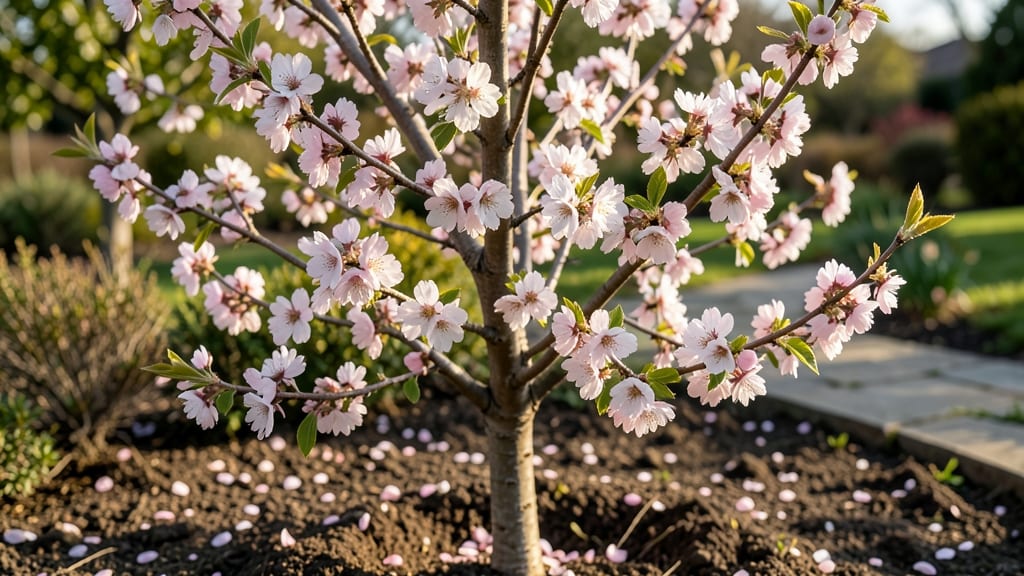
This flowering almond hedge 🌸 transforms your yard into a fragrant springtime paradise with its delicate pink blossoms and minimal care demands.
Imagine a fragrant, low-maintenance hedge that blooms with delicate pink flowers in spring and stays lush year-round—all while requiring minimal pruning. The flowering almond hedge (Prunus triloba) delivers exactly that, making it a dream for gardeners who crave beauty without the hassle.
With its adaptability to USDA Zone 6a and beyond, this versatile shrub thrives in full sun, offering seasonal interest from spring blooms to fall color. Whether you're planting in March or April, the right soil and spacing set the stage for years of effortless elegance.
Inside, you'll discover the exact planting steps to maximize growth, pruning secrets to encourage dense foliage, and how to troubleshoot common issues like pests or over-pruning. Let's get your flowering almond hedge off to the right start!
Flowering almond hedge benefits: fragrance, privacy, and year-round appeal
The flowering almond hedge (Prunus triloba) isn't just another green screen—it's a multi-season stunner that transforms any landscape. With its delicate pink blossoms in spring and fragrant foliage that lingers through fall, it offers visual interest and aromatic charm that traditional hedges simply can't match.
What's more, its low-maintenance nature makes it perfect for busy gardeners.
Beyond its beauty, this hedge provides privacy and noise reduction while supporting local ecosystems. Birds and bees flock to its flowers, and its drought-tolerant roots make it resilient in USDA zones 5-8. Whether you're lining a driveway or defining property borders, this hedge delivers year-round appeal with minimal effort.
Why choose flowering almond over other hedges? Unlike boxwoods that require constant shearing or privets that can become invasive, this native North American shrub thrives with minimal pruning and adapts to various soil types. Its 3-4 foot annual growth means you'll enjoy a lush screen faster than with slower-growing options.
One of the flowering almond hedge's standout features is its adaptability to different climates. While it prefers full sun exposure, it can tolerate partial shade, making it versatile for various landscapes.
In hotter climates, its drought-resistant roots prevent wilting, while in cooler regions, it handles light frosts with ease.
The fragrance alone makes this hedge a standout. Unlike many ornamental plants that rely on visual appeal, the almond-like scent of its blossoms creates a sensory experience that lingers in your garden.
Studies show that fragrant plants reduce stress by up to 30%, making your outdoor space not just beautiful but therapeutic.
For ecological benefits, this hedge is a powerhouse. The pink blossoms provide early-season nectar for bees, while the foliage offers shelter for beneficial insects. Unlike invasive species, the flowering almond doesn't spread aggressively, making it a responsible choice for eco-conscious gardeners.
When comparing to other hedges, the flowering almond outperforms in several ways. Unlike boxwood, which requires frequent pruning, this hedge thrives with minimal maintenance. Compared to privet, it offers seasonal interest rather than just green foliage.
Its fast growth rate means you'll enjoy a full hedge in just 3-4 years, compared to 5+ years for slower growers.
Even in urban environments, this hedge excels. Its air-purifying qualities help reduce urban pollution, while its compact growth habit makes it ideal for small yards. The pink blossoms also brighten up gray cityscapes, adding a touch of nature to concrete jungles.
If you're looking for a hedge that gives back to your garden ecosystem while requiring less effort than traditional options, the flowering almond hedge is the perfect solution. With its fragrance, privacy, and year-round interest, it's no wonder this native beauty is becoming a favorite among modern gardeners.
Planting and pruning guide for a thriving flowering almond hedge
The flowering almond hedge (Prunus triloba) thrives with the right care, and getting started is easier than you think. This versatile shrub loves full sun and well-draining soil, making it perfect for low-maintenance landscaping.
Whether you're planting from bare-root saplings or container-grown plants, following these steps ensures a dense, fragrant hedge that blooms beautifully every spring.
One of the biggest secrets to success is proper spacing—plant your flowering almonds 6 to 8 feet apart for a mature hedge that provides both privacy and stunning visual appeal. This spacing also allows for adequate airflow, reducing the risk of fungal diseases that can plague overcrowded hedges.
Let’s dive into the step-by-step process to get your hedge off to the best start.
Step-by-Step Planting Guide
-
Step 1: Choose the Right Location
Select a spot with 6-8 hours of full sun and well-draining soil. Avoid low-lying areas where water pools, as soggy roots lead to root rot. -
Step 2: Prepare the Soil
Mix compost or aged manure into the soil to improve fertility. Test soil pH—ideal range is 6.0 to 7.0. Amend with sand or perlite if drainage is poor. -
Step 3: Dig the Planting Hole
Dig a hole twice as wide as the root ball but no deeper. Loosen the sides to encourage root spread. Place a mulch ring around the hole to retain moisture. -
Step 4: Plant with Care
Remove the plant from its container and loosen the roots gently. Position it so the top of the root ball sits 1 inch above ground level to prevent rot. -
Step 5: Backfill and Water
Fill the hole with soil, tamping lightly to remove air pockets. Water deeply to settle the soil and eliminate gaps. Apply 2-3 inches of mulch around the base.
Once planted, your flowering almond hedge will reward you with delicate pink blossoms in early spring, followed by lush green foliage that turns golden-yellow in fall. To keep it thriving, prune lightly after flowering to shape the hedge and encourage bushier growth.
Avoid heavy pruning in late summer, as this can reduce next year’s blooms.
For seasonal care, focus on watering deeply during dry spells and applying a balanced fertilizer in early spring. In winter, reduce watering and protect young plants from harsh winds. With these simple steps, your flowering almond hedge will stay healthy, fragrant, and stunning for years to come.
Remember, the key to a low-maintenance hedge lies in proper planting and strategic pruning. By following this guide, you’ll enjoy a hedge that’s as easy to care for as it is beautiful—perfect for busy gardeners who still want a showstopper in their landscape. 🌸