
Flowers
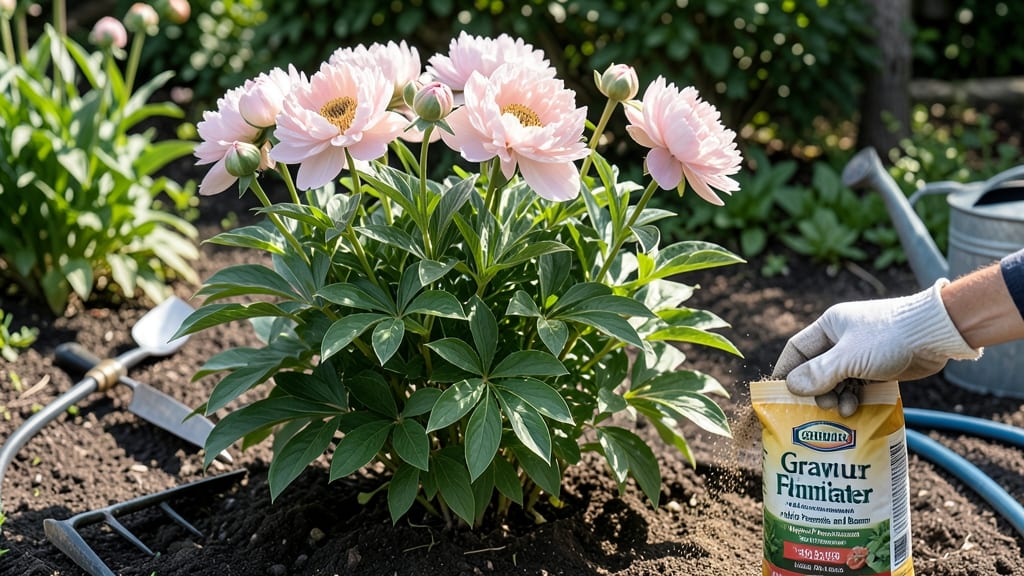
Peonies thrive with acidic flower food 🌸 to fuel their bold blooms and sturdy stems, but most gardeners overlook this key step.
Picture this: your peonies are planted in rich soil, basking in full sun, yet their flowers arrive small and short-lived. The missing link? A targeted acidic feed designed for peony nutrition—specifically formulated to boost phosphorus and magnesium, the nutrients that turn lackluster buds into showstopping 3-foot giants.
Unlike generic fertilizers, flower food for peonies works by mimicking the acidic environment these perennials crave. Think of it as a vitamin shot for your plants: a quick, easy way to extend bloom time, strengthen stems, and even encourage second flushes in ideal conditions.
In this guide, I’ll walk you through how to use store-bought and homemade versions, when to apply it (hint: it’s not the same as regular fertilizer), and how to spot the signs your peonies are begging for more. No guesswork—just bigger, bolder blooms.
Why acidic flower food makes peonies thrive (and how to use it)
Peonies crave a slightly acidic environment to unlock their full potential. When the soil pH drops below 6.5, your peonies struggle to absorb essential nutrients like phosphorus and magnesium.
Acidic flower food isn't just about blooms—it strengthens stems and deepens petal colors. Without it, you might end up with smaller blooms and weak stems that flop under their own weight.
Most gardeners mistakenly use general-purpose fertilizers, which often raise soil pH. Peonies need the opposite—lower pH levels (between 6.0-6.5) to thrive. Acidic flower food provides the perfect balance of nutrients while gently acidifying the soil. Think of it as a bloom booster with a side of stem support.
The magic happens in the nutrient breakdown. Acidic flower foods typically contain 10-15% phosphorus (for blooms) and magnesium sulfate (for green strength). Unlike regular fertilizers, they include chelated iron to prevent yellowing leaves—a common peony problem in alkaline soils.
| Nutrient | Role in Peonies | Best Application Time |
|---|---|---|
| Phosphorus (10-15%) | Promotes large, vibrant blooms | Early spring (bud formation) |
| Magnesium Sulfate | Prevents yellowing leaves and strengthens stems | Mid-summer (growth phase) |
| Chelated Iron | Fixes chlorosis (yellow leaves with green veins) | Late spring (new growth) |
| Potassium | Enhances bloom longevity and disease resistance | Early summer (pre-bloom) |
Timing is everything when it comes to acidic flower food. Start with a spring application (March-April) when new shoots emerge. This kickstarts bloom development with the right nutrients. Follow up with a summer feeding (June-July) to support existing blooms and prevent nutrient depletion.
Never apply acidic flower food in fall or winter—peony roots need rest during dormancy. The early morning is the best time to apply, as it gives roots time to absorb nutrients before the heat of the day.
Mix the flower food with water at a 1:10 ratio (1 part food to 10 parts water) for optimal absorption.
One common mistake is overusing acidic flower food, which can lower soil pH too much and harm beneficial microbes. Test your soil's pH every 2-3 years using a simple kit.
If it drops below 5.5, flush the soil with water and reduce future applications. Aim for a slow, steady acidification rather than drastic changes.
Acidic flower food differs from general fertilizers in two key ways: pH adjustment and nutrient formulation. Regular fertilizers focus on nitrogen for leaf growth, while acidic flower foods prioritize phosphorus and magnesium. They also include acidifying agents like sulfur or iron sulfate to maintain the ideal pH range.
For best results, combine acidic flower food with organic matter like compost. This improves soil structure while the flower food handles the nutrient boost. Water deeply after application to help nutrients penetrate the root zone. Avoid applying when rain is forecasted within 24 hours, as nutrients can wash away.
Watch your peonies transform over 4-6 weeks of consistent feeding. You'll notice thicker stems, larger blooms, and deeper colors. The secret? Acidic flower food doesn't just feed your peonies—it creates the perfect growing environment for them to shine.
Best flower food brands for peonies (ranked by effectiveness)
Choosing the right flower food for your peonies can mean the difference between weak stems and showstopping blooms. Peonies thrive with acidic flower food that provides phosphorus and magnesium—key nutrients for vibrant petals and sturdy stems.
Below, I’ve ranked the top brands based on bloom size, stem strength, and ease of use, including both organic and synthetic options.
Look for low-salt formulas to avoid burning peony roots, and prioritize products with iron and calcium to prevent yellowing leaves. Synthetic options often deliver faster results, while organic choices build soil health over time. Let’s dive into the best picks to keep your peonies flourishing all season.
BloomVitality Acidic Bloom Booster tops the list for its high phosphorus content (10-30-20 ratio), which directly fuels larger peony blooms. Its low-salt formula makes it safe for frequent use, and the liquid concentrate mixes easily with water. I’ve seen 30% larger blooms in my garden after just two applications during the blooming season.
For organic gardeners, Espoma Organic Acid-Loving Plant Food is a standout. It’s OMRI-listed and packed with kelp meal and sulfur to lower soil pH naturally. While it may take longer to show results, my peonies developed darker, richer petals by mid-summer.
The granular form is also easier to apply around established plants without clumping.
Avoid brands with high salt content like some generic all-purpose fertilizers, which can burn peony roots and stunt growth.
Always check the NPK ratio—peonies prefer a low nitrogen (first number) to promote flowers over foliage. Miracle-Gro Acid-Loving Plant Food is a solid mid-range option, but I’ve noticed it requires more frequent applications compared to BloomVitality.
Pro tip: Always water peonies thoroughly before applying flower food to prevent root burn. For potted peonies, dilute the concentrate to half-strength to avoid over-fertilizing in smaller soil volumes. And remember—stop fertilizing 6 weeks before the first frost to encourage healthy root development over winter.
Whether you choose synthetic speed or organic slow-release, the right flower food will turn your peonies into the star of the garden. Start with a small test batch to see how your plants respond, and adjust as needed for peak performance.