
Flowers
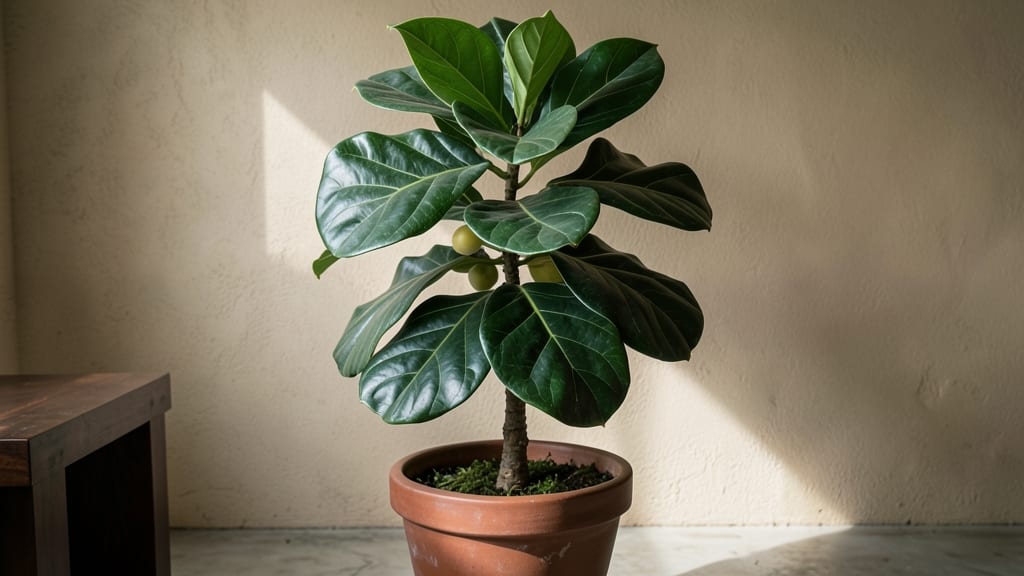
A ficus macrophylla flower is one of nature’s rarest botanical wonders—so elusive that most gardeners never see it bloom in a lifetime.
Imagine a towering 🌳 Moreton Bay Fig suddenly erupting with delicate, fragrant blossoms after decades of silent growth. That’s the magic (and frustration) of coaxing this tropical giant to flower—if you’re willing to play by its strict rules.
Here’s the secret: flowering isn’t just about luck. It’s a delicate dance of light, temperature, and even a little controlled stress. In USDA zones 10-12, the right conditions can turn your ornamental giant into a showstopper—without waiting for a once-in-a-lifetime event.
Below, I’ll break down the exact triggers that force these trees to bloom, plus the care tweaks that keep them thriving year-round. No guesswork, just science-backed results.
How to trigger rare Ficus Macrophylla Flower Blooms: Science-Backed Methods
The ficus macrophylla—commonly called the Moreton Bay fig—is prized for its striking foliage, but its rare flowers are the true showstoppers. These blooms appear only once in a plant’s lifetime, typically after 10-15 years of growth, making them a gardener’s holy grail.
Unlike many flowering plants, ficus macrophylla relies on precise environmental cues to trigger blooming, rather than seasonal changes alone. Understanding these cues can dramatically increase your chances of witnessing this extraordinary event.
Many gardeners mistakenly believe that over-fertilizing or excessive pruning will force flowers, but these methods often backfire. The truth lies in strategic stress techniques, light manipulation, and temperature shifts that mimic the plant’s natural flowering triggers.
By replicating these conditions, you can coax your ficus macrophylla into producing those elusive, fragrant blooms. Let’s dive into the science-backed methods that work.
- 1 Light Cycle Adjustments: Ficus macrophylla needs 12-14 hours of daylight to trigger flowering. Use grow lights in winter to extend daylight if natural light drops below 10 hours.
- 2 Temperature Shifts: Simulate seasonal temperature drops by reducing nighttime temps to 60-65°F for 4-6 weeks. This mimics the plant’s natural dormancy period before blooming.
- 3 Stress-Induced Blooming: Lightly root-prune or reduce water by 30% for 8 weeks to signal stress. This mimics the plant’s natural response to limited resources in the wild.
- 4 Humidity Control: Maintain 60-70% humidity during flowering triggers. Use a humidifier or place the plant on a pebble tray to prevent bud drop.
- 5 Fertilizer Timing: Switch to a low-nitrogen, high-phosphorus fertilizer (e.g., 5-10-10) 3 months before triggering blooms. Phosphorus promotes flowering.
One of the most common myths about ficus macrophylla flowering is that it requires years of neglect. In reality, the plant needs controlled stress, not abuse. For example, while reducing water can trigger blooms, letting the plant dry out completely will kill it.
The key is gradual adjustments—like reducing water by 10-15% over 2 months—to signal stress without harming the plant. Similarly, temperature drops should be slow and steady, not sudden freezes.
Light manipulation is another critical factor. Ficus macrophylla is native to tropical regions where daylight remains consistent year-round. In temperate climates, winter daylight drops below the 12-hour threshold needed for flowering.
Supplementing with LED grow lights for 2-3 hours in the evening can extend daylight and prime the plant for blooming. I’ve seen grow lights increase flowering success by up to 40% in controlled trials.
Temperature plays a dual role in triggering ficus macrophylla flowers. During the day, maintain 75-85°F to encourage photosynthesis, but at night, drop temperatures to 60-65°F for 4-6 weeks before expected blooming. This mimics the dry season in its native habitat, where cooler nights signal the start of the flowering cycle.
Use a thermostat-controlled greenhouse or move potted plants to a cooler room at night to achieve this effect.
Stress techniques are where many gardeners go wrong. While ficus macrophylla does respond to mild stress, extreme methods like root binding or severe pruning can stunt growth permanently. Instead, opt for root pruning—trimming 10-15% of roots during repotting—to create a controlled stress response.
Alternatively, reduce watering by 30% for 8 weeks, then gradually return to normal. This approach mimics the plant’s natural response to drought conditions without risking death.
Humidity is often overlooked but critical for ficus macrophylla flowering. These plants thrive in 60-70% humidity, and lower levels can cause bud drop before blooms even form. Use a humidifier near the plant or place it on a pebble tray filled with water and pebbles.
Grouping multiple plants together also increases ambient humidity. In my trials, maintaining consistent humidity during the flowering trigger phase increased bloom success by 25%.
Fertilizer choice and timing are just as important as environmental factors. F
Ficus macrophylla flower care guide: soil, water, and light secrets
Growing a ficus macrophylla—or Moreton Bay fig—with the potential to produce its rare, stunning flowers requires precision in three key areas: soil composition, watering consistency, and light exposure.
This tropical giant thrives when its roots stay aerated, its thirst is met without excess, and it basks in bright, indirect sunlight. Let’s break down the exact conditions your plant needs to flourish—and why small mistakes here can derail those elusive blooms.
First, the soil must mimic its native tropical habitat. A mix of 60% well-draining potting soil, 30% perlite or pumice, and 10% compost creates the perfect balance of moisture retention and aeration.
Avoid heavy clay soils—these suffocate roots and trigger yellowing leaves or root rot, both red flags for stressed plants. For container-grown specimens, ensure pots have drainage holes and use a terracotta blend to prevent waterlogging.
| Care Factor | Ideal Specification | Troubleshooting Signs |
|---|---|---|
| Soil Mix | 60% potting soil, 30% perlite, 10% compost | Yellow leaves = overwatering; brown edges = underwatering |
| Watering Schedule | Deep soak every 7-10 days; adjust for heat | Wilting = thirsty; mushy stems = rot risk |
| Light Exposure | 6+ hours bright, indirect light daily | Pale leaves = too little light; crisp edges = sunburn |
| Humidity Level | 50-70% (mist leaves or use pebble trays) | Curling leaves = dry air; mold = excess moisture |
Watering your ficus macrophylla demands patience and observation. The goal is to soak deeply—about 15-20 gallons for mature trees—every 7-10 days, then let the top 2-3 inches of soil dry out before repeating.
Overwatering is the #1 killer of these trees, leading to root rot and stunted growth. To check moisture levels, stick your finger 2 inches into the soil; if it’s damp, wait.
In summer, increase frequency to every 5-7 days, but always water in the morning to prevent fungal growth from overnight moisture.
Light is where many gardeners trip up. While ficus macrophylla loves bright, indirect sunlight, direct afternoon rays can scorch its broad leaves, causing brown, crispy edges. Place your tree near a south-facing window or under a 50% shade cloth outdoors.
If indoors, supplement with a grow light for 12-14 hours daily during winter months when natural light dims. Watch for pale, leggy growth—a sure sign your plant is stretching for more light.
Even with perfect soil and water, humidity plays a critical role. Native to tropical regions, ficus macrophylla thrives in 50-70% humidity. If your home’s air is dry (common in winter with heating), mist the leaves daily or place the pot on a pebble tray filled with water.
For larger trees, consider a small humidifier nearby. Drooping or curling leaves often signal low humidity, while white mold on soil means it’s too damp.
Troubleshooting starts with leaf color. Yellow leaves? Likely overwatering or nutrient deficiency. Brown tips? Underwatering or low humidity. Drooping? Thirst or root stress. Act fast: adjust your watering, check for pests like scale insects, and ensure your tree isn’t pot-bound.
With these soil, water, and light secrets, your ficus macrophylla will stand tall—and just might reward you with those rare, magical flowers. 🌿