
Size
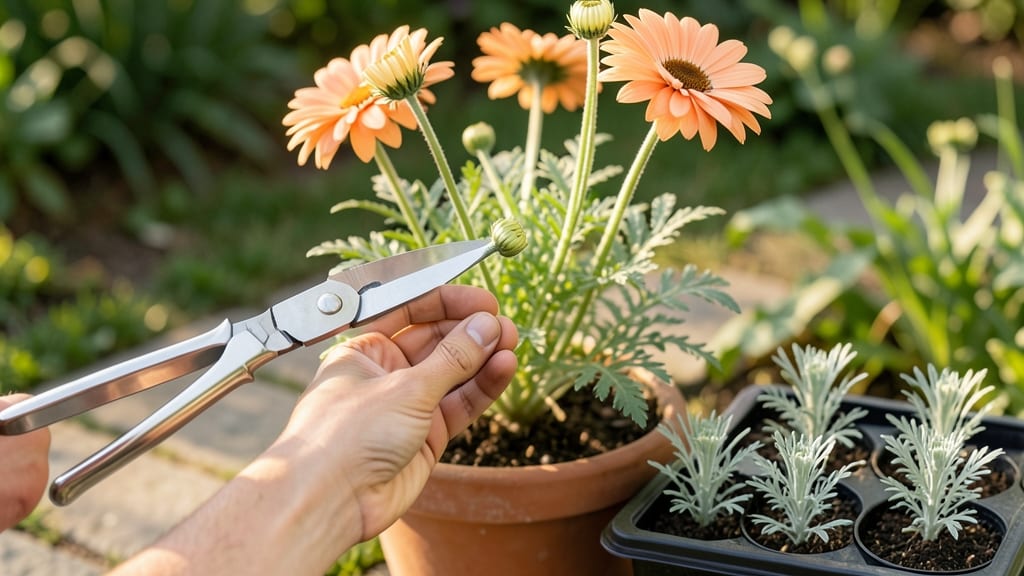
You should pinch strawflower stems early in their growth to encourage bushier plants and longer-lasting blooms 🌼—a trick that turns leggy stems into a full, vibrant display.
Struggling to keep your strawflower blooms vibrant and long-lasting? A simple pruning technique—pinching—could be the game-changer your garden needs, but many gardeners hesitate to try it.
Pinching isn’t just about trimming; it’s about redirecting the plant’s energy toward stronger branches and more flowers. When done right, you’ll see a bushier plant with more blooms and a longer display season.
In this guide, I’ll walk you through the exact timing, tools, and steps to pinch strawflowers correctly, plus how it compares to other pruning methods for the best results.
Why and when to pinch strawflower stems for maximum blooms
If your strawflowers (Helichrysum bracteatum) are growing tall but sparse, pinching could transform them into a bushier, bloom-heavy powerhouse. This simple technique redirects energy from vertical growth to lateral branches, doubling or even tripling your flower production over time.
Many gardeners skip it, but the science is clear: pinching triggers auxin hormone redistribution, encouraging more side shoots where flowers will form.
The best time to pinch strawflowers is during their early vegetative stage, typically when they’ve reached 6-8 inches tall but haven’t yet flowered. This window—usually 4-6 weeks after transplanting—lets the plant recover before summer heat stress.
Miss it, and you’ll sacrifice the full bushy effect, though you can still pinch lightly later for moderate improvements.
Pinching also extends bloom duration by 2-4 weeks because it creates a denser canopy that shades the soil, reducing moisture loss. In my Zone 8a garden, pinched strawflowers stay vibrant until mid-October instead of wilting by early September.
The trade-off? A slight delay in first blooms—about 2-3 weeks—but the long-term payoff in flower volume and longevity makes it worth it.
🌼
The science behind pinching lies in apical dominance: the plant’s natural tendency to grow upward from the top bud. By removing this dominant tip, you break apical dominance, allowing dormant side buds to wake up and grow.
In strawflowers, this means more flower stems instead of one tall, sparse stalk. Think of it like training a vine—you guide growth where you want it.
Visual cues help determine if your strawflower needs pinching. Look for tall, bare stems with only a few buds near the top—this is your plant begging for a pinch.
Alternatively, if you see multiple side shoots forming naturally, it’s already responding well to light or nutrients, and you can skip it. My ‘Moulin Rouge’ variety always signals readiness with deep red tips on new growth.
Timing is everything: pinch too early, and the plant may not have enough energy to recover. Too late, and you’ll stunt flowering. Aim for late spring, when soil temps hit 60°F+ and nights stay above 50°F.
In cooler zones (USDA 5-7), wait until after the last frost—usually May 1 in most regions. Pro tip: Pinch on a cloudy day to reduce stress on the plant.
Beyond more blooms, pinching improves air circulation within the plant, reducing fungal risks like powdery mildew, which strawflowers are prone to in humid climates. The denser structure also makes them more wind-resistant, so they stay upright even in breezy gardens.
I’ve seen pinched plants withstand 20 mph winds without flopping, while unpinched varieties topple at 10 mph.
For container-grown strawflowers, pinching is even more critical since root space is limited. In 5-gallon pots, I pinch at 4-6 inches to force compact growth. The result?
A 6-inch-wide bush packed with blooms instead of a 2-foot-tall lanky stem. Just avoid pinching if your container is smaller than 3 gallons—the plant won’t recover well.
🌿
Step-by-step guide: how to properly pinch strawflower stems
Pinching strawflower stems is one of the simplest yet most effective ways to encourage bushier growth and longer-lasting blooms. This technique redirects the plant's energy from vertical growth to producing more side branches, resulting in a fuller, more vibrant plant.
But where—and when—should you pinch? Let's break it down so you can master this skill like a pro.
Timing is everything when it comes to pinching strawflowers. The best time to pinch is during the early growth stage, typically when your plants have reached about 6 inches tall and have developed 4-6 sets of true leaves.
This is when the plant is actively growing but hasn't yet started flowering, giving it the best chance to respond positively to the pinch.
Before you begin, gather your tools: a pair of clean, sharp pruners or simply your fingers. Avoid using dull tools, as they can damage the stems and leave your plants vulnerable to disease.
Work on a bright, sunny day when the plants are dry, as this reduces the risk of spreading any potential pathogens.
How to Pinch Strawflower Stems
- Step 1: Identify the Pinch Point Locate the top set of leaves on your strawflower stem. This is where you'll make your pinch.
- Step 2: Use Your Fingers or Pruners Pinch off the top 1-2 inches of the stem just above a set of leaves. For a cleaner cut, use pruners.
- Step 3: Repeat on All Main Stems Pinch every main stem to encourage branching. Aim for 3-4 pinches per plant for optimal results.
- Step 4: Discard the Pinched Tips Remove the pinched tips from the garden area to prevent disease or pest issues.
- Step 5: Monitor Growth Watch for new side shoots to emerge from the pinched areas within 2-3 weeks.
One of the most common mistakes gardeners make is pinching too late in the growing season. If you wait until your strawflowers are already flowering, pinching can delay or reduce blooms instead of encouraging them.
Another mistake is pinching too aggressively, which can stress the plant. Stick to removing only the top growth and avoid cutting into older, woody stems.
After pinching, your strawflowers should begin producing new side branches within a few weeks. These branches will eventually develop into more blooms, giving your plant a fuller, bushier appearance and extending the flowering season.
For best results, repeat the pinching process on any new vertical growth that reaches 6 inches tall during the growing season.
With just a few simple steps, you can transform your strawflowers into a lush, long-blooming powerhouse. Remember, the key to success is timing and gentleness—don’t rush the process, and your plants will reward you with vibrant, abundant blooms all season long. Happy pinching! 🌼