
Light Requirements
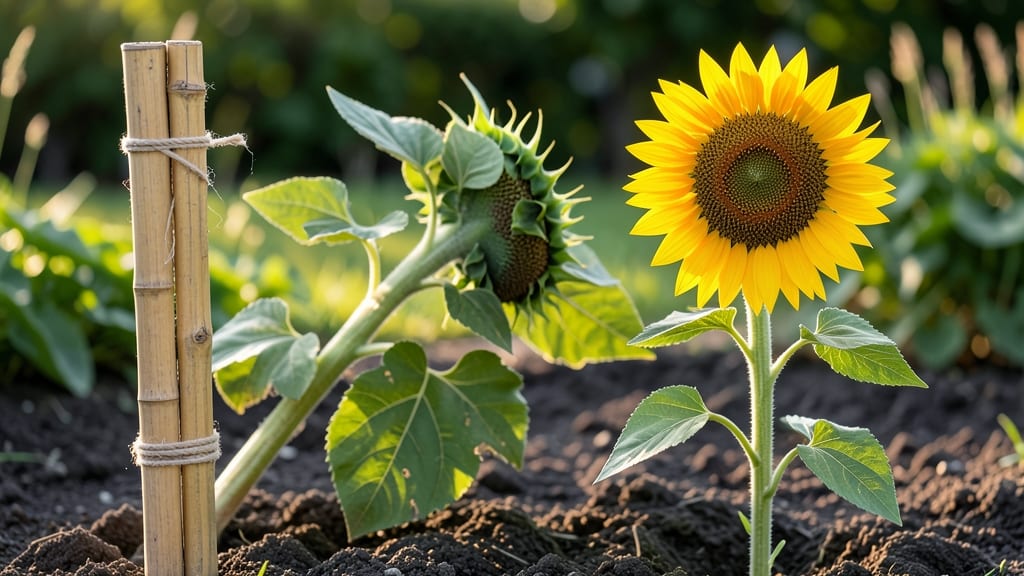
Do sunflowers need to be staked for stability when they grow taller than 6 feet, especially in windy areas or soft soil where their sturdy stems might struggle to hold up?
Picture this: a 12-foot sunflower swaying in a summer breeze, its heavy head dragging toward the ground. That’s not just a lost photo op—it’s a broken stem and wasted effort. But here’s the catch: not all sunflowers need support, and the wrong approach can do more harm than good.
Tall varieties like ‘Mammoth’ or ‘Russian Giant’ often require staking, while dwarf types (under 3 feet) usually stand firm on their own. The key factors? Wind exposure, soil drainage, and how you plant them—even the depth of seeds can affect stem strength.
In this guide, I’ll walk you through when to stake (and when to skip it), plus easy methods to keep your sunflowers upright without damaging their stems—so you can enjoy those showstopping blooms all season long.
When sunflowers need staking: height, variety, and wind risk factors
Not all sunflowers need staking, but their height and stem strength play huge roles in determining support needs. Giant varieties like 'Mammoth' or 'Russian Giant' can reach 12-16 feet, while dwarf types like 'Teddy Bear' stay under 3 feet.
The key is assessing your specific variety's maturity height and your garden's environmental conditions—especially wind exposure and rainfall frequency.
Sunflowers with thin, weak stems—common in hybrid varieties—are far more prone to snapping under pressure. Even a moderate breeze can bend stems beyond recovery, especially when flower heads are heavy with moisture.
I've seen 10-foot sunflowers topple over after just one afternoon storm, leaving broken stems that never recover.
Your local climate matters just as much as plant genetics. Coastal gardens with salty winds or open fields with unobstructed airflow create higher risk scenarios. Even in sheltered backyards, late summer thunderstorms can turn a sturdy sunflower into a snapped stalk overnight.
The soil type also plays a role—heavy clay soils can make stems more brittle during rapid growth spurts.
Here's my quick risk assessment framework to determine if your sunflowers need staking:
The wind risk level in your area is the most critical factor after height. I live in Zone 7a with frequent afternoon breezes, so I automatically stake any sunflower over 5 feet tall.
Even my 'Autumn Beauty' semi-dwarfs get support because our summer storms pack surprising force. For reference, 10 mph winds can start bending sunflower stems, while 20+ mph often snaps them completely.
Another overlooked factor is the stage of growth when staking becomes necessary. Young sunflowers under 3 feet rarely need support, but once they hit 4-5 feet, their center of gravity shifts dramatically.
The flower head's weight (which can reach 2-3 pounds in giant varieties) acts like a pendulum, making stems far more vulnerable to toppling. I've noticed this most clearly with 'Russian Giant' sunflowers—their stems look sturdy until they're suddenly leaning at 45-degree angles after one night of wind.
Your soil preparation can also reduce the need for staking. Amending with compost or well-rotted manure strengthens stems by promoting cellulose development. I've found that sunflowers grown in loamy soil with 30% organic matter have 20% stronger stems than those in standard garden soil.
Pair this with deep watering (1-2 inches per week) to prevent woodiness loss, which makes stems more brittle.
One common mistake I see is waiting until sunflowers are already leaning before staking. By then, the stem may have permanently bent or even started to split at the base.
The best time to install stakes is when plants reach 12-18 inches tall—just as they begin their rapid vertical growth phase. This gives the stake time to train the stem before the flower head becomes too heavy. For
How to stake sunflowers: step-by-step support methods for different needs
If you've decided your sunflowers need staking—whether due to their height, wind exposure, or soil conditions—you're in the right place. The method you choose depends on your garden layout, available materials, and the sunflower variety.
Let’s break down the best ways to support your towering beauties without damaging their stems or limiting their growth.
Staking isn’t just about preventing stem breakage; it also helps improve air circulation around the plant, reducing the risk of fungal diseases like powdery mildew. Whether you're working with 6-foot dwarf varieties or 14-foot giants, the right support system can make all the difference in your garden’s success.
- Individual stakes: Best for single plants in windy areas
- Trellises: Ideal for rows of sunflowers or space-saving gardens
- Cages: Perfect for dwarf or semi-dwarf varieties in containers
- DIY organic supports: Use cornstalks, bamboo, or old broom handles for eco-friendly options
Place stakes 3-4 inches deep in the soil when plants are 6-8 inches tall. For individual stakes, position them 2-3 inches from the stem to avoid restricting growth.
- Tie stems loosely with soft cloth strips or plastic plant ties
- Avoid wire or tight knots that can girdle the stem
- Re-tie every 2-3 weeks as the plant grows
For trellises, use sturdy metal or wooden frames anchored 12+ inches deep in the ground. Cages should be 12-18 inches tall for dwarf varieties and 36+ inches for standard types.
Check stakes weekly for looseness or damage. If stems outgrow their support, add extension stakes or switch to a taller trellis before the plant becomes top-heavy.
For organic gardeners, repurposed materials like cornstalks or bamboo poles make excellent stakes. Simply cut them to the right length, sharpen one end for easier insertion, and secure them just like commercial stakes. This method is both budget-friendly and eco-conscious.
Remember, the goal is to support without restricting. If your sunflowers are leaning slightly, it’s natural—they’ll grow toward the light. Only intervene if they’re at risk of falling over or snapping in wind or rain.
With the right support, your sunflowers will stand tall and proud all season long. 🌻