
Light Requirements
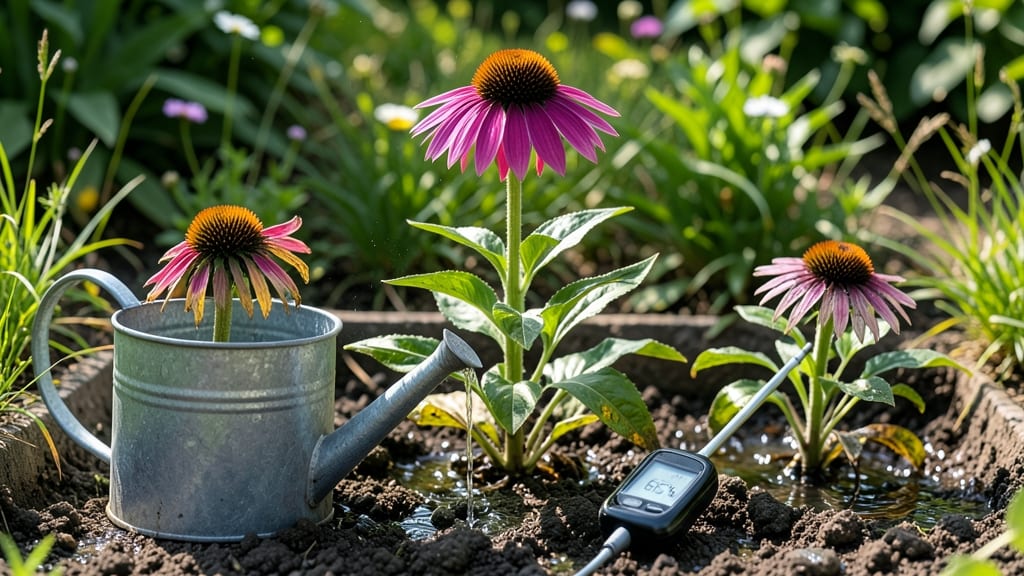
Do coneflowers need a lot of water? Actually, these drought-tolerant beauties 🌼 handle far less water than most gardeners assume once established.
If you’ve ever wondered whether coneflowers require constant watering, you’re not alone. Surprisingly, these hardy perennials thrive with minimal moisture, making them a favorite for low-maintenance gardens. But how much water do they really need, and what happens if you overdo it?
The key is understanding their natural resilience. Young plants need consistent moisture to root, but mature coneflowers can go weeks without water in Zone 6a or drier climates. Overwatering is the real enemy, leading to yellow leaves or fungal issues.
Below, I’ll break down their exact watering needs by season, plus soil and mulching tricks to keep them happy without the fuss. No guesswork—just easy, science-backed care for your vibrant blooms.


How much water coneflowers actually need (and when to adjust)
Coneflowers (Echinacea) are often called the low-maintenance superstars of the garden, and their watering needs prove why. Unlike thirsty annuals, these drought-tolerant perennials can survive with surprisingly little moisture once established.
But that doesn’t mean you should neglect them entirely—especially during their first growing season. Understanding their water needs by growth stage is key to keeping them blooming beautifully year after year.
The biggest watering mistake I see is assuming all coneflowers need the same amount of water. In reality, their needs shift dramatically from seedlings to mature plants.
For example, a newly planted coneflower might need weekly watering, while a 3-year-old plant in well-draining soil could go 3-4 weeks without rain in dry climates. Let’s break down the specifics so you can adjust your watering routine with confidence.
For newly planted coneflowers, the first 4-6 weeks are critical. Their shallow root systems can’t reach deep moisture yet, so aim for 1-2 inches of water per week. Use your finger to check soil moisture—if the top 1 inch feels dry, it’s time to water.
Pro tip: Water early in the morning to reduce evaporation and fungal risks.
Once established (year 2+), coneflowers can handle drought-like conditions far better than most perennials. In my Zone 6a garden, mature plants often survive summer heatwaves with only 1 deep watering every 2 weeks.
The key is encouraging deep root growth early on. If your soil drains poorly, consider amending it with compost or sand to prevent waterlogging.
Regional climate plays a huge role in watering adjustments. In humid Southern gardens, coneflowers may need less frequent watering due to higher natural moisture, while arid Western gardens might require weekly deep soakings even for mature plants.
Always adjust based on your local rainfall and soil type—a simple soil moisture meter can save you from over- or under-watering.
Watch for signs of overwatering like yellowing leaves or mushy stems, which indicate root rot. On the flip side, wilting or crispy foliage signals underwatering. The good news? Coneflowers are forgiving plants—they’ll bounce back quickly if you catch issues early.
My personal rule: When in doubt, water less. These plants are built for resilience, not constant pampering.
Mulching is your secret weapon for efficient watering. A 3-inch layer of organic mulch (like straw or shredded leaves) locks in moisture, regulates soil temperature, and reduces weeds.
I’ve seen coneflowers in mulched beds require 30% less water compared to unmulched plants. Just remember to keep mulch 2-3 inches away from the stem to prevent rot.
One common misconception is that bigger blooms require more water. While adequate moisture supports flower production, overwatering actually reduces blooms by encouraging leafy growth over flowers. For maximum blooms, focus on deep, infrequent watering combined with balanced fertilization in early spring. My Zone 6a plants produce the most flowers
Common watering mistakes that kill coneflowers (and how to fix them)
Coneflowers are famously drought-tolerant, but even these hardy perennials can suffer from watering mistakes. The most common issue? Overzealous gardeners drowning their plants in water. Unlike thirsty annuals, coneflowers resent soggy soil, which leads to root rot and fungal diseases.
I’ve seen beautiful purple blooms wilt simply because they were watered too frequently—don’t let that happen to your garden!
Another frequent mistake is inconsistent watering. Skipping weeks followed by sudden deep soaks confuses the roots and stresses the plant. Coneflowers prefer steady moisture, not dramatic swings. Even worse, poor drainage traps excess water at the roots, creating a deadly environment.
If your soil feels like a sponge that won’t release water, your coneflowers are in trouble.
⚠️ CALLOUT WARNING ⚠️
⚠️ Overwatering Symptoms in Coneflowers
Don’t ignore these red flags—your coneflowers are begging for help!
- Yellowing leaves (especially lower ones)
- Mushy stems at the base
- White fungal growth on soil or stems
- Slow or stunted growth despite full sun
Fix it: Let soil dry completely between waterings. Amend heavy clay soil with sand or perlite to improve drainage.
Let’s talk about the fix: deep but infrequent watering. When you water, soak the soil to a depth of 6-8 inches—this encourages deep root growth. For established plants, once every 7-10 days is often enough, depending on your climate.
In my Zone 6a garden, I water coneflowers every 10 days in summer unless we have a heatwave.
For new seedlings, the rules change. They need consistent moisture to establish roots, but even then, overhead watering can spread disease. Use a watering can with a narrow spout or drip irrigation to deliver water directly to the soil.
Mulch with 2-3 inches of straw or wood chips to lock in moisture and keep roots cool.
Seasonal adjustments are key. In spring and fall, reduce watering to every 2 weeks—coneflowers store moisture in their roots and don’t need frequent drinks. During winter dormancy, skip watering entirely unless your region has freeze-thaw cycles that dry out the soil.
Even then, a light drink once a month keeps them alive without encouraging rot.
Pro tip: Check soil moisture with your finger. Stick it 2 inches deep—if it’s dry, water; if it’s damp, wait. This simple habit saves 90% of watering mistakes.
And if your coneflowers start wilting despite dry soil? They’re likely underwatered, not overwatered. Adjust gradually to avoid shocking the roots.