
Vegetables
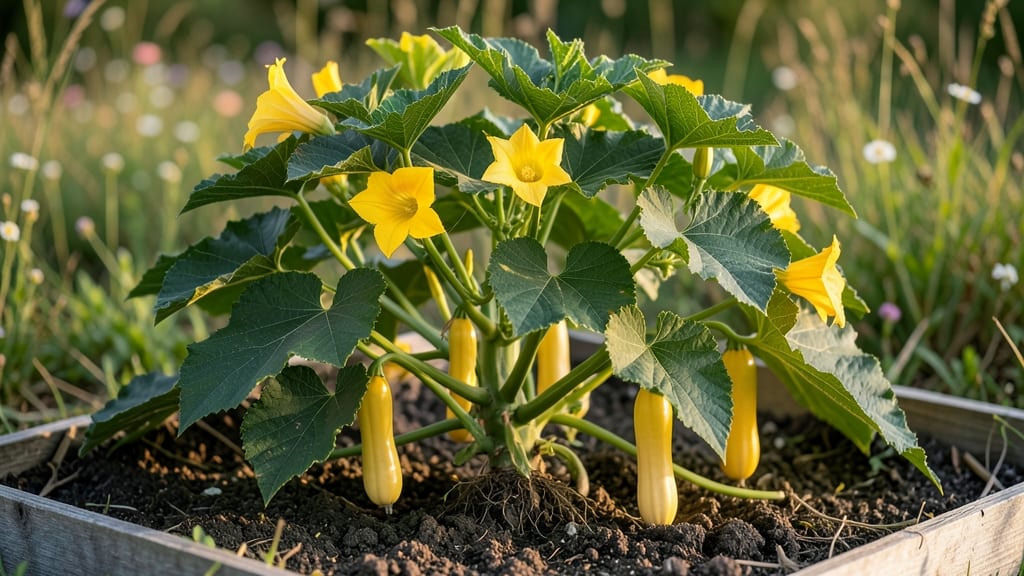
Growing Dixie Hybrid yellow squash means summer harvests without the fuss—this variety thrives in heat and produces 10-12 pounds of squash per plant with almost no effort. 🌱 I planted mine last spring and ended up with more squash than I knew what to do with, and the secret isn’t complicated: it’s all about the soil, spacing, and a little patience.
The first vines appear within weeks, and before you know it, you’re snipping squash that’s sweeter and more tender than store-bought.
This squash handles poor soil better than most varieties, but it still loves well-draining, compost-rich earth—think 50% garden soil, 30% compost, and 20% perlite for ideal conditions.
Space plants 3 feet apart in full sun (at least 6-8 hours daily), and watch those vines spread like a green carpet. Water deeply once a week (more in extreme heat) and fertilize lightly with balanced 10-10-10 every 4-6 weeks. The real magic?
It’s disease-resistant, so you skip the sprays and still get bountiful, blemish-free harvests all season long.
📚 In This Guide
- What you need
- Instructions
- Tips and common mistakes
- Wrapping up and next steps
What you need
- ● Seeds: 5–10 Dixie Hybrid Yellow Squash seeds (or 3–5 plants if starting with transplants).
- ● Soil: Well-draining, fertile garden soil (pH 6.0–7.0). Mix in 2–3 inches of compost or aged manure for nutrients.
- ● Sunlight: Full sun (6–8+ hours daily).
- ● Water: Consistent moisture (1–2 inches per week).
- ○ Support (optional but helpful): Small trellis or stakes (if vines sprawl).
- ● Garden tools: Trowel, pruners, and gloves (for planting/harvesting).
- ● Mulch: Straw or shredded leaves to retain moisture and suppress weeds.
- ● Fertilizer: Balanced organic fertilizer (10-10-10) or compost tea mid-season.
- ● Row covers: Lightweight fabric to protect young plants from pests.
- ● Harvest basket: A sturdy container for plump, ready-to-pick squash!
How to grow Dixie Hybrid yellow squash for zero-fuss harvests
This reliable summer squash thrives with minimal intervention—here's how to coax its prolific yields.
🌱 Step 1: Prepare the Soil for Warm-Season Growth
Dixie Hybrid yellow squash demands rich, well-draining soil with a pH between 6.0-7.0. Work in 2-3 inches of compost or aged manure into the top 12 inches of soil at least 2 weeks before planting. This warm-season crop won't tolerate cold, so wait until after the last frost date when soil reaches 60°F—stick your finger in; if it feels warm to your wrist, it's ready.
For container growing (which works beautifully), fill 5-gallon pots with a mix of 50% potting soil, 30% compost, and 20% perlite. The Dixie variety's sprawling vines need 18+ inches of depth to establish strong roots. I always add a handful of bone meal at planting time to boost phosphorus for vigorous early growth.
☀️ Step 2: Plant Seeds at Proper Depth and Spacing
Sow seeds 1 inch deep, 3-4 feet apart in rows 4-5 feet apart—this spacing prevents powdery mildew by improving airflow. Plant 2-3 seeds per hill (a small mound of soil) since germination rates vary. Dixie Hybrid's vines spread widely, so don't crowd them; you'll regret it when vines compete for sunlight.
After planting, water gently to settle soil around seeds. Keep the planting area consistently moist (not soggy) until germination, which typically occurs in 7-14 days at 70-85°F. You'll know seeds have sprouted when first true leaves (not the initial seed leaves) appear—this is your cue to thin to the strongest seedling per hill.
💧 Step 3: Water Deeply and Maintain Consistent Moisture
Dixie Hybrid yellow squash develops shallow roots, so water 1-2 inches per week, delivering moisture at the base of plants rather than overhead. Use a soaker hose or drip irrigation to prevent wetting leaves, which reduces fungal diseases. Water in the early morning so foliage dries quickly—this is critical for squash varieties prone to mildew.
Let the top 1-2 inches of soil dry between waterings after the plants establish (about 3 weeks after transplanting). You'll see wilting leaves if underwatered, but yellowing leaves signal overwatering. Mulch with 2-3 inches of straw to retain moisture and suppress weeds—this saves time and keeps soil temperatures stable.
✂️ Step 4: Prune and Train Vines for Maximum Yield
Remove suckers (small shoots forming in the leaf axils) to direct energy toward fruit production. Pinch off the first few flowers that appear—this encourages stronger vine growth before harvest. Dixie Hybrid's vines can sprawl 6-8 feet, so train them along a trellis or stakes if space is limited; this also improves air circulation and reduces disease risk.
Harvest when squash reach 6-8 inches long and 1-2 inches in diameter—this is when they're tenderest. Use a sharp knife or pruners to cut stems cleanly; never twist or pull, which damages the vine. Regular harvesting (every 2-3 days during peak production) stimulates more fruit set. I always check for smooth, firm skin and bright yellow color before picking.
🌿 Step 5: Fertilize and Monitor for Pests/Diseases
Side-dress with balanced 10-10-10 fertilizer when plants flower, then switch to a low-nitrogen, high-potassium formula (like 5-10-10) when fruit forms. Dixie Hybrid responds well to compost tea applied every 2-3 weeks for micronutrients. Avoid high-nitrogen feeds—this promotes leafy growth at the expense of fruit.
Watch for cucumber beetles (they transmit bacterial wilt) and squash vine borers. Handpick beetles in the morning when they're sluggish, and wrap stems with aluminum foil at the base to deter borers. If you spot yellowing leaves with brown veins, it's likely bacterial wilt—remove infected plants immediately to prevent spread.
Tips & tricks for growing Dixie Hybrid yellow squash
These battle-tested strategies will help you coax the most prolific harvests from Dixie Hybrid yellow squash with minimal fuss.
Soil Prep Secret: The 2-week composting window before planting is non-negotiable for Dixie Hybrid. I've seen gardeners rush this step and end up with stunted plants. Test your soil pH first—if it's below 6.0, mix in some wood ash or lime to raise it gradually. For containers, that 18+ inch depth requirement is crucial; shallow pots will stress the sprawling vines.
Germination Strategy: Those 7-14 days for germination can feel like forever, but don't be tempted to water heavily during this period. Dixie Hybrid seeds need consistent moisture, not soggy conditions. I use a spray bottle to mist the soil lightly each morning—this keeps seeds moist without creating anaerobic conditions that invite fungal issues. The true leaves appearance is your golden cue to thin.
Watering Wisdom: The 1-2 inch weekly watering guideline assumes average summer conditions. In heatwaves exceeding 85°F, you'll need to increase to 2-3 inches weekly. I check soil moisture by sticking my finger 2 inches down—if it's dry, that's your watering signal. The early morning watering rule is non-negotiable for preventing mildew; I've lost entire plants when I ignored this.
Harvest Hack: Those 6-8 inch squash measurements might seem arbitrary, but harvesting at this size ensures maximum tenderness. I use a small notepad to track harvest dates—when I see 2-3 days passing between harvests, I know it's time to pick more frequently. The bright yellow color is your final quality check; any green streaks mean the squash needs more time on the vine.
Pro Tips for Dixie Hybrid Yellow Squash
- These battle-tested strategies will help you coax the most prolific harvests from Dixie Hybrid yellow squash with min...
- Soil Prep Secret: The 2-week composting window before planting is non-negotiable for Dixie Hybrid. I've seen gardener...
- Germination Strategy: Those 7-14 days for germination can feel like forever, but don't be tempted to water heavily du...
Frequently asked questions
about Dixie Hybrid Yellow Squash—because every gardener deserves clarity before diving in!Is Dixie Hybrid Yellow Squash really perennial?
The Dixie Hybrid is technically biennial in most U.S. zones (it may survive winters in zones 8-10), but it’s often grown as an annual for easier harvests. In colder climates, treat it like a summer squash—plant fresh seeds each spring. Pro tip: Mulch heavily in fall to boost overwintering chances!
How long does it take to harvest?
Expect 45–55 days from seed to harvest for tender, 6–8" fruits. Wait until squash are firm to the touch and deep golden-yellow—they’ll be ready to pick! Overripe squash turn tough and seedy, so check vines every 2–3 days in peak season.
Can I grow Dixie Hybrid in containers?
Use a 5-gallon+ container with drainage holes and fill with well-draining potting mix. Place in full sun (6+ hours/day) and fertilize weekly with compost tea. Watch for: stunted growth if roots get crowded—prune vines to encourage bushier plants.
What pests should I watch for?
Squash bugs and cucumber beetles are the top culprits. Prevent them with:
- Row covers early in the season
- Handpick eggs (tiny, copper-colored clusters under leaves)
- Neem oil sprays (organic, repeat as needed)
How do I store harvested squash?
Store whole, unwashed squash in a cool (50–55°F), dark place for up to 2 weeks. For longer storage, cut and freeze (blanch 2 mins first) or pickle them! Avoid refrigeration—it turns squash mushy.
Wrapping up and next steps
Growing Dixie Hybrid Yellow Squash is like unlocking a low-maintenance, high-reward garden gem—perennial, prolific, and packed with flavor! 🌱 Whether you're a seasoned gardener or just starting out, this squash delivers zero-fuss harvests and a bounty of sunshine-yellow goodness.
Ready to dive in? Start by gathering your supplies and plant a few seeds—your future meals (and bragging rights) will thank you!
Next step: Mark your calendar for planting season and sketch a sunny patch in your garden. Happy growing! 🌞