
Vegetables
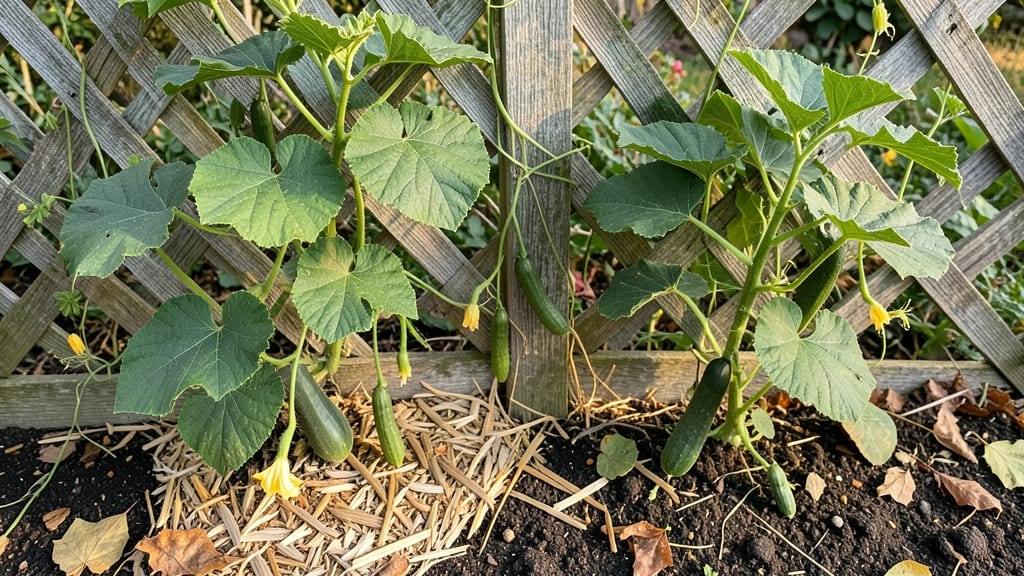
Growing cucumbers and cantaloupes together isn’t just possible—it’s a game-changer for small gardens. 🌱 I’ve seen firsthand how pairing these two vines maximizes space while boosting yields, even in short seasons.
The secret lies in their complementary needs: cucumbers thrive in cooler weather, while cantaloupes love the heat, creating a natural succession that keeps your harvest rolling from early summer through fall.
You’ll need well-draining soil with a pH between 6.0 and 6.8, rich in organic matter, and plenty of sunlight—at least 6-8 hours daily. Both plants are heavy feeders, so mix in compost at planting and side-dress with nitrogen-rich fertilizer mid-season.
Trellising cucumbers saves space and improves air circulation, while cantaloupes spread low to the ground, making them perfect for the edges of your plot.
By mid-July, you’ll be harvesting crisp cucumbers and sweet cantaloupes within weeks of each other. The vines grow aggressively, so plan for 36-48 inches of space per plant, and keep soil consistently moist but never soggy.
A mulch layer retains moisture and suppresses weeds, letting you focus on what matters—those first ripe slices of cantaloupe and crunchy cucumber slices straight from the vine.
This duo works in containers too, making it ideal for balconies or small yards. Just scale down the spacing and choose compact varieties like ‘Straight Eight’ cucumbers and ‘Hale’s Best’ cantaloupes.
The key is patience: cantaloupes take 80-90 days to mature, but the payoff is worth every drop of water and every square foot of space.
📚 In This Guide
- What you need
- Instructions
- Tips and common mistakes
- Wrapping up and next steps
What you need
- ● Seeds or Transplants: Cucumber seeds (50–100, depending on space; choose heirloom or hybrid varieties like ‘Straight Eight’ or ‘Marketmore’)
- ● Cantaloupe seeds (20–30; varieties like ‘Athena’ or ‘Hale’s Best’ work well in most climates)
- ● Soil: Well-draining, fertile soil (pH 6.0–6.8). Mix in 2–3 inches of compost or aged manure before planting.
- ○ Containers (Optional for Small Spaces): Large pots (12–18 inches deep) with drainage holes, or fabric grow bags.
- ● Support Structures: Trellis or stakes (for cucumbers; 6–8 feet tall)
- ○ Cantaloupe cages or slings (optional; helps fruits stay off the ground)
- ● Garden trowel or transplanting spade
- ● Watering can or hose with a gentle spray nozzle
- ● Pruning shears (for trimming vines and dead leaves)
- ● Mulch (straw or black plastic; helps retain moisture and suppress weeds)
- ● Row covers or frost cloth (for early-season protection)
- ○ Optional but Helpful: Soil thermometer (to monitor germination temps)
- ● Drip irrigation system (for consistent watering)
- ● Organic fertilizer (balanced 10-10-10 or compost tea)
- ● Full sun exposure (6–8+ hours daily)
- ● Warm soil temps (at least 60°F (15°C) for germination)
- ● Well-spaced planting area (cucumbers: 12–24 inches apart; cantaloupes: 3–4 feet apart)
- ● Regular watering (1–2 inches per week; keep soil moist but not soggy)
Step-by-step guide to establishing perennial cucumber and cantaloupe plants
Here’s how to set up these vining crops for continuous harvests—no annual replanting required.
🌱 Step 1: Select and Prepare the Ideal Growing Site
Choose a location with full sun exposure (8+ hours daily) and well-draining soil with a pH of 6.0–6.8. Cantaloupes thrive in slightly warmer soil than cucumbers, so I often dedicate two adjacent raised beds—one with black plastic mulch for heat retention and one with straw mulch for moisture retention. Test your soil first; amending with compost improves drainage and fertility.
If your climate has cool springs, install a low tunnel or cold frame over the planting area. This raises soil temperatures by 10–15°F and extends the growing season by 3–4 weeks. Cantaloupes, in particular, need soil temperatures above 70°F to germinate properly—wait until late May or early June in most regions.
🪴 Step 2: Plant Perennial Trellis Systems and Soil Prep
Install permanent trellis structures using 8-foot tall T-posts and heavy-duty netting (1-inch mesh). Cantaloupes need more space than cucumbers—space trellises 10 feet apart in rows, while cucumbers can share the same structure 6 feet apart. I bury the posts 2 feet deep and anchor the netting with zip ties to prevent sagging under fruit weight.
Prepare the soil by mixing in 3 inches of compost and a balanced organic fertilizer (10-10-10) at planting time. Cantaloupes benefit from a phosphorus boost (bone meal) to encourage strong root development. Avoid fresh manure—it can cause nitrogen burn and attract pests. Water the area deeply 24 hours before planting to settle the soil.
☀️ Step 3: Plant Perennial Roots and Early-Season Care
For perennial cucumbers and cantaloupes, plant rooted cuttings in early spring rather than seeds. Select disease-resistant varieties like ‘Straight Eight’ cucumber or ‘Athena’ cantaloupe, which handle heat and humidity better. Dig holes twice as wide as the root ball and place plants at the same depth they grew in their nursery pots.
Mulch heavily with straw or wood chips to retain moisture and suppress weeds. Cantaloupes, especially, need consistent soil moisture—1–1.5 inches per week—but avoid overhead watering after planting to prevent soil-borne diseases. Use drip irrigation instead, keeping the flow directed at the base of the plants. Watch for first true leaves in 7–10 days; this confirms successful root establishment.
✂️ Step 4: Train Vines and Manage Fruit Production
Gently guide vines onto the trellis as they grow, tying them with soft plant ties every 2–3 feet. Cantaloupe vines grow more aggressively—prune side shoots to encourage one main vine per plant, while cucumbers can handle two main vines for higher yields. Remove any suckers (small shoots at the leaf axils) to redirect energy to fruit production.
When flowers appear, hand-pollinate cantaloupes by transferring pollen with a small brush. Cucumbers often self-pollinate, but a light shake of the vine on a warm morning can boost fruit set. Thin fruits early—leave one cantaloupe per vine and two cucumbers per node to prevent overloading the plant. Overcrowded fruits lead to poor development and disease pressure.
💧 Step 5: Maintain Soil and Extend the Harvest Season
Fertilize monthly with a low-nitrogen, high-potassium organic fertilizer (like 5-10-10) to support fruiting. Cantaloupes, in particular, need extra potassium for sweet fruit development. Side-dress with compost every 4–6 weeks to replenish nutrients without disrupting roots.
To extend harvests, use seasonal mulches: switch to black plastic in summer to retain heat and straw in fall to insulate roots. In colder climates, cover plants with frost blankets at night once temperatures drop below 50°F. With these adjustments, you can harvest cucumbers through early fall and cantaloupes until first frost, turning these annuals into near-perennials.
Tips & tricks for year-round cucumber and cantaloupe cultivation
Transforming these warm-season favorites into perennial powerhouses takes strategic planning—and these insights will help you avoid common pitfalls while maximizing your harvest.
Soil Temperature Strategy: The 70°F soil temperature threshold for cantaloupe germination is non-negotiable. Use a soil thermometer to verify conditions before planting rooted cuttings. I've seen cantaloupes fail to sprout when planted too early, even with perfect air temperatures. For cooler climates, consider using a low tunnel to raise soil temps by 10–15°F—this can shave 3–4 weeks off your waiting period.
Trellis Installation Pro Tip: Bury those 8-foot T-posts 2 feet deep and anchor the 1-inch mesh netting with zip ties every 3 feet along the length. I learned this the hard way when cantaloupe vines snapped through loosely tied netting under fruit weight. For cucumbers sharing the same structure, use 6-foot spacing between plants to prevent overcrowding and disease pressure.
Watering Wisdom: Cantaloupes demand 1–1.5 inches of water weekly, but timing matters more than quantity. Water deeply at the base using drip irrigation in the early morning—this prevents fungal diseases that thrive in damp foliage. The 24-hour pre-planting watering is crucial too; it helps settle the soil and creates better root contact for those perennial cuttings.
Fruit Thinning Technique: Don't wait until fruits are visible to thin! Remove excess flowers and small fruits when they're still 1-inch long—this redirects the plant's energy to fewer, larger fruits. For cantaloupes, leave just one per vine; for cucumbers, limit to two per node. I've seen gardeners double their cantaloupe size by thinning aggressively early in the season.
Pro Tips for Cucumber And Cantaloupe
- Transforming these warm-season favorites into perennial powerhouses takes strategic planning—and these insights will help you avoid common pitfalls while maximizing your harvest.
- Soil Temperature Strategy: The 70°F soil temperature threshold for cantaloupe germination is non-negotiable.
- Trellis Installation Pro Tip: Bury those 8-foot T-posts 2 feet deep and anchor the 1-inch mesh netting with zip ties every 3 feet along the length.
Frequently asked questions
Got questions about growing cucumber and cantaloupe together? You’re not alone! Here are answers to the most common queries—from timing to troubleshooting—to help you master this dynamic duo in your garden.
Can cucumbers and cantaloupes grow well together in the same garden bed?
Both thrive in warm soil and share similar care needs, making them excellent companions. Cucumbers act as natural trellises for cantaloupe vines, while cantaloupes deter pests like cucumber beetles. Just ensure they have enough space—cantaloupes sprawl widely, while cucumbers climb vertically.
When is the best time to plant cucumbers and cantaloupes together?
Wait until after the last frost when soil temps hit 60°F+ (15°C+). Cantaloupes are heat-lovers, so plant them slightly after cucumbers (which tolerate cooler starts). For year-round harvests, use row covers early in the season to protect tender seedlings. →
What if my cantaloupe flowers but no fruit develops?
This is often due to poor pollination or temperature stress. Hand-pollinate with a paintbrush, or attract bees with nearby flowers. Also, ensure temps stay 75–95°F (24–35°C)—cantaloupes drop flowers if it’s too hot or cold.
Can I grow cucumbers and cantaloupes in containers?
Yes, but choose large containers (15+ gallons) with great drainage. Cucumbers need vertical space (use trellises), while cantaloupes need 5+ gallons per vine. Opt for bush varieties like ‘Spacemaster’ cucumbers and ‘Minnesota Midget’ cantaloupes to save space.
Why are my cucumbers bitter, even though I’m growing them with cantaloupes?
Bitter cucumbers usually mean overripe or stress from uneven watering, heatwaves, or poor soil. Harvest frequently, mulch to retain moisture, and avoid fertilizing heavily late in the season. Cantaloupes nearby won’t cause bitterness—check your watering schedule instead!
Are there any pests I should watch for when growing these two together?
Keep an eye out for cucumber beetles (they attack both!) and squash vine borers. Use row covers early, plant pest-repellent herbs (like basil), and rotate crops yearly. Cantaloupes can also attract melon worms, so handpick them if possible.
Wrapping up and next steps
Growing cucumber and cantaloupe perennially is a rewarding way to enjoy fresh, homegrown produce year-round! 🌱 With the right techniques—like choosing disease-resistant varieties, optimizing soil health, and leveraging trellises or mulching—you can extend harvests beyond traditional seasons.
Whether you're a beginner or a seasoned gardener, these perennial secrets make it easier than ever to turn your garden into a bountiful oasis.
Ready to take the next step? Start by sketching your garden layout or ordering seeds for your next planting season. Your future self (and taste buds!) will thank you!