
Vegetables
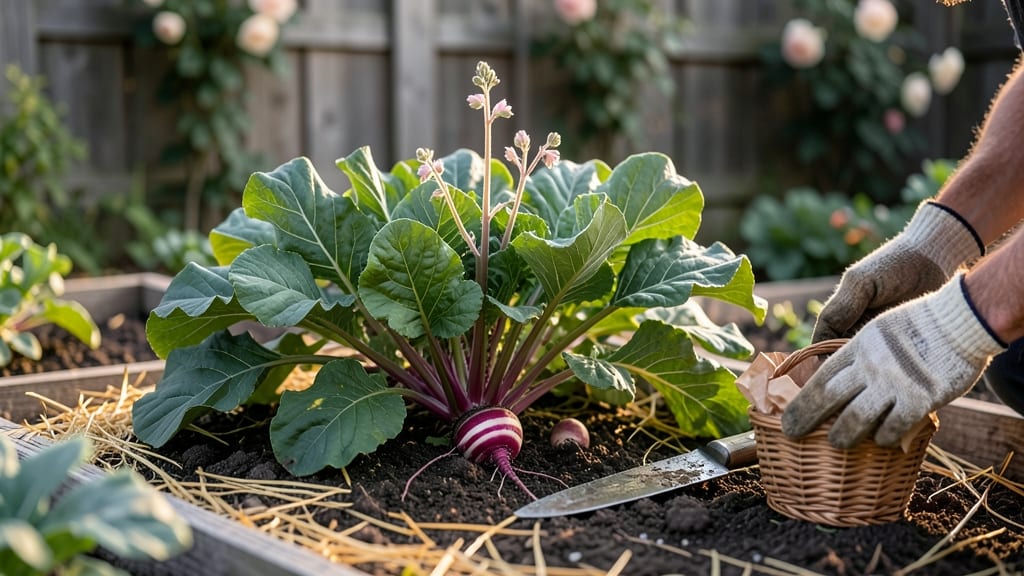
Growing candy stripe beets is like unlocking a secret garden treasure—those stunning white-and-pink striped roots look like edible art. 🌱 I’ve grown them for three winters now, and each harvest feels like uncovering a gift from the earth, especially when snow still lingers in the forecast.
These beets thrive in cooler weather, making them perfect for early spring or fall planting. They need loose, well-draining soil (amend with compost if yours is heavy) and full sun for best results.
The key? Consistent moisture—they hate drying out, but their roots also despise soggy soil. Start seeds indoors 4-6 weeks before your last frost for a head start.
By midseason, you’ll see those signature candy stripes emerging from the soil, and the greens will be ready to harvest first. The roots stay crisp and sweet even after frost, making them a cold-hardy superstar. Try them roasted, pickled, or even raw in salads—they’re as beautiful as they are delicious.
Pro tip: Thin seedlings to 3 inches apart to avoid competition. If you live in a hot climate, opt for fall planting—they’ll appreciate the cooler temps. Once you try candy stripe beets, you’ll never go back to plain red or golden varieties again!
📚 In This Guide
- What you need
- Instructions
- Tips and common mistakes
- Wrapping up and next steps
What you need
- ● Candy Stripe Beet Seeds: 1 packet (typically 50-100 seeds; check seed count on packaging). Look for varieties like Chioggia or Golden Beet for classic stripes.
- ● Growing Containers or Garden Bed: For containers: 6-inch deep pots (1-2 seeds per pot, 6+ inches apart).
- ● For in-ground: Loose, well-draining soil in a sunny spot (6+ hours of sunlight daily).
- ● Compost or Fertilizer: 1 cup of balanced organic fertilizer (e.g., 10-10-10) or compost mixed into the top 6 inches of soil.
- ● Watering Can or Hose: With a gentle spray nozzle for consistent moisture.
- ○ Garden Gloves (optional but recommended): To protect hands while handling soil or thorny beet greens.
- ● Trowel or Hand Fork: For planting seeds and loosening soil.
- ● Ruler or Measuring Tape: To space seeds 1-2 inches apart (thin seedlings later to 3-4 inches).
- ○ Mulch (optional): Straw or shredded leaves to retain moisture and suppress weeds.
- ● Cold-Frame or Row Covers: If starting seeds early in cold climates (Zone 3+).
- ○ pH Test Kit (optional): To ensure soil pH is between 6.0–7.0 (beets prefer slightly acidic to neutral soil).
Step-by-Step instructions for growing candy stripe beets
Here's how to grow these stunning striped beauties with minimal fuss—perfect for cool-season gardens.
🌱 Step 1: Prepare the Soil and Plant Seeds
Beets thrive in loose, well-draining soil with a pH between 6.0 and 7.0. Work in 2-3 inches of compost into the top 6 inches of soil to improve fertility and drainage. Candy stripe beets are cold-hardy, so you can plant them 2-3 weeks before your last frost date—they actually grow better in cooler weather.
Scatter seeds ½ inch deep and 1 inch apart in rows 12 inches apart. I like to use a seed spacing tool to keep things even, but a ruler works too. Beets are slow to germinate, so don’t be surprised if nothing appears for 10-14 days—patience is key! Thin seedlings to 3 inches apart once they reach 2 inches tall to give roots room to grow.
☀️ Step 2: Provide Consistent Moisture and Light
Beets need full sun (6-8 hours daily) for best color development, but they’ll tolerate partial shade in hot climates. Water deeply 1-2 times per week, keeping the soil evenly moist but not soggy. The secret to those bold stripes? Consistent moisture—let the soil dry out, and the stripes fade.
I water in the early morning to reduce evaporation and fungal risks. Mulch with 1-2 inches of straw after thinning to retain moisture and suppress weeds. Avoid overhead watering once seedlings emerge—wet leaves invite powdery mildew, which can ruin your harvest.
✂️ Step 3: Thin and Harvest for Best Results
Thin seedlings to 3-4 inches apart when they’re 2-3 inches tall—this prevents overcrowding and ensures larger, sweeter roots. Use small scissors or your fingers to snip unwanted seedlings at soil level, leaving the strongest stems. Harvest baby beets when they’re 1-2 inches wide for tender greens, or wait 50-60 days for full-sized roots.
To harvest, grasp the beet firmly at the base and twist gently. The greens will pull away easily if the root is ripe. If you leave a few plants in the ground, they’ll keep producing greens for cut-and-come-again harvesting—just snip the outer leaves and let the center regrow.
🌿 Step 4: Extend the Season with Successive Plantings
Candy stripe beets are biennial, meaning they’ll bolt (go to seed) in their second year. To enjoy them all season, make succession plantings every 2-3 weeks until 6-8 weeks before your first frost. In cold climates, they’ll overwinter and resprout in spring—just protect them with row covers if frost threatens.
Save seeds from your best plants by leaving a few beets in the ground until they bolt. The striped pattern is stable, so homegrown seeds will produce true-to-type beets. Store harvested seeds in a cool, dry place for up to 2 years—they’re easy to save and share with fellow gardeners!
Tips & tricks for growing candy stripe beets
These little tricks will help you grow the most vibrant, striped beets your garden has ever seen—no fancy tools required.
Soil Prep Secret: Before planting, mix in a handful of wood ash into the compost for every 2 feet of row. This raises soil pH slightly and gives those stripes an extra boost of intensity. I learned this trick after my first harvest had duller stripes than expected—turns out, beets need that alkaline kick! The 6.0-7.0 pH range in Step 1 is perfect, but this little adjustment makes all the difference.
Germination Hack: Don't be tempted to water seeds immediately after planting—they need that 10-14 day wait to germinate naturally. Instead, use a spray bottle to mist the soil lightly every other day until you see those first tiny sprouts. This keeps moisture right where it needs to be without disturbing the seeds. I've seen seeds wash away completely when people water too soon, so take it slow!
Thinning Technique: When you're thinning seedlings in Step 3, use a pair of clean scissors to cut unwanted plants at soil level rather than pulling them. This prevents disturbing the roots of your keepers and gives you cleaner, healthier plants. I also recommend thinning on a cloudy day—the seedlings handle the stress better than when exposed to hot afternoon sun.
Harvest Timing: For the most intense stripes, harvest your beets when they're between 1-2 inches wide, not waiting for the full 50-60 days. The stripes become more pronounced as the roots mature, but they'll also start to fade if left too long in the ground. I like to harvest baby beets every 2 weeks for continuous color—it's like getting two crops in one!
Pro Tips for Candy Stripe Beets
- These little tricks will help you grow the most vibrant, striped beets your garden has ever seen—no fancy tools requi...
- Soil Prep Secret: Before planting, mix in a handful of wood ash into the compost for every 2 feet of row. This raises...
- Germination Hack: Don't be tempted to water seeds immediately after planting—they need that 10-14 day wait to germina...
Frequently asked questions
Got questions about growing candy stripe beets? You’re not alone! These striking, striped beauties are as fun to grow as they are to eat. Here are some answers to common curiosities to help you cultivate a thriving harvest.
What makes candy stripe beets different from regular beets?
Candy stripe beets
are a Chioggia variety, known for their pink-and-white marbled stripes (like candy canes!). While regular beets have solid red, yellow, or golden flesh, these striped gems add a visual (and culinary) pop—their flavor is just as sweet and earthy. The stripes fade slightly when cooked but remain a stunning centerpiece when raw, thinly sliced!
How long does it take for candy stripe beets to mature?
Most candy stripe beets reach harvest readiness in 50–70 days, depending on your climate and variety. For baby beets (great for salads!), you can harvest as early as 30–40 days when roots are golf-ball sized. Wait until the tops are 4–6 inches tall for full-sized beets. Pro tip: Check soil moisture—dry spells can slow growth!
Can candy stripe beets survive cold weather?
These beets are cold-hardy and thrive in cooler climates (zones 3–10). They can tolerate light frosts and even germinate in soil temps as low as 40°F (4°C). For early spring or fall planting, sow seeds 2–3 weeks before your last frost date. Just avoid planting in extreme heat (above 85°F/29°C), which can cause bolting (flowering too soon).
What can I do if my candy stripe beets turn woody or bitter?
Woody or bitter beets often happen when they’re overmature or stressed. To prevent this:
- Harvest regularly—don’t let them grow past 2–3 inches in diameter.
- Keep soil consistently moist (but not soggy) to avoid stress.
- Avoid thin, crowded plants—space seedlings 2–3 inches apart.
- If they bolt (send up flower stalks), harvest the greens first—they’re still edible!
For a sweeter taste, cook them immediately after harvest—stored beets can develop bitterness over time.
Are there any alternatives if I can’t grow candy stripe beets?
If you’re craving striped beets but want to try something similar, consider:
- Chioggia beets (the same variety, sometimes labeled differently).
- Golden beets (milder, sweeter, and less earthy).
- Red or pink beets (classic varieties like Detroit Dark Red or Bull’s Blood).
- Swiss chard (for colorful, striped greens—try Bright Lights!).
Or, if you’re feeling adventurous, try growing striped radishes (like French Breakfast) for a quick, peppery alternative!
Wrapping up and next steps
Growing candy stripe beets is a rewarding way to add vibrant color and flavor to your garden—even in chilly climates! With the right soil, patience, and care, you’ll soon enjoy their striking stripes and sweet, earthy taste.
Whether you’re a seasoned gardener or just starting, these beets are a fun and delicious experiment.
Ready to take the next step? Plant your seeds this season and watch your garden transform into a rainbow of flavor! For extra inspiration, explore cold-hardy vegetable varieties or share your progress with fellow gardeners online. Happy growing! 🌱✨