
Vegetables
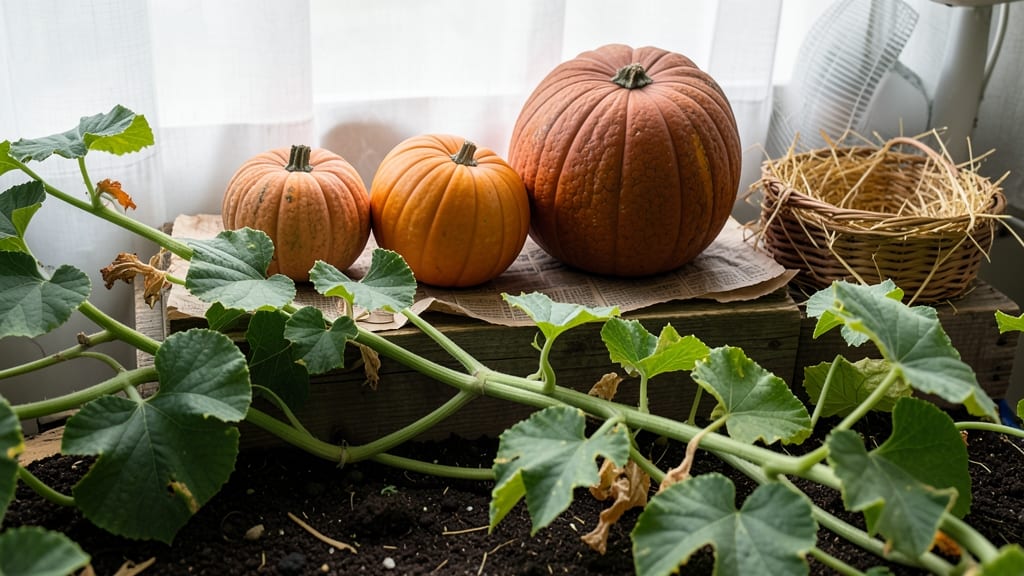
The best way to store pumpkins is in a cool, dry spot where they’ll last for months without rot—no more watching your harvest spoil by Thanksgiving. 🌿 I learned this the hard way when half my pumpkins turned mushy in just two weeks last fall.
The secret isn’t complicated: temperature, airflow, and a little prep work make all the difference between a fresh pumpkin in December and a sad, moldy mess.
You’ll need a dry, well-ventilated area—think garage, basement, or even a covered porch—with temperatures between 50-55°F. Humidity is the enemy, so avoid damp spaces where moisture can seep in and cause rot. A simple trick?
Wipe each pumpkin down with a dry cloth before storing to remove any dirt or moisture that could speed up spoilage. Whole pumpkins store better than cut ones, so leave them intact if possible.
By following these steps, you’ll enjoy pumpkins that stay firm and fresh for 2-3 months—perfect for carving, baking, or adding to soups. The key is checking them every few weeks to toss any that start to soften.
No more wasted harvests, just long-term freshness that makes your pumpkins last until the new year.
This method works for both sugar pumpkins and carving varieties, and it’s just as effective in small spaces as it is in a large storage area. Whether you’re prepping for Halloween or saving pumpkins for winter recipes, this is the foolproof way to keep them fresh.
📚 In This Guide
- What you need
- Instructions
- Tips and common mistakes
- Wrapping up and next steps
What you need
- ● Whole, uncut pumpkins: Choose firm, dry, and unblemished pumpkins (like Sugar Pie or Cinderella varieties for best storage).
- ● Clean, dry storage space: A cool (50–55°F), dark, and well-ventilated area (e.g., basement, garage, or pantry). Avoid refrigeration for whole pumpkins!
- ● Plastic or wooden crates: 2–3 shallow, breathable containers (12"–18" deep) to elevate pumpkins off the ground.
- ● Newspaper or cardboard: Enough to line crates (1–2 sheets per crate) for cushioning and airflow.
- ● Soft cloth or paper towels: For gently drying pumpkins before storage.
- ● Food-grade plastic wrap or breathable fabric: Lightly wrap stems to prevent moisture loss (if pumpkins have open cuts).
- ● Humidity monitor: A small device (or DIY solution like a damp sponge in a sealed bag) to maintain 50–70% humidity.
- ● Labeling tags: To mark pumpkin varieties and storage dates (if storing multiple types).
- ● Pest deterrents: Diatomaceous earth or cedar blocks to keep critters away (especially in outdoor storage).
Step-by-Step guide to storing pumpkins for maximum freshness
Here’s the foolproof method I’ve used for years to keep pumpkins crisp and perfect for months.
🪴 Step 1: Cure Pumpkins Before Storage
First, let your pumpkins cure in a warm, dry spot for 7-10 days. Place them in a single layer where they get indirect sunlight and airflow—think a covered porch or garage shelf. This hardens the skin and prevents rot. I like to leave them in their original patch if possible, but if you’ve harvested them, a cardboard box with holes works too.
Check daily for soft spots or mold. If you find any, remove the pumpkin immediately—it won’t store well. The curing process is critical: uncured pumpkins spoil within weeks. You’ll know they’re ready when the stem is fully dry and the rind feels firm when pressed.
☀️ Step 2: Choose the Right Storage Location
Move cured pumpkins to a cool, dark, and humid space—50-55°F is ideal. A root cellar, unheated basement, or even a closet works if it stays consistently cool. Avoid refrigeration unless you’re storing for longer than 3 months, as the cold can cause moisture loss and mealiness.
Place pumpkins on a wooden pallet or straw to keep them off damp surfaces. If your space lacks humidity, lay a damp towel over them or use a humidifier. The goal is to mimic their natural growing conditions—dry but not dehydrated, cool but not freezing.
🌱 Step 3: Monitor and Rotate Weekly
Inspect your pumpkins every 7-10 days for signs of spoilage—soft spots, mold, or a musty smell. Remove any affected pumpkins immediately to prevent contamination. Use a soft brush to gently clean any dirt or debris that might trap moisture.
Rotate them every 2 weeks so all sides get equal airflow. This prevents uneven drying or rot. If you notice condensation inside your storage space, crack a window or add ventilation. Proper airflow is your best defense against mold.
⏰ Step 4: Know When to Use or Preserve
With proper care, pumpkins can last 2-3 months in ideal conditions. If they start to soften or develop a dull spot, it’s time to use them. For long-term preservation, carve or cook them within 4-6 weeks of storage—this is when their flavor peaks.
If you’re not ready to use them, consider roasting seeds or making pumpkin puree while they’re still fresh. Freezing cooked pumpkin puree is another great option. Never store pumpkins in plastic bags—trapped moisture accelerates spoilage.
Tips & tricks for perfect pumpkin storage
These game-changing strategies will help you extend your pumpkins' freshness and prevent that dreaded mealy texture.
Curing Conditions: The 7-10 day curing period in Step 1 is non-negotiable for long-term storage success. Place pumpkins where they get gentle morning sun and afternoon shade—direct sunlight accelerates drying while full shade can trap moisture. I've found that a covered porch with afternoon shade works perfectly. The goal is to harden the skin without cooking the flesh inside.
Temperature Precision: While the ideal storage temperature is 50-55°F, I've learned that even small variations matter. If your space consistently stays warmer (like 60°F), expect storage life to drop to about 6-8 weeks. For cooler spaces (45°F), you might extend storage to 4 months—but watch for chilling injuries that can make pumpkins mealy. A simple thermometer in your storage area is worth the investment.
Humidity Hacks: The instructions mention using damp towels or humidifiers for humidity control, but here's what nobody tells you—pumpkins actually prefer slightly lower humidity than most houseplants. Aim for 60-70% humidity rather than the typical 80%. Too much moisture creates condensation that leads to mold. A small fan on low setting helps maintain airflow without drying them out completely.
Storage Rotation: The 2-week rotation in Step 3 is brilliant, but I've added a pro tip: mark the date you rotate them on the pumpkin with a soft marker. This creates a visual record of when you last inspected each one. I've saved multiple pumpkins this way that would have otherwise spoiled unnoticed in the back of the storage space.
Pro Tips for Best Way To Store Pumpkins
- These game-changing strategies will help you extend your pumpkins' freshness and prevent that dreaded mealy texture.
- Curing Conditions: The 7-10 day curing period in Step 1 is non-negotiable for long-term storage success.
- Temperature Precision: While the ideal storage temperature is 50-55°F, I've learned that even small variations matter.
Frequently asked questions
How long can I store pumpkins before they spoil?
With proper storage, uncut pumpkins can last 2–3 months in a cool, dry place (like a basement or garage). If refrigerated, they’ll keep for 1–2 months. Once cut, store the flesh in an airtight container in the fridge for up to 5 days or freeze it for 3–6 months.
Can I store pumpkins in the fridge before cutting them?
Yes! Refrigerating whole pumpkins before carving or cooking helps slow moisture loss and spoilage. Just wrap them loosely in a paper towel or place them in a paper bag with a few air holes to prevent condensation. Avoid plastic—it traps humidity and speeds up rot.
What’s the best way to revive a soft or wrinkled pumpkin?
If your pumpkin feels mushy or develops wrinkles, it’s likely dehydrated. Place it in a cool, dark place (like a pantry) for 24–48 hours to rehydrate. If it’s still rock-hard or moldy, it’s best to compost it—soft spots won’t firm up again.
Are there alternatives to storing pumpkins long-term?
For extended storage, try these tricks:
- Freeze pumpkin puree: Cook, blend, and freeze in ice cube trays for easy portioning.
- Dehydrate slices: Bake at 200°F (93°C) for 4–6 hours for shelf-stable snacks.
- Cure and can: Pickled pumpkin or pumpkin relish lasts 12+ months in jars.
Why is my pumpkin moldy even though I stored it properly?
Mold often appears due to high humidity or physical damage (like cuts or bruises). Always inspect pumpkins before storing—discard any with punctures or soft spots. If mold strikes, act fast: remove affected areas, dry the surface, and store in a well-ventilated spot.
Wrapping up and next steps
Storing pumpkins the right way doesn’t have to be complicated—just cool, dry, and patient! Whether you’re saving them for carving, baking, or long-term storage, the key is consistency: keep them whole, well-ventilated, and away from moisture.
With these simple steps, your pumpkins can stay fresh for weeks (or even months) without spoiling.
Now that you’re armed with the best storage tips, why not put them to the test? Grab a pumpkin from your stash and try a new recipe—roasted pumpkin seeds, a cozy soup, or even a festive pie! 🎃✨ Happy storing (and snacking)!