
Vegetables
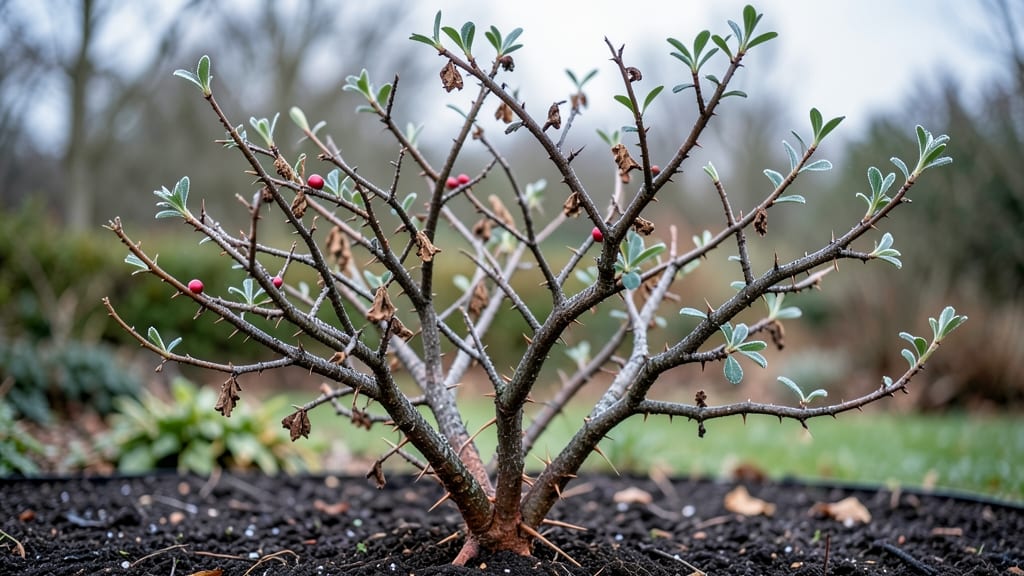
Winter barberry thrives when you prune it right—just after the first hard freeze but before new growth starts. ✂️ I’ve learned the hard way that cutting too early sends fresh shoots into a deep freeze, while waiting too long risks winter dieback.
The key is timing: aim for late December to early January in most climates, when the plant is dormant but still sturdy. Your goal is to shape the shrub while removing dead or crossing branches.
I like to step back first—barberry’s natural form is more interesting than a perfectly manicured box. Cut back about one-third of the oldest stems to encourage fresh growth from the base, but leave some mature branches for structure.
By spring, you’ll see bright red stems and new foliage pushing out within weeks. The plant’s cold hardiness (down to -20°F) means winter stress is rare, but watch for brown, mushy stems—a sign of frost damage or rot.
Mulch lightly with shredded bark to protect roots from extreme cold. This method works for all barberry varieties, from dwarf ‘Superba’ to tall ‘Crispa.’ The secret? Less is more—barberry recovers faster from minimal pruning than from aggressive cuts. Now grab those shears!
📚 In This Guide
- What you need
- Instructions
- Tips and common mistakes
- Wrapping up and next steps
What you need
- ● Barberry plants: Cold-hardy varieties like Berberis thunbergii or Berberis vulgaris (ensure they’re disease-resistant for winter). Quantity: 2–5 plants (depending on space).
- ● Well-draining soil: Mix in compost or aged manure (1–2 gallons per planting hole) to improve fertility and drainage.
- ● Organic mulch: Straw, pine needles, or shredded leaves (2–3 inches thick) to insulate roots from frost.
- ● Pruning shears: Sharp, sterilized shears for trimming dead or overgrown branches in late winter.
- ● Garden gloves: Heavy-duty gloves to protect hands from thorns.
- ● Watering can or hose: With a fine mist nozzle for gentle winter hydration.
- ● Frost cloth: Lightweight fabric to shield young plants from harsh winter winds.
- ● Slow-release fertilizer: Balanced 10-10-10 or organic options (sprinkle in early spring).
- ● Edible barberry berries: Look for Berberis vulgaris (some varieties are non-toxic; verify before consuming!).
- ● Recipe inspiration: A jar of homemade barberry jam or a list of winter stew recipes to enjoy your harvest!
How to care for barberry through winter
Winter isn’t the end for barberry—it’s just a different chapter. With these simple steps, your shrubs will stay healthy and ready to burst with color next spring.
🌿 Step 1: Prune for Structure and Health
Prune barberry in late winter or early spring before new growth appears. I always wait until the worst cold has passed—around February or March depending on your zone. Use clean, sharp pruners to make cuts just above a bud or branch junction. This prevents disease and encourages strong regrowth.
Remove any dead, damaged, or crossing branches first. These compete with healthy growth and can invite pests. Thin out crowded areas to improve airflow—barberry needs space to breathe, especially in winter when moisture lingers. Never remove more than one-third of the plant’s foliage at once, or you’ll stress it.
☀️ Step 2: Protect from Heavy Snow and Ice
Barberry is cold-hardy, but heavy snow or ice can break branches, especially on young plants. I tie burlap or tree guards loosely around the shrub to support its structure. If snow accumulates, gently brush it off with a broom—never shake the plant, or you’ll damage the stems.
Watch for ice buildup on thorns or leaves. A light dusting is fine, but thick layers can weigh branches down. Mulch the base with 2-3 inches of shredded bark or leaves to insulate roots and retain moisture. Avoid piling mulch against the trunk—keep it 2-3 inches away to prevent rot.
💧 Step 3: Water Sparingly in Drought or Freeze-Thaw Cycles
Barberry is drought-tolerant, but prolonged dry spells in winter can stress roots. Water deeply once a month if your area hasn’t had recent snow or rain. Use a soaker hose to deliver moisture slowly—avoid overhead watering, which can freeze and damage leaves.
If your region experiences freeze-thaw cycles, check the soil every 2-3 weeks. Water lightly if the ground feels dry 1-2 inches below the surface. Overwatering now can lead to root rot, so let the soil dry slightly between waterings. A well-draining site is key—barberry hates soggy roots.
✂️ Step 4: Monitor for Winter Pests and Diseases
Winter pests like spider mites or scale can still lurk on barberry. Inspect leaves monthly for webbing, sticky residue, or discolored spots. If you spot pests, spray with neem oil (mixed as directed) in mild winter temperatures—below 40°F, it’s ineffective.
Watch for cankers or fungal spots on branches. Prune affected areas immediately and sterilize your tools with rubbing alcohol. Barberry is generally low-maintenance, but wetter winters increase disease risk. Improve drainage if you notice water pooling around the base.
⏰ Step 5: Plan for Spring Growth
As winter fades, reduce mulch thickness to 1 inch to let soil warm faster. Barberry wakes up quickly in spring, so remove old mulch entirely by March in most climates. Fertilize lightly with balanced 10-10-10 in early spring—barberry doesn’t need much, but a boost encourages vibrant foliage and berries.
This is also the time to adjust pruning plans. If you missed winter pruning, do it now before buds swell. Step back and admire your shrub—healthy barberry will reward you with bold new growth, thorny protection, and edible berries by summer.
Tips & tricks for perfect winter barberry care
Keeping barberry thriving through winter takes just a few strategic moves—here’s how to avoid common pitfalls and give your shrubs the best shot at spring.
Pruning Precision: When you’re removing those dead or crossing branches in Step 1, look for branches that are darker or shriveled compared to healthy growth. These are your clear targets. I’ve learned the hard way that leaving even one dead branch can harbor pests over winter—take your time and be thorough. The one-third foliage rule is non-negotiable; I once cut back too aggressively and ended up with a sad, leggy plant that took two years to recover.
Snow Support Strategy: For young barberry plants in Step 2, I’ve found that plastic tree guards work even better than burlap—they’re lighter and won’t rot as quickly. If you’re dealing with heavy, wet snow, brush it off in layers rather than all at once. I tried shaking a heavily laden shrub once and ended up with broken branches that took months to recover. A gentle broom is your friend here.
Winter Watering Wisdom: That monthly watering guideline in Step 3 is perfect for most climates, but if you’re in an area with frequent freeze-thaw cycles, you might need to check soil moisture every 2 weeks instead of 3. The key is to water slowly and deeply—I use a soaker hose for 10-15 minutes to ensure moisture reaches the roots without wetting the foliage. Wet leaves in freezing temps can lead to ice damage.
Pest Patrol: When inspecting for pests in Step 4, pay special attention to the undersides of leaves—that’s where spider mites love to hide. I keep a small magnifying glass handy for close inspections. If you’re treating with neem oil, apply it on a mild but dry day (above 40°F but below 75°F) for best results. Early morning applications work best as the oil needs time to dry before evening dew sets in.
Pro Tips for Barberry In Winter
- Keeping barberry thriving through winter takes just a few strategic moves—here’s how to avoid common pitfalls and giv...
- Pruning Precision: When you’re removing those dead or crossing branches in Step 1, look for branches that are darker ...
- Snow Support Strategy: For young barberry plants in Step 2, I’ve found that plastic tree guards work even better than...
Frequently asked questions
Got questions about keeping barberry thriving (or tasty!) in winter?
Here are answers to the most common queries—whether you're growing, harvesting, or cooking with this cold-hardy plant.
Can barberry survive harsh winters without extra protection?
Most barberry varieties are highly cold-hardy (USDA Zones 3–9), but young plants or severe winters (below -20°F) may need a 3–4 inch layer of mulch (straw, leaves, or wood chips) around the base. Avoid piling mulch against stems to prevent rot.
When is the best time to harvest barberries in winter?
Barberries stay on the plant through winter, but harvest before the first hard frost for peak flavor. If left on the bush, they’ll shrivel but can still be used—just soak in warm water to rehydrate before cooking. Pro tip: Wear gloves when picking—berries stain!
Can you substitute barberries for other berries in recipes?
Barberries’ tart, tangy flavor works well as a 1:1 swap for cranberries, pomegranate molasses, or even a pinch of lemon zest in sauces, marinades, or desserts. For a milder taste, simmer with honey or sugar to balance the acidity.
Why are my barberry bushes losing leaves in winter?
This is normal—barberries are deciduous and shed leaves to conserve energy. However, if leaves turn brown mid-winter or mold appears, it could signal fungal issues (like powdery mildew). Prune affected branches in early spring and space plants for airflow.
Do barberries regrow after winter pruning?
Yes! Prune after dormancy (late winter/early spring) to shape the bush and remove dead wood. Barberries are highly resilient—cut back up to 1/3 of the plant without harming regrowth. Just avoid heavy pruning in fall, as new growth won’t harden off before winter.
Wrapping up and next steps
Barberry in winter isn’t just about survival—it’s a flavor-packed, low-maintenance gem that keeps giving long after other plants fade. Whether you’re growing it for its bold berries, ornamental appeal, or culinary versatility, this cold-hardy perennial proves winter can be just as rewarding as summer.
Ready to harness its potential? Start by planning your next planting season or experimenting with a few simple barberry recipes—your taste buds (and garden!) will thank you.
Pro tip: 🌱 Save seeds or share cuttings with fellow gardeners to spread the joy of barberry year-round!