
Vegetables
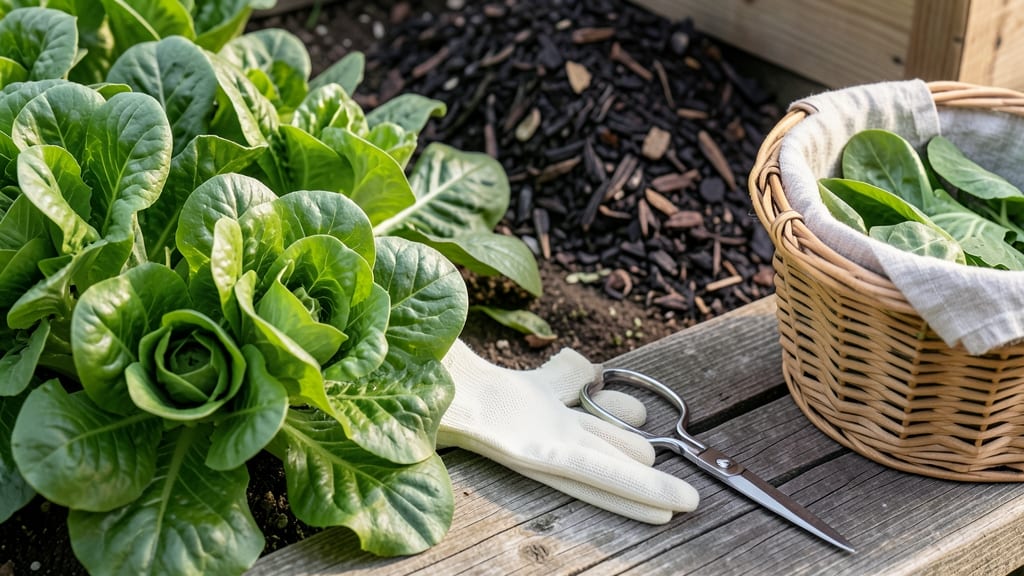
Baby leaf lettuce transforms your garden into a salad bowl in just 3-4 weeks—no sprawling rows needed. 🌱 I learned the hard way that tiny seeds pack a big punch when planted densely, and now my back porch produces enough greens for weekly salads without taking over the yard.
The secret lies in spacing seeds close together, harvesting young leaves, and letting new growth fill the gaps. You’ll need a sunny spot (or bright windowsill), well-draining soil, and a shallow container or garden bed.
Most varieties like 'Black Seeded Simpson' or 'Oakleaf' thrive in cool weather, but baby leaves stay tender even when heat rolls in. The key is consistent moisture—keep soil damp but never soggy—and watch those first leaves emerge in about a week.
By harvesting outer leaves when they’re 2-3 inches tall, you’ll trigger a never-ending supply of fresh greens. The flavor stays crisp, the plants keep producing, and you’ll never again pay $4 for a sad bag of store-bought lettuce. This method works in containers, raised beds, or even old windowsill planters.
Confession: I once killed a batch by overwatering, but now I check soil moisture with my finger before watering—it’s the simplest trick that saves every harvest. Whether you’re growing for salads, sandwiches, or just bragging rights, baby leaf lettuce delivers results that feel impossible to mess up.
📚 In This Guide
- What you need
- Instructions
- Tips and common mistakes
- Wrapping up and next steps
What you need
- ● Seeds: High-quality baby leaf lettuce seeds (e.g., Buttercrunch, Black Seeded Simpson, or Oakleaf varieties). Aim for 1–2 grams (about 500–1,000 seeds) per 10 sq. ft. of growing space.
- ● Growing Containers: Shallow trays (4–6 inches deep) with drainage holes, or
- ● Raised beds (6–12 inches deep) for larger harvests.
- ● Growing Medium: Soil: Lightweight, well-draining potting mix (avoid garden soil—it’s too dense!). Opt for a blend with 30–50% compost for nutrients.
- ○ Optional: Seed-starting mix (sterile and fine-textured) for direct sowing.
- ● Watering Tools: Mister spray bottle (for seedlings), or
- ● Drip irrigation system (for larger setups).
- ● Fertilizer: Balanced organic fertilizer (e.g., 5-5-5 or fish emulsion) or compost tea. Use sparingly—lettuce is sensitive to excess nitrogen!
- ● Harvesting Tools: Sharp scissors or pruning shears (for clean cuts), and
- ● Glass jars or breathable bags (for storage).
- ● Row covers or shade cloth (30–50% shade) to protect from pests or intense sun.
- ● Garden twine and stakes (if growing vertically in containers).
- ● pH test kit (ideal soil pH: 6.0–7.0).
- ● Organic mulch (straw or grass clippings) to retain moisture.
- ● Grow lights (for indoor setups or early spring starts).
Step-by-Step instructions for growing baby leaf lettuce
Here's the simple method I use to grow tender, fast-ready baby leaf lettuce—no fuss, no waiting months.
🌱 Step 1: Prepare Your Growing Space
Choose a location with 4-6 hours of sunlight daily—a sunny windowsill or outdoor bed works. Baby leaf lettuce thrives in cooler weather, so avoid direct midday sun in hot climates. If growing indoors, place near a south-facing window where leaves will get consistent light.
Clear the area of weeds and loosen the top 2 inches of soil with a fork or tines to create a fine, crumbly texture. This helps roots establish quickly. If growing in containers, fill them with well-draining potting mix and moisten lightly until damp but not soggy.
🌱 Step 2: Sow Seeds Directly or Start Indoors
Scatter seeds ¼ inch deep in rows or clusters, spacing them 1 inch apart. I like to sow in small groups of 5-6 seeds to ensure a dense harvest. Gently press them into the soil with your fingers—no need to cover heavily, just enough to hold them in place.
Keep the soil consistently moist by watering lightly every 1-2 days until seedlings emerge. You'll see tiny sprouts in 5-10 days. If growing indoors, place a humidity dome or plastic wrap over the tray to retain moisture until germination. Remove it immediately after sprouts appear to prevent mold.
☀️ Step 3: Thin and Maintain for Fast Growth
When seedlings reach 2 inches tall and have 2-3 true leaves, thin them to 1 inch apart to give each plant room to grow. Use scissors to snip unwanted seedlings at soil level—this prevents disturbing roots and keeps the bed neat. Thinning also reduces competition, so you'll get tender, flavorful leaves instead of tough stems.
Water at the base of plants in the morning to keep soil evenly moist. Avoid overhead watering, which can spread disease. If leaves start to yellow or wilt, check the soil—it’s likely too dry or too wet. Baby leaf lettuce grows best in 50-70°F temperatures, so provide shade cloth if your climate gets too hot.
✂️ Step 4: Harvest in 3-4 Weeks for Peak Flavor
Harvest baby leaves when they reach 3-4 inches tall—this usually takes 3-4 weeks from sowing. Use clean scissors or your fingers to snip the outer leaves first, leaving the inner growth to continue. This method encourages regrowth, so you can harvest the same patch multiple times over 4-6 weeks.
For the best flavor, harvest in the morning when leaves are crisp and hydrated. Rinse gently under cool water, pat dry, and store in a plastic bag in the fridge for up to 5 days. If you notice bitter flavors, your lettuce is getting too mature—harvest sooner next time.
Tips & tricks for perfect baby leaf lettuce
Here's what I learned after growing baby leaf lettuce for years—these tricks make all the difference between floppy, bitter leaves and crisp, flavorful harvests.
The Light Factor: Those 4-6 hours of sunlight are non-negotiable for baby leaf lettuce. If your space gets less, supplement with a grow light 12 inches above the plants for 6-8 hours daily. I've seen seedlings stretch toward weak light and turn leggy—this is your plant's way of begging for more. Position your light so leaves don't touch it (they'll burn instantly), and keep it on a timer to mimic natural daylight cycles.
Seed Spacing Secret: The 1-inch spacing between seeds in Step 2 might seem tight, but it's perfect for baby leaves. When thinning to 1 inch apart later, you'll actually be creating clusters of 4-5 plants per square foot—this gives you that restaurant-quality density. I mark my rows with a stick and string for perfect spacing, especially when sowing in larger beds. Confession: I skipped this once and ended up with sparse, tough leaves.
Thinning Technique: When you're thinning those 2-inch seedlings in Step 3, use sharp scissors to snip at soil level rather than pulling. This prevents disturbing the roots of your kept plants. I like to thin on a cloudy day—the plants handle the stress better than when they're wilting from midday sun. The key is to leave the strongest, healthiest seedlings, not just the biggest ones.
Harvesting Hack: Those 3-4 weeks until harvest fly by, but here's how to stretch your harvest: Cut leaves at a 45-degree angle just above where new growth emerges. This encourages bushier regrowth. I harvest every 7-10 days this way and get 3-4 harvests from one planting. Just avoid cutting more than 1/3 of the plant at once—this keeps your lettuce producing rather than bolting.
Pro Tips for Baby Leaf
- Here's what I learned after growing baby leaf lettuce for years—these tricks make all the difference between floppy, ...
- The Light Factor: Those 4-6 hours of sunlight are non-negotiable for baby leaf lettuce. If your space gets less, supp...
- Seed Spacing Secret: The 1-inch spacing between seeds in Step 2 might seem tight, but it's perfect for baby leaves. W...
Frequently asked questions
Got questions about growing baby leaf lettuce? You’re not alone! Here are some of the most common queries—plus quick, practical answers to help you succeed.
How long does it take for baby leaf lettuce to be ready to harvest?
Baby leaf lettuce is a speedy grower! With the right conditions, you can harvest in just 3–4 weeks from seeding. The key is to keep the soil moist and provide partial shade if temperatures rise above 75°F (24°C). Snip leaves when they’re 3–5 inches tall for tender, flavorful greens.
Why is my baby leaf lettuce bolting (going to seed) before harvest?
Bolting happens when lettuce senses stress—like heat, drought, or long daylight. To prevent it:
- Use shade cloth (30–50%) during hot days.
- Water consistently (1–1.5 inches weekly).
- Choose heat-tolerant varieties like ‘Black Seeded Simpson’ or ‘Jericho.’
Can I grow baby leaf lettuce indoors without a garden?
Use a sunny windowsill, grow lights, or a countertop hydroponic kit. Place seeds in a shallow tray with well-draining soil, keep it moist, and rotate the tray daily for even light. Harvest in 3–4 weeks—no garden required!
How do I succession plant baby leaf lettuce for continuous harvests?
Succession planting ensures a steady supply. Sow new seeds every 2–3 weeks in early spring/fall, or every 1–2 weeks in mild climates. Stagger plantings in small batches (e.g., 10–20 seeds at a time) to avoid overwhelming your space. This works year-round in greenhouses or under row covers.
What are the best alternatives if baby leaf lettuce fails?
If your lettuce struggles, try these low-maintenance, fast-growing greens:
- Arugula: Ready in 3–4 weeks, peppery flavor, heat-tolerant.
- Spinach (‘Baby’s Leaf’): Cold-hardy, harvest in 4–5 weeks.
- Microgreens (radish, broccoli): Harvest in 1–2 weeks with minimal space.
Wrapping up and next steps
Baby leaf lettuce isn’t just a fleeting garden delight—it’s a perennial powerhouse that rewards patience with fresh, crisp harvests year after year! Whether you’re a seasoned gardener or a curious beginner, these four simple steps make it easy to cultivate your own vibrant greens. 🌱
Now that you’re armed with the tools, tips, and troubleshooting tricks, it’s time to roll up your sleeves and get growing! Start small—plant a few seeds or seedlings this weekend—and watch your garden transform into a leafy oasis. Happy harvesting awaits! 🌿✨
Next step: Mark your calendar for planting and check your local frost dates to maximize your baby leaf’s potential. Your first fresh salad is closer than you think!