
Vegetables
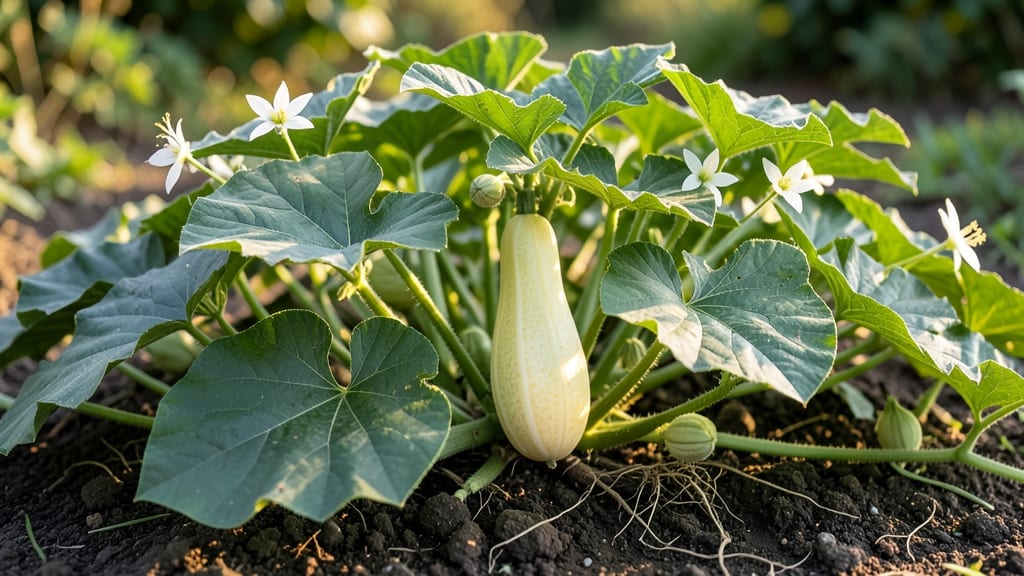
Growing ash gourd winter melon in containers lets you enjoy tropical flavors even in small spaces. 🌿 I've grown this vine for years, and the secret is mimicking its native humidity and warmth—something even beginners can master with the right setup.
This plant thrives in well-draining soil mixed with compost, and it needs full sun (6+ hours daily). Start with seeds or cuttings in 5-gallon containers—they climb fast, so a sturdy trellis is a must. Water moderately, keeping soil moist but never soggy, which prevents root rot.
By midsummer, you'll see glossy, ribbed fruits ready to harvest when firm to the touch. Store them in a cool, dry place for weeks, or use fresh in soups and stir-fries. The vines produce 10+ fruits per plant with proper care.
Watch for powdery mildew in humid climates—space plants for airflow—and aphids, which spray-off water controls. With these tips, your container garden will yield crisp, sweet melons that taste like summer all year.
📚 In This Guide
- What you need
- Instructions
- Tips and common mistakes
- Wrapping up and next steps
What you need
- ● Ash Gourd Seeds or Seedlings: 3–5 seeds (or 1–2 healthy seedlings) per container (5–10 gallon size recommended)
- ● Look for Benincasa hispida or winter melon varieties
- ● Containers: 5–10 gallon pots with drainage holes (1 per vine)
- ○ Optional: Fabric grow bags or raised beds (12" deep minimum)
- ● Growing Medium: Well-draining potting mix (e.g., 60% coconut coir, 20% perlite, 20% compost)
- ○ Optional: Vermiculite or rice hulls for extra aeration
- ● Fertilizer: Balanced organic fertilizer (10-10-10 or 5-5-5 NPK ratio)
- ● Slow-release granules (1 tbsp per pot at planting)
- ○ Optional: Liquid seaweed extract (for foliar boosts)
- ● Support Structure: Trellis, bamboo stakes, or wire cages (4–6 ft tall for vines)
- ● Tools: Pruning shears (for trimming vines)
- ● Garden trowel (for transplanting)
- ● Watering can or hose with gentle nozzle
- ● Climate: Warm-season crop (75–90°F / 24–32°C). Start seeds indoors 4–6 weeks before last frost or plant after soil warms.
- ● Sunlight: Full sun (6–8+ hours daily). Containers may need rotation for even exposure.
- ● Watering: Consistent moisture (1–1.5 inches per week). Drought stress reduces fruit quality!
- ● Patience: Mature vines take 4–6 months to bear fruit. 🐢
Step-by-Step instructions for cultivating ash gourd winter melon in containers
Here’s how to coax this delicate tropical vine into a bountiful harvest—even in limited space.
🌱 Step 1: Prepare Containers and Soil for Optimal Growth
Winter melon thrives in large, sturdy containers with at least 15 gallons capacity to accommodate sprawling roots. I opt for fabric grow bags because they allow roots to breathe while preventing soil compaction. Ensure each container has multiple drainage holes—waterlogged roots will rot before the vine produces fruit.
Fill the bottom third with a well-draining mix (I blend 2 parts coconut coir with 1 part perlite and 1 part orchid bark). This prevents soggy soil while mimicking the vine’s native tropical conditions. Top with 3 inches of premium potting mix enriched with composted leaf mold—winter melon loves nutrient-rich, slightly acidic soil.
🌿 Step 2: Plant Seeds or Transplants at the Right Time
Winter melon seeds germinate best in warm soil (maintain 75–85°F using a seedling heat mat if needed). Plant 2–3 seeds per container at a depth of ½ inch, spacing them 6 inches apart to avoid overcrowding. If using transplants, choose 4–6 week-old seedlings with 2–3 true leaves—they’ll establish faster than seeds.
Here’s the thing—winter melon hates disturbance. Once seeds sprout (in 7–14 days), thin to the strongest seedling and support it immediately with a 5-foot bamboo stake or trellis. The vine will twine aggressively, so secure the stake firmly before growth explodes. Water gently after planting to settle the soil around roots.
☀️ Step 3: Provide Full Sun and Controlled Humidity
Winter melon demands 6–8 hours of direct sunlight daily—a south-facing window or grow lights (14–16 hours) are non-negotiable. Place containers where they’ll receive morning sun to prevent leaf scorch. If humidity drops below 50%, mist leaves daily or use a pebble tray beneath pots to increase ambient moisture.
Watch for yellowing leaves—this usually means overwatering or nutrient deficiency. Winter melon prefers even moisture, so water deeply every 2–3 days until top 2 inches of soil feel dry. Fertilize every 2 weeks with a balanced liquid fertilizer (10-10-10) diluted to half strength. Too much nitrogen = lush leaves, no fruit.
✂️ Step 4: Prune and Train for Maximum Fruit Production
When vines reach 3–4 feet, prune side shoots to encourage main stem growth—this directs energy toward fruit development. I pinch back new growth at the first 5 leaves to promote bushier, stronger vines. Remove any yellowed or diseased leaves immediately to prevent fungal spread.
Train the main vine along the trellis, securing it with soft plant ties every 12 inches. Winter melon’s large, waxy leaves can weigh down stems, so support is critical. Once flowers appear (after 8–10 weeks), hand-pollinate with a small paintbrush to ensure fruit set—humidity in containers can deter natural pollinators.
🍈 Step 5: Harvest and Store for Long-Term Use
Winter melon fruits are ready when their skin turns pale green and rind hardens (test by pressing lightly—it should feel firm, not soft). Harvest with pruning shears, leaving ½ inch of stem attached. Expect 4–6 fruits per vine if cared for properly. Store in a cool, dry place (55–65°F) for 3–6 months—they’ll sweeten over time!
Don’t skip the first harvest—if left too long, fruits become woody and lose flavor. Slice open a mature melon to check: seeds should be fully formed, and the flesh translucent. Save seeds for next year’s crop—they’re viable for 2–3 years if stored in a paper envelope in the fridge.
Tips & tricks for cultivating ash gourd winter melon in containers
Common pitfalls—and how to sidestep every one when growing this tropical vine in limited space.
Container Size Matters: The 15-gallon minimum isn't just a suggestion—it's non-negotiable for winter melon's sprawling roots. I've seen growers use smaller pots and end up with stunted plants or root-bound vines. If you're working with limited space, opt for fabric grow bags—they expand as roots grow and prevent soil compaction that can strangle root development. Place containers on casters so you can rotate them toward sunlight throughout the day.
Soil Temperature Secret: Maintaining that 75–85°F range for germination is trickier than it sounds, especially in cooler climates. I've had the best success using a seedling heat mat beneath containers during the day and wrapping them in insulating bubble wrap at night. For transplants, bury a small thermometer in the soil to monitor temperature—cold soil below 70°F will stall growth completely. Pro tip: Pre-warm your soil mix in the microwave for 30 seconds before planting to kickstart germination.
Pruning Strategy: When you reach Step 4 and start pruning side shoots at 3–4 feet, resist the urge to go overboard. I learned this the hard way—over-pruning stresses the vine and can delay fruit production. Focus on removing only the smaller side shoots while keeping the main stem vigorous. The first 5 leaves are your guide: pinch back just above the fifth leaf node to encourage branching. Use sharp, sterilized pruners to avoid introducing pathogens through cuts.
Pollination Hack: Hand-pollination after 8–10 weeks can feel tedious, but it's absolutely critical for fruit set in container-grown winter melon. I've found that using a small paintbrush isn't the only method—you can also gently shake the vines near flowers in the early morning when humidity is high. For even better results, place containers near a window where bees can visit naturally, but still supplement with hand-pollination every 2–3 days during flowering.
Pro Tips for Ash Gourd Winter Melon
- Common pitfalls—and how to sidestep every one when growing this tropical vine in limited space.
- Container Size Matters: The 15-gallon minimum isn't just a suggestion—it's non-negotiable for winter melon's sprawling roots.
- Soil Temperature Secret: Maintaining that 75–85°F range for germination is trickier than it sounds, especially in cooler climates.
Frequently asked questions
Got questions about growing ash gourd (winter melon)? You’re not alone! Here are answers to the most common queries to help you cultivate this tropical vine with confidence.
How long does it take for ash gourd to bear fruit?
Ash gourd vines typically take 80–120 days to mature and produce fruit, depending on climate and growing conditions. In warmer regions, you may see fruits as early as 3–4 months after planting. Patience is key—these vines thrive with time!
Can winter melon grow in cold climates?
While ash gourd prefers warmth (70–85°F), you can grow it in cooler areas by:
- Starting seeds indoors 4–6 weeks before the last frost.
- Using black plastic mulch to warm the soil.
- Planting in containers that can be moved indoors during cold snaps.
What’s the best way to harvest ash gourd?
Harvest when the fruit is firm, green, and about 6–12 inches long. Use pruning shears or a sharp knife to avoid damaging the vine. Pro tip: Gently twist while cutting to detach cleanly. Overripe melons turn yellow and become seedy—aim for peak crispness!
Are there any common pests or diseases to watch for?
Ash gourds face similar threats as cucumbers:
- Pests: Cucumber beetles, aphids, and spider mites. Use neem oil or insecticidal soap.
- Diseases: Powdery mildew (prevent with good airflow) and bacterial wilt (remove infected plants immediately).
What can I do if my ash gourd flowers but doesn’t fruit?
If your vine flowers but no fruit sets, try these fixes:
- Hand-pollinate flowers with a soft brush (ash gourds are self-pollinating but sometimes need help).
- Ensure consistent warmth (above 70°F)—cold temps can halt pollination.
- Check for pesticides (even organic ones) that may harm pollinators like bees.
Wrapping up and next steps
Growing ash gourd (winter melon) in containers is a rewarding way to enjoy this tropical vine’s sweet, hydrating fruits—even with limited space! 🌱 With the right mix of sunlight, well-draining soil, and patience, you’ll soon be harvesting crisp, nutrient-packed melons.
Whether you’re a beginner or a seasoned gardener, this versatile plant offers low-maintenance care and high rewards—perfect for urban gardens or balconies.
Ready to dive in? Start by gathering your supplies, choose a sunny spot, and plant your seeds or seedlings this season. Your future harvest is just a few steps away! 🌟