
Vegetables
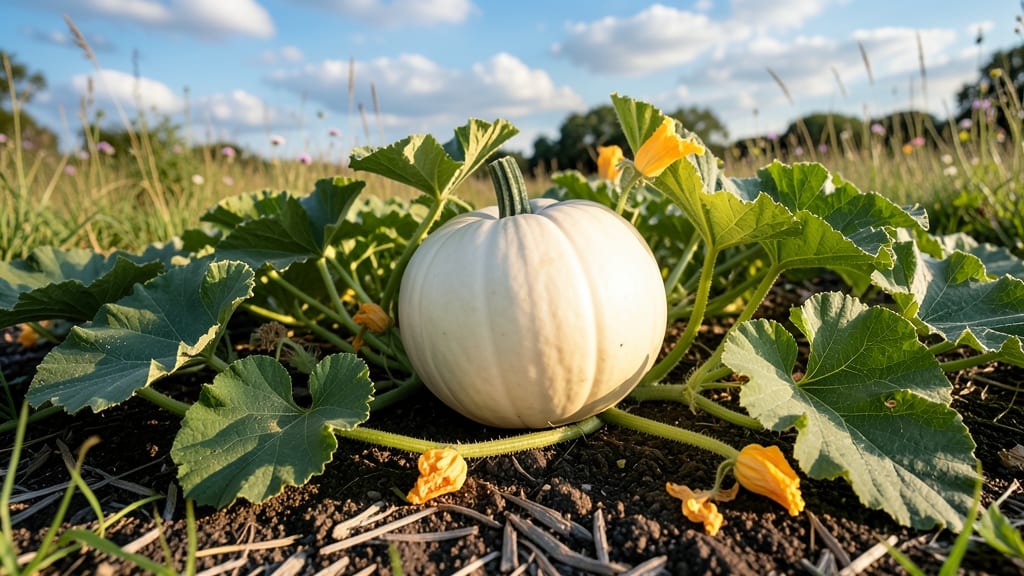
White pumpkins are there—they’re stunning, versatile plants like 'Casper' or 'Ghost' varieties that grow just like their orange cousins but with a ghostly elegance. 🌱 I’ve grown them for years, and they’re perfect for both fall decor and savory dishes, with a sweet, nutty flavor that rivals traditional pumpkins.
These pumpkins thrive in full sun and well-draining soil, just like other varieties, but their pale hues make them stand out in gardens and on tables. You’ll find seeds from specialty seed companies or online nurseries, and they mature in about 90-100 days, just like regular pumpkins.
The harvest isn’t just for looks—you can roast their seeds, bake them into pies, or even carve them for a unique centerpiece. Their thick rinds hold up well, so they’re great for long-term storage too.
Whether you’re growing them for culinary experiments or just love their ethereal beauty, white pumpkins add a fresh twist to any garden. Ready to try them?
📚 In This Guide
- What you need
- Instructions
- Tips and common mistakes
- Wrapping up and next steps
What you need
- ● Seeds: White pumpkin seeds (e.g., Cucurbita pepo varieties like 'White Ghost' or 'Jack Be Little'). Quantity: 3–5 seeds per plant (start with 5–10 seeds total for a small harvest).
- ● Growing Medium: Well-draining potting mix (for containers) or loamy garden soil (pH 6.0–6.8). Quantity: 1–2 cubic feet per plant.
- ● Compost or aged manure (1–2 cups per planting hole) for nutrients.
- ○ Containers (Optional but Helpful): 5-gallon fabric grow bags or plastic pots (with drainage holes) for small spaces. Size: 12–18 inches deep.
- ○ Black plastic mulch (3–5 feet wide) to retain heat and moisture (optional but recommended).
- ● Watering Supplies: Watering can or drip irrigation system (for consistent moisture).
- ● pH test kit (to monitor soil acidity).
- ● Fertilizer: Balanced organic fertilizer (e.g., 5-5-5 or 10-10-10) or compost tea (apply every 2–3 weeks).
- ● Calcium supplement (e.g., crushed eggshells or lime) to prevent blossom-end rot.
- ● Climate: White pumpkins thrive in warm seasons (70–90°F). Start seeds indoors 2–3 weeks before the last frost if your zone is below 5.
- ● Sunlight: Full sun (6–8+ hours daily). Use a grow light for indoor starts if needed.
- ● Space: Vines spread 6–10 feet. Allocate 2–3 square feet per plant or train vines on a trellis.
- ● Patience: White pumpkins take 80–120 days to mature—plan ahead for a fall harvest!
- ● Row covers (to protect seedlings from pests or cold snaps).
- ● Pruning shears (to trim excess vines and encourage fruit growth).
- ● Pollination aid (e.g., a small paintbrush) if growing indoors or in poor weather.
- ● Storage containers (burlap sacks or cardboard boxes) for curing harvested pumpkins.
How to grow and maintain white pumpkins for year-round beauty
White pumpkins aren't just a seasonal curiosity—they're stunning, versatile, and perfect for extending your garden's appeal.
🌱 Step 1: Select the Right White Pumpkin Varieties
Not all pumpkins are created equal when it comes to color. For true white pumpkins, opt for varieties like 'White Ghost,' 'Casper,' or 'White Pumpkin.' These heirloom types produce creamy white fruits that mature to 10-20 pounds and boast smooth, ribbed exteriors. Avoid orange pumpkins—even white-fleshed types like 'Jack Be Little' won't give you the striking white rind you're after.
Buy seeds from reputable growers specializing in heirloom varieties. I always check reviews for notes on disease resistance—white pumpkins can be more susceptible to powdery mildew due to their lighter pigment. Start with 4-5 plants to ensure you get at least a few perfect specimens.
☀️ Step 2: Plant in Full Sun with Rich, Well-Draining Soil
White pumpkins need 6-8 hours of direct sunlight daily to develop their signature color and size. Choose a location with morning sun exposure—this prevents the rinds from turning yellowish over time. Amend your soil with 2-3 inches of compost before planting to ensure nutrients are available for their long growing season.
Test your soil's pH—white pumpkins thrive in slightly acidic to neutral soil (pH 6.0-6.8). If your soil is heavy clay or sandy, mix in 1 part peat moss or coconut coir to improve drainage and moisture retention. Plant seeds 1 inch deep, spacing them 4-5 feet apart to give vines room to sprawl.
💧 Step 3: Water Deeply and Mulch to Retain Moisture
Consistent moisture is critical for white pumpkins—too little water causes uneven coloring and poor growth. Water deeply 2-3 times per week, aiming for 1-2 inches of water per week. Use a soaker hose or drip irrigation to deliver water at the base of plants, avoiding wet foliage which invites fungal diseases.
Apply 3-4 inches of straw mulch around plants once vines start running. This keeps soil cool, retains moisture, and suppresses weeds. Check soil moisture by sticking your finger 2 inches deep—if it feels dry, it's time to water again. White pumpkins are more prone to cracking if moisture fluctuates wildly.
✂️ Step 4: Prune and Train Vines for Optimal Growth
White pumpkins produce long, sprawling vines that can reach 10-15 feet. To manage growth and improve air circulation, prune side shoots that emerge within 12 inches of the main stem. Remove any leaves showing signs of yellowing or powdery mildew immediately—this prevents the disease from spreading to healthy foliage.
Train the main vine along a trellis or use a sling made from old T-shirts to lift the heaviest pumpkins off the ground. This prevents rot and makes harvesting easier. I always leave 3-4 female flowers per vine—these are the ones with tiny pumpkins at their base. Pollinate by hand if bees are scarce, gently rubbing stamens from male flowers onto female flowers.
🪴 Step 5: Harvest and Store for Year-Round Use
White pumpkins are ready to harvest when their rinds harden and turn a dull, matte white. Tap the fruit—if it sounds hollow, it's ripe. Use clean pruners to cut stems, leaving 2-3 inches of stem attached to help the pumpkin cure properly. Harvest on a dry day to prevent rot during storage.
Cure pumpkins in a dry, shaded area with good air circulation for 10-14 days. This hardens the skin and improves shelf life. Once cured, store in a cool (50-55°F), dark place where they'll keep for 2-3 months. For longer storage, carve or cook them before the first frost—white pumpkins are more sensitive to cold than orange varieties.
Tips & tricks for perfect white pumpkin cultivation
Between us, growing white pumpkins successfully comes down to these key details that most gardeners overlook.
Variety Selection Matters: The 'White Ghost' and 'Casper' varieties are your best bets for that pristine white rind, but here's what nobody tells you—these heirloom seeds can be pricey. I've found that buying from specialty seed banks (like Baker Creek Heirloom Seeds) guarantees true white color, while cheaper seeds might produce pale orange fruits. Start with just 4-5 plants to test your growing conditions before committing to larger quantities.
Sunlight Strategy: Those 6-8 hours of direct sunlight aren't just about growth—they're critical for maintaining that signature white color. I've seen pumpkins turn yellowish when exposed to afternoon sun, so position your plants to catch morning sunlight primarily. A simple trick: plant them slightly north of your usual vegetable garden to avoid that harsh afternoon glare that can bleach the rind.
Moisture Management: The 2-3 waterings per week need to be consistent—fluctuations cause cracking. I use a moisture meter in my garden (around $20) to check soil moisture at 2 inches deep. When it reads dry, that's your watering cue. For the mulch layer, I've found that black plastic mulch actually works better than straw—it warms the soil and suppresses weeds while retaining moisture more effectively.
Pruning and Pollination: Leave those 3-4 female flowers per vine, but here's my secret: I remove any male flowers that appear after the first female sets fruit. This directs the plant's energy toward fewer, larger pumpkins. For pollination, I've had success with a small paintbrush to transfer pollen when bees are scarce—just brush the stamens of male flowers onto the female flowers in the morning when they're fresh.
Pro Tips for Are There White Pumpkins
- Between us, growing white pumpkins successfully comes down to these key details that most gardeners overlook.
- Variety Selection Matters: The 'White Ghost' and 'Casper' varieties are your best bets for that pristine white rind, ...
- Sunlight Strategy: Those 6-8 hours of direct sunlight aren't just about growth—they're critical for maintaining that ...
Frequently asked questions
about white pumpkins—because growing these unique gourds comes with its own set of curiosities! Whether you're a first-time gardener or a seasoned pro, these answers will help you navigate the world of perennial white pumpkins with confidence.Are white pumpkins hard to grow compared to orange ones?
Not at all! White pumpkins thrive under the same conditions as their orange cousins—they just need full sun (6–8 hours daily), well-draining soil, and consistent watering. The key difference? Some varieties (like Casper or White Ghost) grow larger and may need more space. Start with disease-resistant seeds or seedlings to avoid common issues like powdery mildew.
How long does it take for white pumpkins to mature?
Most white pumpkin varieties mature in 90–120 days, depending on the type and climate. Smaller varieties (e.g., Baby Boo) may be ready in as little as 70 days, while giant types (like Atlantic Giant) can take up to 150 days. Check seed packets for specific timelines—patience is key!
Can you eat white pumpkins, or are they just for decoration?
White pumpkins are edible and packed with nutrients like vitamin A, potassium, and fiber—just like orange ones. Their mild, slightly sweet flavor makes them perfect for soups, pies, roasted seeds, or even carving. Pro tip: Peel before cooking to remove any bitterness.
What’s the best way to overwinter white pumpkins for perennial harvests?
To encourage regrowth, cut back vines in late fall but leave the roots intact. Mulch heavily with straw or leaves to insulate them over winter. In spring, trim dead foliage and fertilize lightly. Some varieties (like Cinderella) may resprout, but expect smaller yields. Note: Not all white pumpkins are true perennials—check your variety!
Why are my white pumpkin leaves turning yellow or spotted?
Yellowing leaves often signal overwatering, nutrient deficiency, or disease. For spots (like brown patches), powdery mildew or bacterial infections could be the culprit. Fix it:
- Improve drainage if soil is soggy.
- Apply neem oil or copper fungicide for mildew.
- Rotate crops next season to prevent soil-borne issues.
If leaves are crispy, it might be underwatering—keep soil moist but not waterlogged!
Are there any white pumpkin varieties that don’t need much space?
Yes! If you’re short on garden real estate, try Baby Boo (compact, 4–6" pumpkins) or Jack Be Little (mini white varieties). These thrive in containers or small plots. Just ensure they get full sun and stake them if needed—they’re lightweight but can sprawl!
Pro Tip: Want to extend your harvest? Plant white pumpkins in successive waves (every 2–3 weeks) for a staggered crop. This works especially well in warm climates!
Wrapping up and next steps
So, yes—white pumpkins do exist! 🎃 Whether you’re growing them for their striking appearance, culinary versatility, or year-round harvest potential, these unique gourds prove that pumpkins come in more than just orange. With the right perennial care, you can enjoy their beauty and bounty well beyond the fall season.
Ready to try your hand at growing white pumpkins? Start small—plant a few seeds this spring and experiment with the tips we’ve shared. Who knows? You might just discover a new favorite variety for your garden and your kitchen! 🌱