
Vegetables
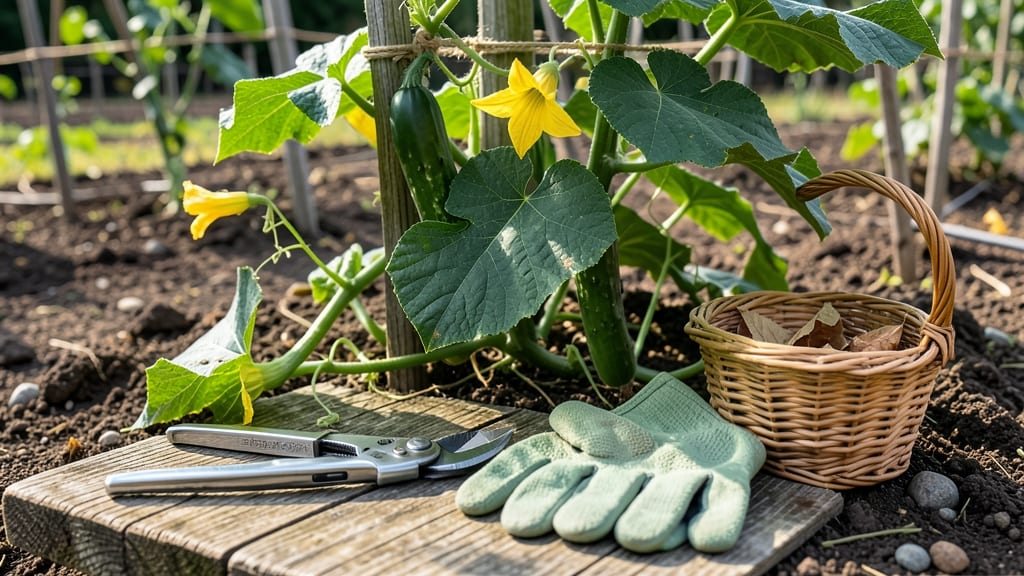
Growing 8-inch cucumbers means no more sprawling vines stealing your garden real estate—just compact plants that deliver crisp, sweet cucumbers perfect for snacking or salads. 🌱 I’ve grown these space-saving varieties for years, and they’ve never disappointed, producing 20-30 cucumbers per plant in just 60 days.
The secret lies in choosing the right variety—Bush Champion or Little Leaf are my top picks—and giving them the right support. A simple 3-foot trellis or small cage keeps vines tidy while improving air circulation, cutting down on pests and diseases.
You’ll also need well-draining soil and at least 6 hours of sunlight daily, whether planted in-ground or in containers. Once established, these cucumbers thrive with consistent moisture (about 1 inch per week) and a light feeding of balanced fertilizer every 3-4 weeks.
The real magic happens when you harvest regularly—picking cucumbers at 6-8 inches encourages more production and keeps flavors crisp. Perfect for balconies, small yards, or even windowsills with the right setup. Let’s get those compact vines growing!
📚 In This Guide
- What you need
- Instructions
- Tips and common mistakes
- Wrapping up and next steps
What you need
- ● Seeds or seedlings: Choose a compact or bush variety like 'Bush Champion,' 'Spacemaster,' or 'Eight Ball' cucumbers (5–10 seeds or 3–5 seedlings).
- ● Containers or garden space: Containers: 5-gallon buckets or fabric grow bags (1 per plant, with drainage holes).
- ● Garden beds: Well-draining soil in a sunny spot (6+ hours of light daily).
- ● Potting mix: High-quality, sterile soil blend (avoid garden soil—it may harbor diseases). Quantity: 1–2 bags (1.5–2 cubic feet).
- ● Fertilizer: Balanced organic fertilizer (e.g., 10-10-10) or compost (1 tbsp per plant at planting).
- ○ Slow-release granular fertilizer (optional, for nutrient boosts mid-season).
- ○ Trellis or cage (optional but recommended): 3–4 ft tall stake, wire trellis, or tomato cage (to support vines and improve airflow).
- ● Basic gardening tools: Trowel or small shovel (for transplanting).
- ● Watering can or hose with a gentle nozzle.
- ● Pruning shears (for trimming excess vines or yellow leaves).
- ○ Mulch (optional): Straw or shredded leaves (to retain moisture and suppress weeds).
- ○ Row cover or shade cloth (optional): Lightweight fabric to protect seedlings from pests or harsh sun.
- ● Knowledge: Basic understanding of watering schedules (consistent moisture is key!) and pest prevention.
Step-by-step guide to growing compact 8-Inch cucumbers
Here’s how to cultivate space-saving cucumber vines that thrive in containers or small gardens.
🌱 Step 1: Select the Right Variety and Prepare Containers
Choose a compact bush variety like 'Bush Champion' or 'Spacemaster'—these stay under 8 inches tall while producing plenty of fruit. You’ll need one 5-gallon container per plant (or 4-inch-deep raised beds). Fill the bottom third with gravel or broken pottery for drainage—this prevents soggy roots, which cucumbers hate.
Use a lightweight potting mix with added compost (I blend 60% potting mix and 40% compost). Press it down gently in the container so it’s firm but not packed. The goal is a mix that holds moisture but drains freely—cucumbers need consistent dampness but won’t tolerate waterlogged soil.
🌿 Step 2: Plant Seeds or Transplants at the Right Time
Start seeds indoors 2-3 weeks before your last frost date, or buy 4-inch transplants from a nursery. Plant one seed per container at a depth of ½ inch—deeper planting slows germination. If using transplants, bury them up to their first true leaves to encourage strong root growth.
Place containers in a warm spot (70-80°F) until germination. Keep the soil evenly moist (not soggy) and expect sprouts in 5-10 days. Thin to the strongest seedling if multiple sprout—crowding leads to weak, disease-prone plants.
☀️ Step 3: Provide Support and Optimal Light
Cucumbers need full sun (6+ hours daily) to produce fruit. If growing in containers, place them where they’ll get morning sun and afternoon shade in hot climates—this prevents scorching. Install a small trellis or cage (even a DIY wire frame) as soon as seedlings show 2-3 true leaves.
Train vines to climb by gently weaving them through the support. This saves space and improves airflow, reducing fungal diseases. Watch for yellowing leaves—a sign of too much shade or thirst. Water at the base early in the morning to keep foliage dry and prevent mildew.
💧 Step 4: Water and Fertilize for Maximum Yield
Cucumbers need 1-2 inches of water weekly, but check soil daily—top inch dry is your cue to water. Use a drip irrigation system or water at the base to avoid wetting leaves. Overhead watering spreads disease, and cucumbers are notorious for powdery mildew.
Feed plants every 2 weeks with a balanced liquid fertilizer (10-10-10) once flowers appear. I also sprinkle compost tea around the base monthly for extra nutrients. Stop fertilizing 2 weeks before harvest—too much nitrogen makes fruit bitter.
✂️ Step 5: Harvest and Prune for Continuous Production
Pick cucumbers when they’re 6-8 inches long (check your variety’s ideal size). Use clean pruners to snip stems—this encourages more fruit to develop. Harvest every 2-3 days to prevent overripe fruit from sapping plant energy.
Prune yellow or diseased leaves immediately to redirect energy to healthy growth. If vines get leggy, pinch back the tips to promote bushier growth. With compact varieties, you’ll get 2-3 harvests per plant before the season ends—just keep up with care!
Tips & tricks for growing compact 8-Inch cucumbers
Here's what I've learned from years of growing compact cucumbers—these tricks make all the difference between a struggling plant and a thriving vine.
Variety Selection Matters: While 'Bush Champion' and 'Spacemaster' are excellent choices, don't overlook 'Patio Snacker' or 'Minnesota Crisp' for even more compact growth. These varieties specifically breed for container growing, so their roots stay contained and they produce fruit without sprawling. I've found that bush types actually produce slightly earlier than vining varieties in containers.
Container Depth is Critical: That 5-gallon container requirement isn't arbitrary—deeper containers allow roots to establish better, which translates to more vigorous plants. If using raised beds, ensure they're at least 4 inches deep. I've seen shallow containers lead to root-bound plants that produce fewer cucumbers. For extra insurance, add 2 inches of compost to the bottom before your potting mix.
Germination Temperature Tip: Those 70-80°F germination temps are ideal, but if your home runs cooler, consider using a seedling heat mat. I've had seeds take 14 days to sprout in 65°F conditions versus 5-10 days at the optimal temperature. The difference in growth speed is dramatic—you'll see stronger seedlings that catch up faster.
Support System Strategy: Install your trellis or cage right when you see those first 2-3 true leaves, not after the plant gets established. I've learned this the hard way—waiting too long means the plant gets leggy trying to find support on its own. For containers, a simple wire frame wrapped with twine works perfectly and costs almost nothing to make.
Pro Tips for 8 Inch Cucumber
- Here's what I've learned from years of growing compact cucumbers—these tricks make all the difference between a struggling plant and a thriving vine.
- Variety Selection Matters: While 'Bush Champion' and 'Spacemaster' are excellent choices, don't overlook 'Patio Snacker' or 'Minnesota Crisp' for even more compact growth.
- Container Depth is Critical: That 5-gallon container requirement isn't arbitrary—deeper containers allow roots to establish better, which translates to more vigorous plants.
Frequently asked questions
Got questions about growing and enjoying your 8-inch cucumbers? You’re not alone!
Here are some of the most common queries—and their practical answers—to help you grow like a pro.
How long does it take for an 8-inch cucumber to grow?
With the right care, you can expect to harvest your first 8-inch cucumbers in 45–60 days after planting, depending on your climate and variety. Compact vines (like ‘Eight Ball’ or ‘Bush Champion’) often mature faster than traditional vining types. Monitor for blooms—when flowers appear, check daily for fruit!
Why are my cucumbers growing too fast or staying small?
Fast growth? Overwatering or excess nitrogen (from fertilizer) can cause bolting (rapid, bitter cucumbers). Small cucumbers? They might need more sunlight (6–8 hours/day) or hand pollination (gently shake vines or use a paintbrush to transfer pollen). Thin fruit early to avoid overcrowding—aim for 1–2 cucumbers per node.
Can I grow 8-inch cucumbers in containers or small spaces?
Compact varieties thrive in 5-gallon containers or raised beds (minimum 12–18 inches deep). Use a trellis or cage to save space and improve airflow. Just ensure the pot has drainage holes and you’re using lightweight potting mix. Balconies, patios, and even windowsills (with grow lights) work!
What’s the best way to store harvested 8-inch cucumbers?
Store them unwashed and stem-on in the fridge (crisper drawer) for 7–10 days. For longer shelf life, wrap stems in plastic wrap before refrigerating. Avoid cutting until ready to use—exposed flesh oxidizes quickly. Need to preserve them? Try pickling, fermenting, or freezing (peeled and sliced)!
Are there alternatives to traditional 8-inch cucumbers?
Yes! Try these space-saving varieties:
- ‘Lemon Cucumber’ – Small, crisp, and great for snacking.
- ‘Spacemaster’ – Disease-resistant and compact.
- ‘Bush Champion’ – Classic 8-inch size, perfect for containers.
- ‘Sweet Success’ – Sweet, seedless, and early-maturing.
What should I do if my cucumbers develop yellow spots or wilt?
Yellow spots often signal powdery mildew or bacterial infections. Remove affected leaves immediately and treat with:
- A baking soda spray (1 tsp baking soda + 1 quart water + drop of soap).
- Neem oil (fungicide/fungistat).
- Ensure good airflow (prune crowded vines).
Wrapping up and next steps
Growing an 8-inch cucumber is a rewarding journey that brings fresh, homegrown goodness to your table with minimal space! Whether you’re a beginner or a seasoned gardener, these compact vines prove that big harvests don’t require big yards—just the right techniques and a little patience. 🌱
Now that you’re armed with the materials, tips, and answers to common questions, it’s time to roll up your sleeves and get planting. Start small, stay consistent, and soon you’ll be enjoying crisp, vine-ripened cucumbers straight from your garden. Happy growing!